


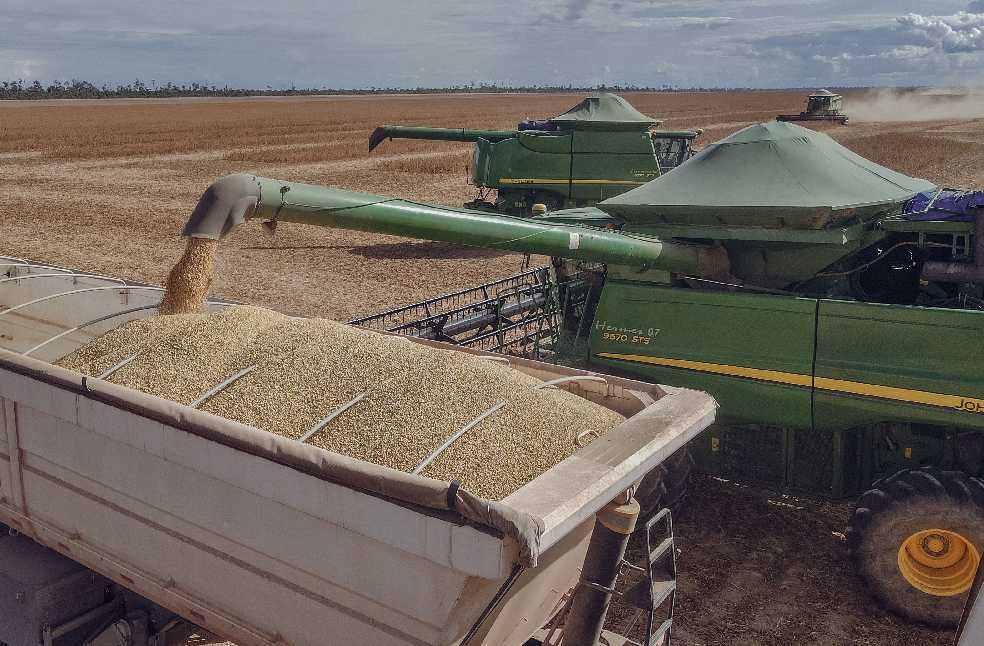
Paris: The United Nations Food and Agriculture Organization (FAO) has reported that world food prices rose to their highest level in nearly four years in September as weather concerns and logistics disruptions affected international crop markets.
The FAO Food Price Index averaged 136.0 points in September. The figure was up from a revised 134.0 points in August and marked the highest reading since November 2022. The index tracks monthly changes in international prices for a basket of major food commodities.
Prices for cereals, sugar and vegetable oils all increased during September. Meat and dairy prices moved lower during the month. The changes reflected differing supply conditions across major food commodity markets.
Weather risks added pressure to some markets. Concerns over a severe El Nino weather pattern have pushed international sugar prices to an 18-month high. The weather pattern raises concerns over crop conditions and supply prospects.
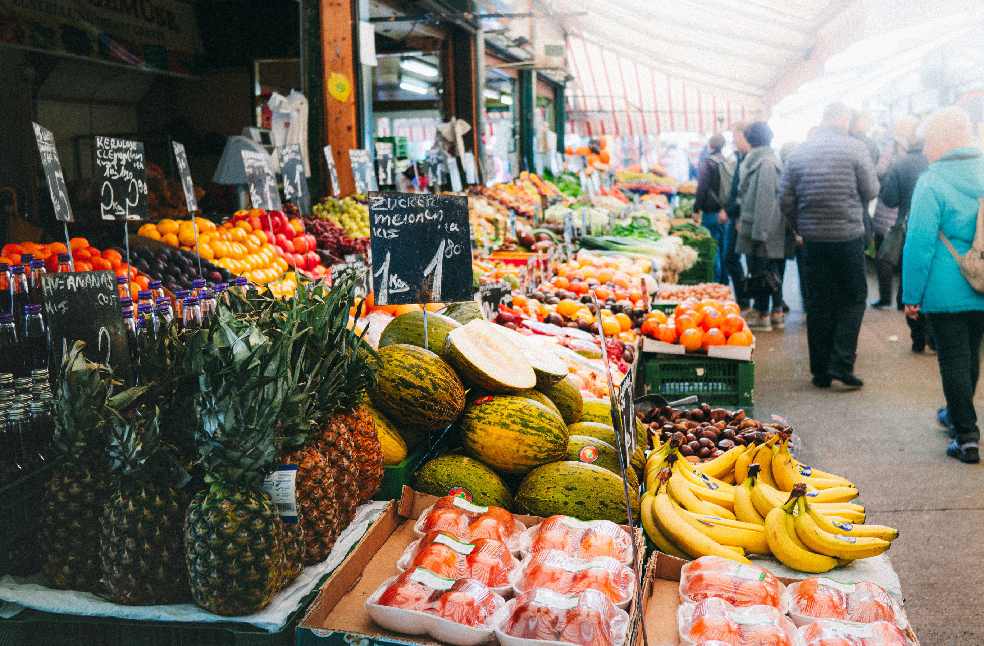
Wheat markets also faced pressure from disruptions to Black Sea trade. A war-related collapse in Black Sea trade pushed wheat futures to a three-year peak early in September. Constrained shipping routes also continued to affect expectations for wheat and maize exports.
In a separate outlook, FAO has kept its forecast for global cereal production in 2026 almost unchanged at 2.979 billion metric tons. The forecast is 2.1 percent below the record level reached in the previous year. However, the projected harvest would still rank as the second-largest on record.
FAO also lowered its forecast for global cereal trade in the 2026/27 period by 0.7 percent compared with the September estimate. The reduction is largely linked to lower expectations for wheat and maize exports.
The latest projections point to continued pressure on global cereal trade as shipping constraints in the Black Sea limit export flows. At the same time, weather risks are influencing prices for key commodities such as sugar.
TRENDING | Pakistan carries out fresh air strikes across Afghanistan
