


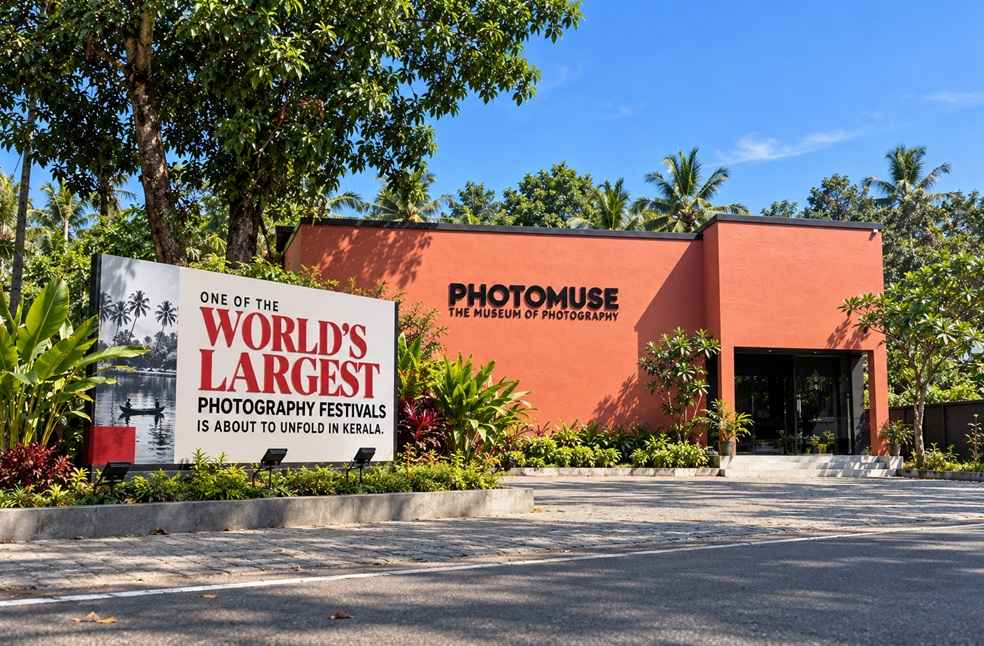
A 122-day international photography festival opens in Kerala on 2 October, with organisers bringing exhibitions, archives, museums and educational programmes together across more than 25 venues.
The PhotoMuse Festival of Photography 2026, or PFP, is scheduled to run until 31 January 2027 and is built around the bicentenary of photography, tracing what organisers describe as the medium’s 200-year journey.
The programme confirmed at the time of opening includes more than 490 photo-artists, over 1,530 photographs, more than 70 exhibitions, seven international festival collaborations, four museums, 11 documentaries and over 30 school and college programmes. Photographic works and participants from 31 countries are represented.
A report published on 1 October also confirmed the 122-day schedule, more than 25 venues, 31-country participation and the headline programme figures.
Programme spans 31 countries
International participation forms a substantial part of the festival, with seven festival collaborations linking the programme to photography communities outside India.
The international component sits alongside exhibitions and programmes examining India’s own photographic record, including images connected with political history, journalism, cities, villages, cultural traditions and everyday life.
The festival is therefore being organised not simply as a sequence of international exhibitions, but as an exchange between different photographic histories and practices.
PhotoMuse’s official material describes the festival as bringing together national and international photographers, students, enthusiasts and wider audiences, alongside seminars and lectures on the history and practice of photography.

Archives and museums
Four museums are involved in the wider programme: PhotoMuse – The Museum of Photography, Museo Camera, Kerala History Museum and Art Museum of Love.
PhotoMuse is the host and organiser, with the other institutions participating as collaborating museums.
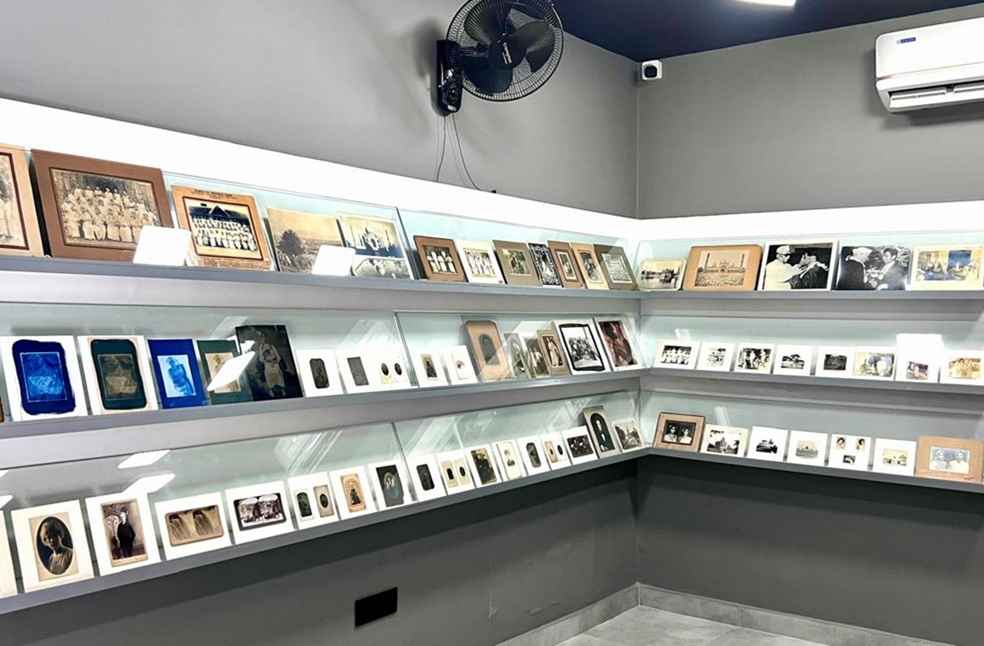
A major element of the festival is PhotoMuse’s collection of 16,742 archival photographic objects.
The archive is intended to place contemporary photography alongside historical material, extending the programme beyond new work to questions of preservation, documentation and visual memory.
PhotoMuse describes itself as a public museum dedicated to the art, history and science of photography, with educational and archival work forming part of its wider institutional activity.
Beyond gallery exhibitions
The programme extends beyond conventional exhibitions.
It includes documentary screenings, talks, seminars, academic discussions, performances, publications and educational activities. More than 30 school and college programmes are planned, while libraries, film societies, cultural organisations, photographers and artists are also involved.
This reflects the festival’s broader treatment of photography as a medium that has developed through journalism, education, archives, science, public life and community documentation, rather than solely through galleries and museums.
The programme also includes material examining photography’s role in science and technology, including medical imaging, astronomy and space photography.
Gandhi and visual history
The festival opens on 2 October, Gandhi Jayanti. Its main public programme is scheduled to culminate on 30 January 2027, Gandhi’s Martyrdom Day, before the overall festival concludes on 31 January.
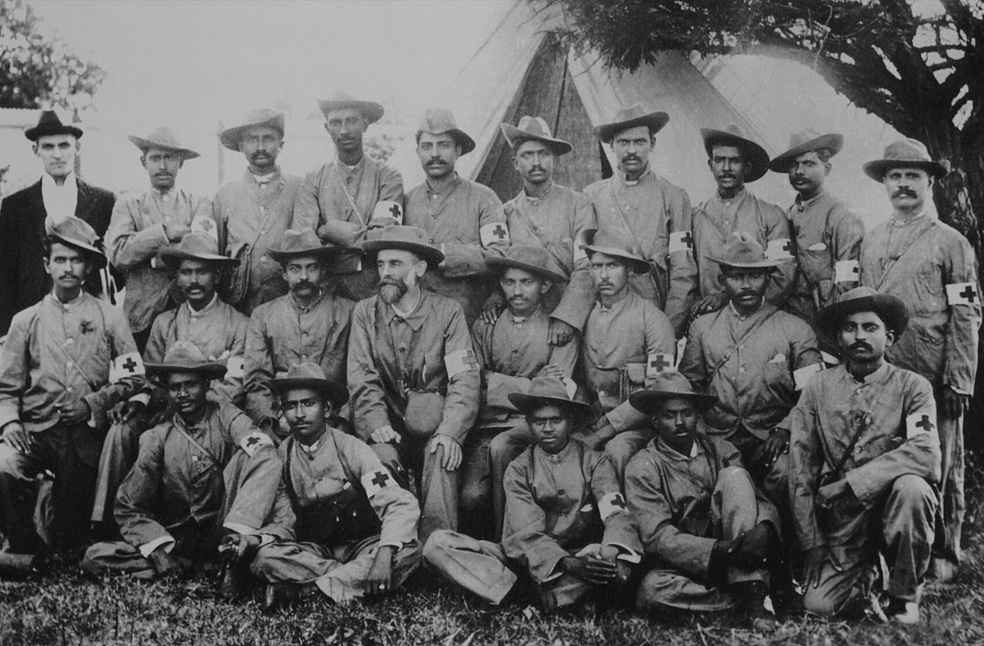
One strand, Gandhi Through the Lens, focuses on Mahatma Gandhi through photographic and archival material.
The programme examines the photographic documentation of his journeys, public meetings, campaigns and later years, and the role those images have played in preserving the historical record of his life.
A separate strand, India Through the Lens, looks more broadly at India’s photographic memory, including the freedom movement, independent India, social change, journalism, cities, villages, cultural traditions and ordinary life.
The wider programme also seeks to include photographic histories found outside formal museum collections, including press archives, family albums, schools, colleges, libraries and community institutions.
Scale still being finalised
The figures announced at the opening stage are not expected to represent the festival’s final scale.
Organisers say registrations and programme scheduling are continuing, and that the number of participants and activities may increase during the festival period.
They have also said they hope the completed event will reach the scale of one of the world’s largest photography festivals and become a major commemoration of photography’s 200-year history.
That description remains an organiser ambition rather than an independently established ranking, and the festival’s final scale will only be clear once registrations and programming are complete.
What is already confirmed is an unusually dispersed format: rather than being confined to a single exhibition complex, the programme will operate through museums, educational institutions, galleries and other venues across Kerala over four months.
Curatorial leadership for the festival includes Herbert Ascherman Jr., Michael Weil, Leonard Murray Metcalf, Aditya Arya, Dr Deepak John Mathew and Dr Unni Krishnan Pulikkal S., bringing together expertise from photography, museums, education and visual culture.
MOST READ | Meta smart glasses face possible restrictions in UK cinemas
