


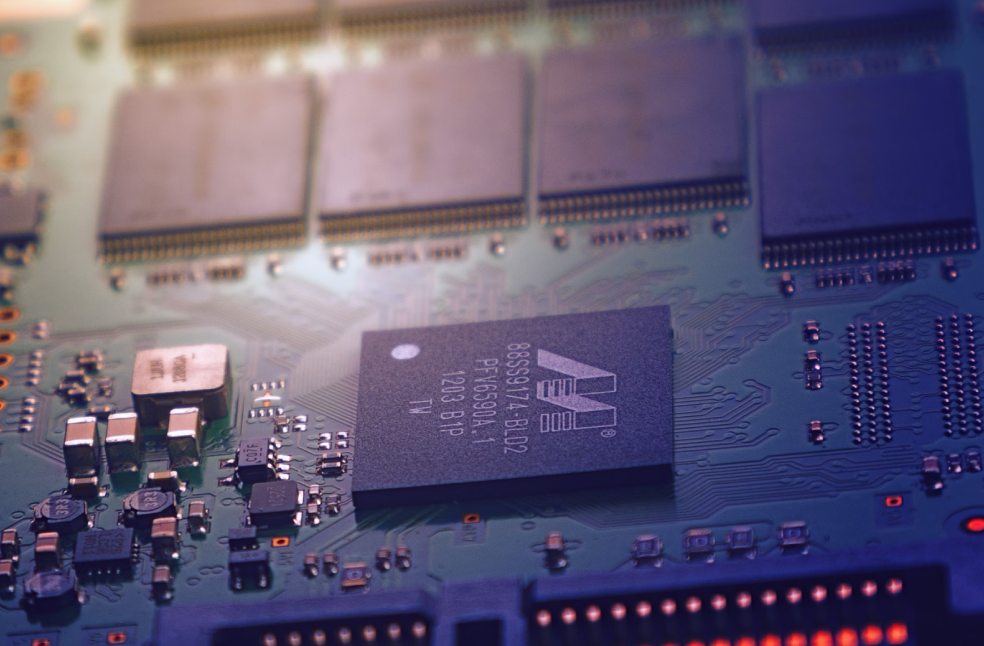
Seoul: South Korea’s exports have reached a monthly record of $120.9 billion in September, driven by surging global demand for semiconductors used in artificial intelligence (AI) systems.
Preliminary customs data released showed exports jumped 83.5 percent year-on-year, surpassing the previous monthly record of $102.25 billion set in June. Semiconductor shipments were the main driver, rising more than 260 per cent to $60.3 billion and accounting for nearly half of the country’s total exports.
South Korea’s exports for the first nine months of 2026 reached $814.5 billion, already exceeding the full-year record of $709.7 billion set in 2025. The country also recorded a trade surplus of $49.85 billion during the January-September period.
Kim Jeong-kwan, South Korea’s Minister for Trade and Industry, described the export performance as a significant achievement, crediting the efforts of the country’s businesses competing in global markets. Jeong-kwan stated that South Korea expects to reach $1 trillion in annual exports, while warning that rising global protectionism and tensions in the Middle East could affect future trade.

The export surge comes as the global AI boom fuels strong demand for memory chips. South Korea is home to major semiconductor manufacturers, including SK Hynix and Samsung Electronics, which have a major share of the global memory-chip market.
According to Counterpoint Research, the two companies together account for around 80 percent of the global high-bandwidth memory market and about 60 percent of the dynamic random-access memory market.
The strong semiconductor performance has also supported wider economic growth. South Korea’s nominal GDP growth reached 26.4 percent year-on-year in the April-June quarter, marking its strongest pace in five decades.
The Ministry of Finance and Economy has forecast real GDP growth of 3 percent in 2026, which would represent the country’s strongest annual performance since 2017, excluding the exceptional pandemic years. The AI-driven export boom has also contributed to strong gains in South Korean equities, with the benchmark Kospi rising nearly 60 percent this year.
MOST READ | Japan introduces higher residency fees for foreigners
