


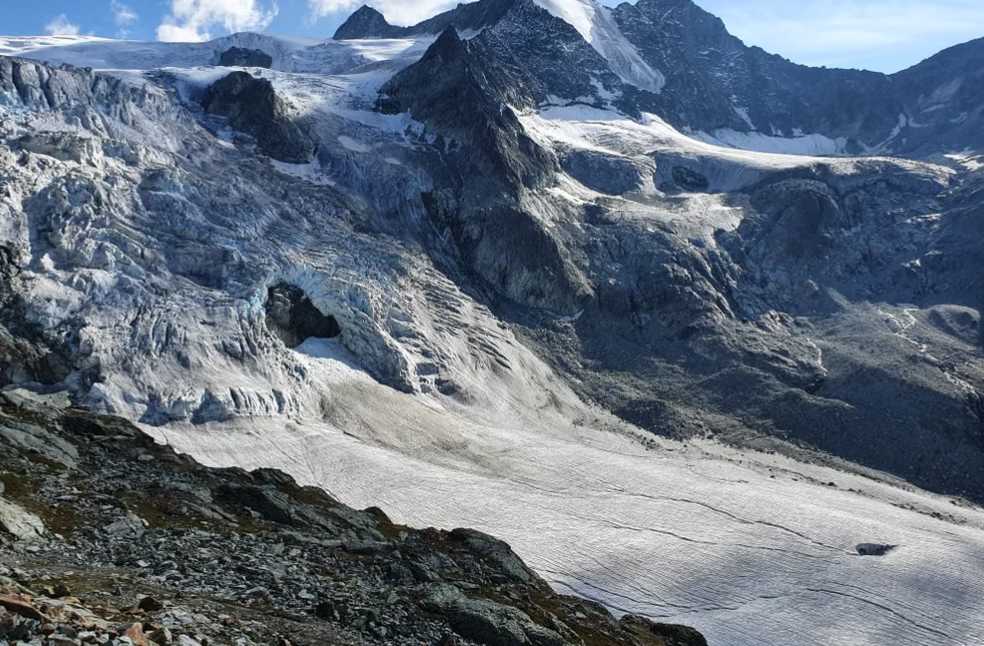
Les Diablerets: Swiss glaciers lost more than 5 per cent of their ice in 2026 after a combination of low winter snowfall and record summer temperatures accelerated melting, according to a report from the Swiss Glacier Monitoring Network (GLAMOS) and the Swiss Commission for Cryosphere Observation.
The findings highlight the increasingly rapid retreat of glaciers across Switzerland, with scientists warning that extreme years of ice loss are becoming more frequent. Over the past five years, Swiss glaciers have lost almost one-fifth of their ice, raising concerns about the long-term survival of glaciers and their role in supplying water.
Matthias Huss, director of GLAMOS, described the current situation as a new environment in which glaciers are rapidly losing ice. Scientists attributed the severe melting in 2026 to unusually low snowfall during winter followed by record temperatures during summer.
The rate of ice loss has not quite reached the record level recorded in 2022, when dust from North Africa settled on snow and contributed to faster melting. However, scientists stated that the scale and frequency of recent extreme melt years remain a major concern.
Switzerland’s largest glacier, the Aletsch Glacier, recorded its biggest annual melt in 2026. Glacier de Tsanfleuron also experienced a major decline, losing more than four meters of average thickness during the year.
The loss has also produced a significant volume of meltwater. Scientists estimate that Swiss glaciers released around 2.2 trillion litres of water between July and September alone, equivalent to more than four times the annual drinking water consumption of Swiss households.
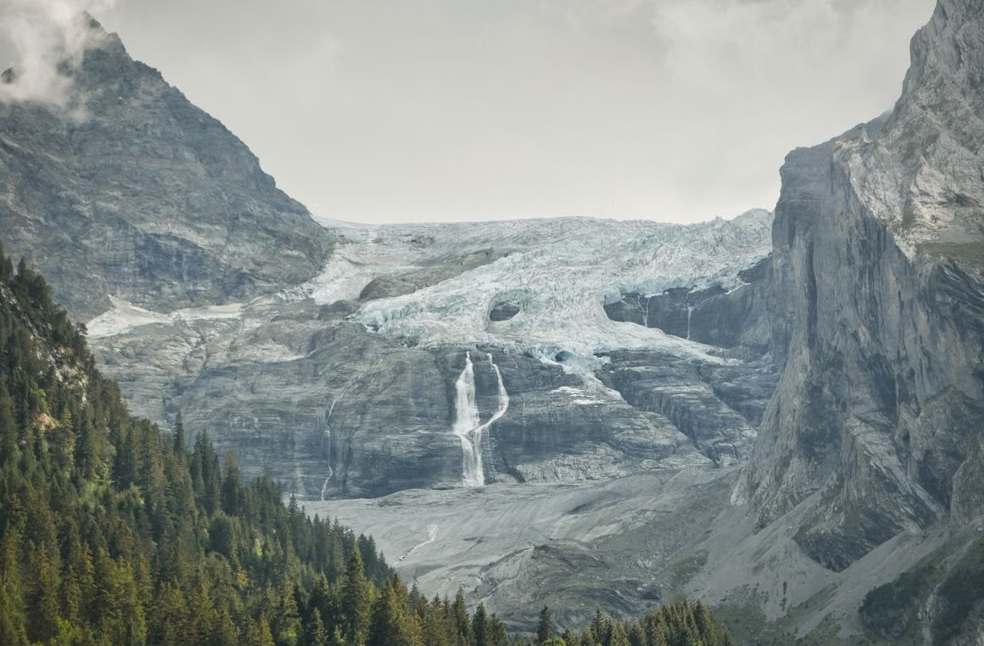
The additional water temporarily provides some relief during periods of summer water shortages. However, scientists noted that this benefit will decline as glaciers become smaller and contain less ice capable of producing meltwater.
GLAMOS monitoring shows that glacier conditions have deteriorated significantly over recent decades. The organization maintains long-term measurements of glacier mass balance, volume and length across Switzerland, allowing scientists to track changes linked to changing weather and climate conditions.
The 2026 melt season was preceded by unusually low winter snow accumulation. GLAMOS reported that winter snow on Swiss glaciers was about 25% below the 2010-2020 average by April 30, leaving less protective snow cover before the summer melting season began.
The latest figures add to a long-term pattern of glacier retreat in the Swiss Alps. GLAMOS data has documented substantial reductions in glacier ice volume and area, with the decade before 2025 recording the fastest glacier loss in Switzerland since measurements began more than a century ago.
Scientists have warned that continued losses could eventually affect the role glaciers play in regulating water availability during dry summer periods. As ice reserves shrink, the temporary water supply created by accelerated melting will also become less significant.
The latest measurements underline the growing challenge facing Switzerland’s glaciers as extreme heat, reduced snowfall and repeated high-melt years reshape the Alpine landscape.
DON’T MISS IT | OpenAI unveils Dots AI assistant as safety concerns delay model
