


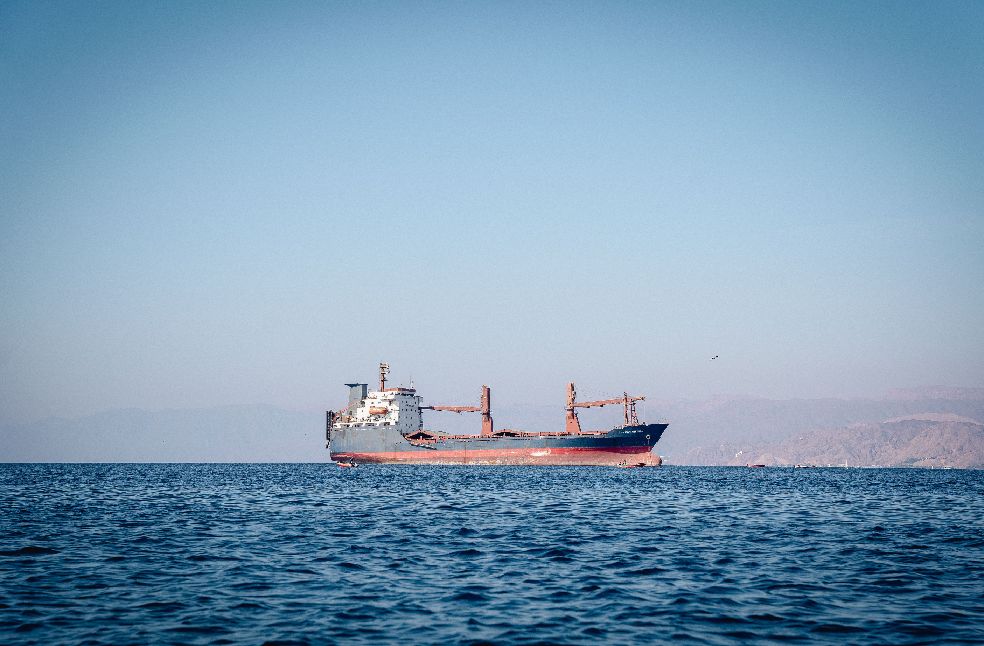
Singapore: Vessel traffic through the Strait of Hormuz has fallen sharply as tensions between the United States and Iran continue, with only 12 commodity vessels crossing the waterway.
The figure was down from 35 vessels during the previous weekend, according to shipping data. The decline comes as the Gulf remains caught in a stalemate linked to the wider Middle East conflict.
The Strait of Hormuz becomes a major pressure point for global energy supplies. Before the war began on February 28, the waterway handled about 125 large commercial vessels each day. The traffic included oil tankers, gas carriers, bulk vessels and container ships.
Visible shipping through the strait has now dropped to a small fraction of normal levels. Middle Eastern producers are still moving oil through the waterway. Some tankers are travelling with their transponders switched off, making their movements more difficult to track.
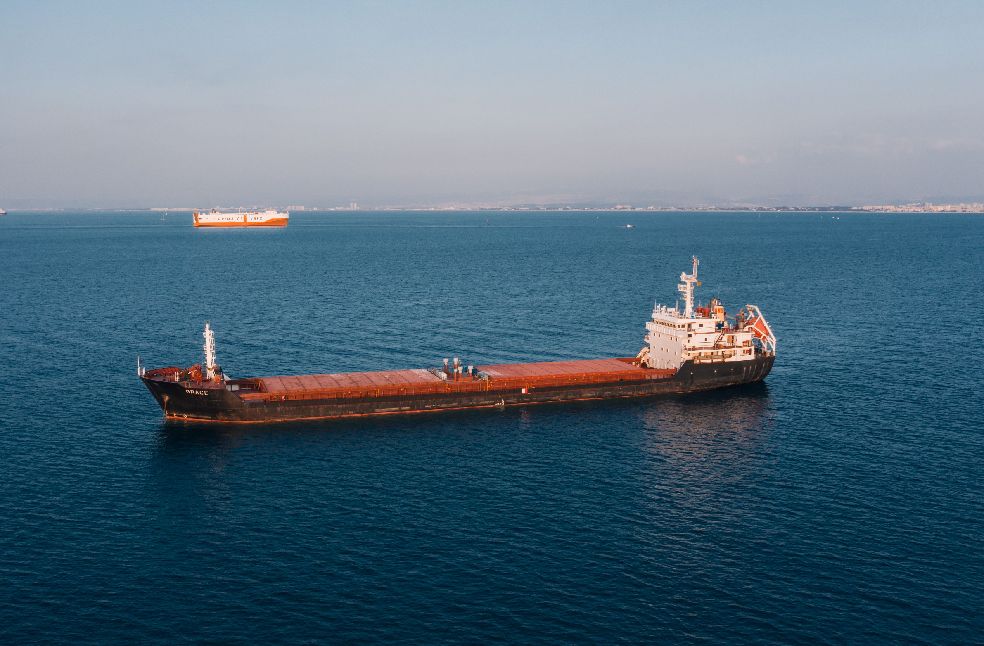
On September 19, 5 vessels left the Gulf. The ships were carrying agricultural products, liquefied petroleum gas and fertiliser. An empty very large gas carrier also entered the Gulf.
Saudi Arabia has continued to increase oil shipments through the Strait of Hormuz after Houthi attacks damaged the East-West pipeline. Saudi Aramco increased exports through the waterway this month and next after halting some shipments through Yanbu.
Kpler data showed Saudi crude exports recovered to more than 4 million barrels per day in September. Exports had fallen to 2.4 million bpd in August. That was the lowest level since at least 2013.
A total of 18 tankers left the Strait of Hormuz during the week of September 13. Most were very large crude carriers carrying a combined 34 million barrels of crude. Saudi Arabia accounted for half of those exports while Iraq supplied 35 percent.
The figures show that shipping traffic remains heavily disrupted even as oil flows continue. The Strait of Hormuz remains a critical route for global energy markets while the wider regional conflict continues.
RELATED POST | Ships passing through Strait of Hormuz fall to single digits, data shows
