



London, UK: Parents whose children commit offences could face fines, benefit reductions and, in extreme cases, imprisonment under proposed changes to England and Wales’ youth justice system.
Youth Justice Minister Jake Richards stated that parents should be held proportionately responsible for playing their part in helping prevent offending and keeping communities safe.
The government plans to strengthen and expand parenting orders, which can require parents or guardians to take steps to address a child’s behaviour. These measures can include counselling and residential programmes, while failure to comply can result in a fine of up to £1,000.
Richards added that imprisonment would be considered only in the most serious cases and would remain subject to a judge’s decision. The Minister described the approach as combining support with consequences for parents who fail to engage.
The proposals have drawn criticism from criminal justice and child behaviour experts, who question whether parenting orders are effective and warn that tougher financial penalties could disproportionately affect low-income families.
Nikki Rutter, an assistant professor of sociology at Durham University, said evidence suggests parenting orders have not been effective and argued that increasing fines could push affected families further into poverty.
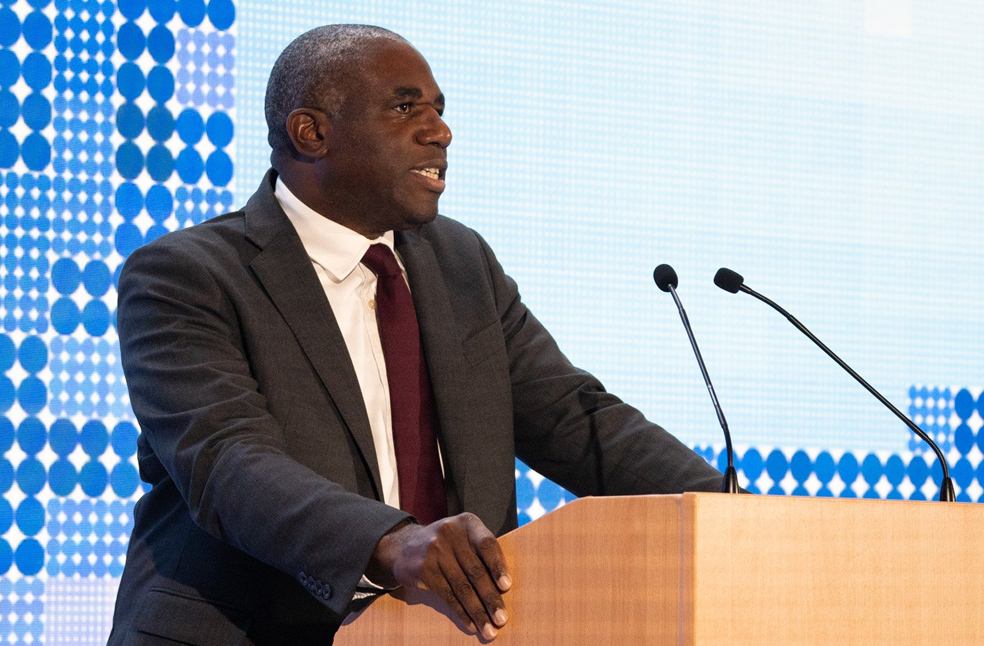
Former Justice Secretary David Lammy noted that in May that stronger parenting orders would create consequences for parents and carers who deliberately fail to support efforts to address their children’s behaviour. Lammy also said that judges could intervene where families needed additional support and expected imprisonment to be used very rarely.
Under current rules, courts must consider a parenting order when a child under 16 is convicted of an offence. Orders can also apply to 16- and 17-year-olds where a court considers them necessary to help prevent further offending.
Parenting orders can last for up to 12 months, and breaching an order is a criminal offence carrying a maximum fine of £1,000. Government figures show the use of parenting orders has fallen significantly, from more than 1,000 in 2009–10 to 33 in 2022–23.
Research published in the Youth Justice Journal has also highlighted limited evidence on the effectiveness of parenting orders since their introduction in 1998. The report argued that parents should generally be able to choose whether to engage with support services.
MOST READ | Waymo sets 2028 launch for autonomous taxis in Singapore
