


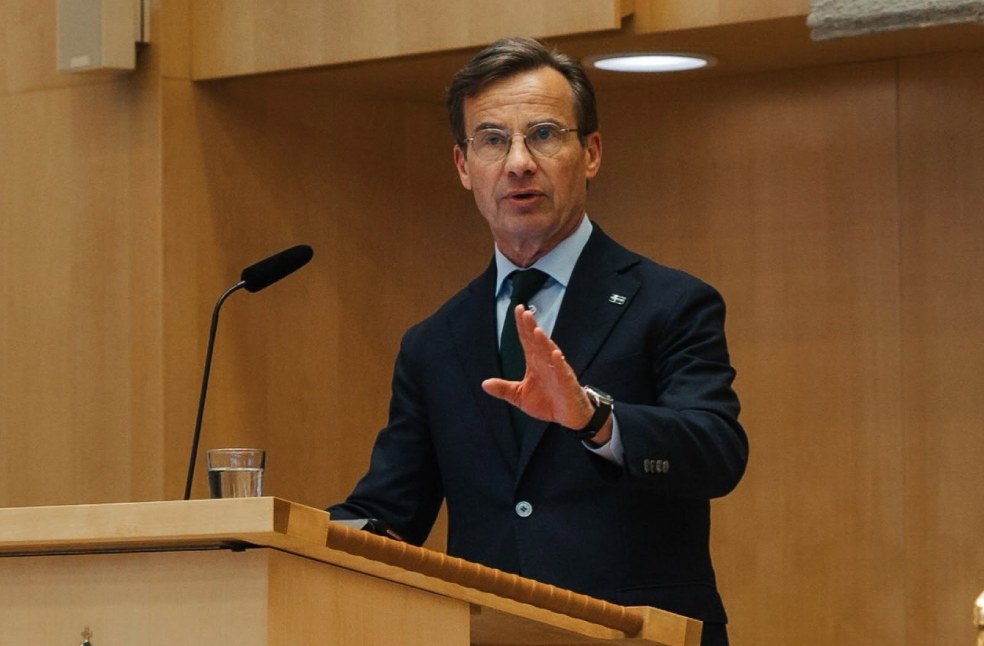
Stockholm: Swedish Prime Minister Ulf Kristersson has resigned after the final count of parliamentary election showed the centre-left opposition winning a narrow majority in the country’s 349-seat Riksdag.
The four opposition parties secured 176 seats, compared with 173 for the parties supporting Kristersson’s outgoing government, according to the Swedish Election Authority. The result left around 50,000 votes separating the two blocs.
Kristersson announced the resignation in a letter to the speaker of parliament, saying the speaker should now lead the process of forming a new government. Former Prime Minister Magdalena Andersson, leader of the Social Democrats, is expected to begin negotiations with other opposition parties over forming a government. The opposition bloc consists of the Social Democrats, Left Party, Green Party and Centre Party.
Mitt brev till talmannen pic.twitter.com/NtSSTVRD5r
— Ulf Kristersson (@SwedishPM) September 17, 2026
However, forming a government could prove difficult because of differences between the parties. The Centre Party has opposed joining a government that includes the Left Party, while the Left Party has sought a role in government.
Sweden’s political system frequently produces coalition or minority governments. After a prime minister resigns, the speaker of the Riksdag holds talks with party leaders before proposing a candidate for prime minister, who must then secure parliamentary approval.
Kristersson’s governing bloc included his Moderate Party, the Sweden Democrats, the Christian Democrats and the Liberals. The Sweden Democrats, which had provided parliamentary support to Kristersson’s government, won 62 seats, down from 73 in the previous election.
The final result was confirmed after late-arriving advance ballots and overseas votes were counted. Sweden’s Election Authority says the final distribution of parliamentary seats follows the completion of the formal vote-counting process. The next government will depend on negotiations among the parties, with differences over taxation, immigration, climate policy and the role of the Left Party among the issues that could shape the talks.
MOST READ | Bangladesh measles outbreak kills more than 1,000 children
