


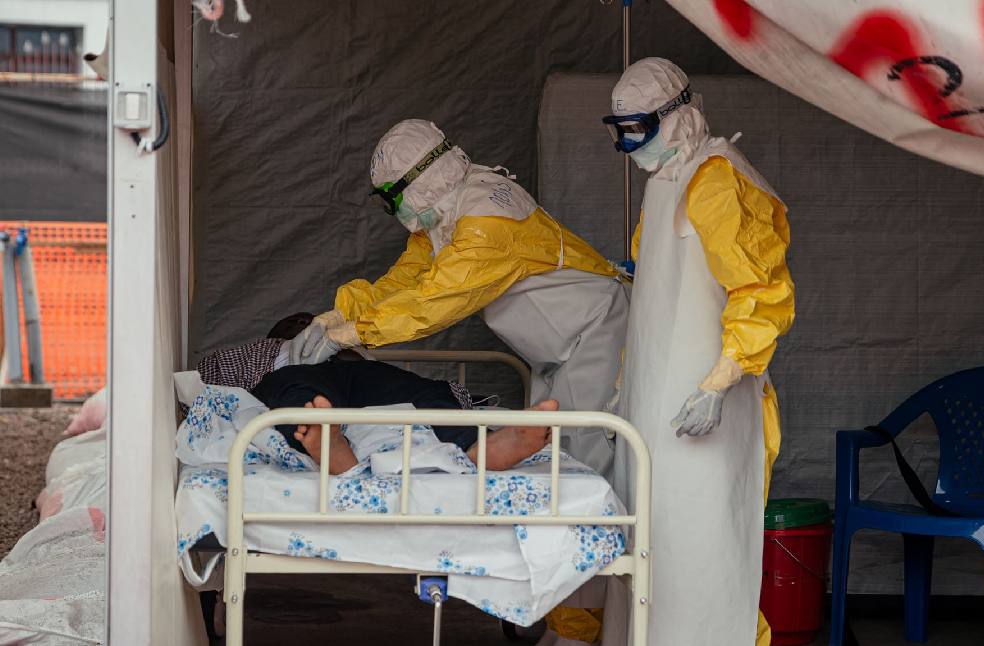
Kinshasa: The Ebola outbreak affecting parts of the Democratic Republic of the Congo has reached its peak, authorities said, as the number of new infections begins to decline for the first time since the epidemic was declared in May.
Congolese Health Minister Samuel Roger Kamba said transmission of the Bundibugyo variant of Ebola was slowing, while stressing that preventive measures must remain in place. “We are fighting a very dangerous virus that is killing many of our people. Today, we can say that the outbreak is under control,” Kamba said.
“At one point, we were recording about 120 cases per day; today, we’re seeing about 80 per day. So the number of new cases is decreasing every day.” Kamba said 10 of the country’s 62 health zones affected by the outbreak had gone more than 22 days without reporting new cases.
Six health zones can now be removed from the affected list after recording no new cases for more than 42 days, while another four have gone more than 21 days without a new infection, according to the health minister.
Despite the decline, the outbreak has continued to spread geographically. Sud-Ubangi, which borders Congo-Brazzaville and the Central African Republic, last week became the sixth province to report cases of the disease.
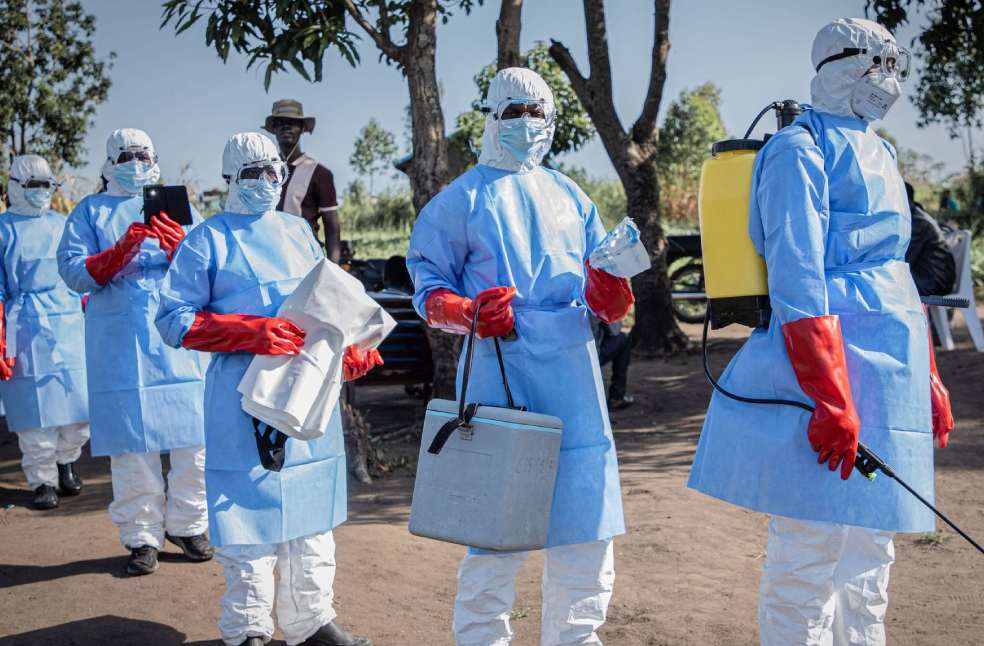
The Bundibugyo Ebola outbreak was declared by Congolese authorities on May 15 and has been concentrated primarily in Ituri province, where continuing conflict has complicated efforts to contain the disease. According to the latest figures from the Congolese health ministry, more than 7,200 confirmed cases and over 3,475 deaths had been recorded as of September 14.
No effective treatment for the Bundibugyo variant has been identified so far, although clinical trials are under way in the region. The DRC received more than 70,000 doses of the Ervebo vaccine last month. The vaccine is approved for the more common Zaire Ebola virus rather than the Bundibugyo variant.
Iracan Gratien de Saint-Nicolas, an MP for Bunia, welcomed signs of progress but cautioned against ‘triumphalism’, calling for continued efforts to demonstrate that the outbreak was genuinely under control.
Gratien Iracan also called for lessons to be learned from shortcomings in epidemiological surveillance that contributed to the rapid spread of the virus and urged the government to make the indicators supporting its assessment public.
“Claims that an epidemic is under control must be supported by objective indicators. If the indicators show that the epidemic is indeed under control, let’s make them public. Transparency in the data will strengthen public confidence,” Gratien Iracan said. The outbreak is the 17th recorded Ebola outbreak in the DRC since the highly contagious disease was first identified and named in 1976.
ALSO READ | Carney pushes closer EU ties as Canada-US trade war deepens
