


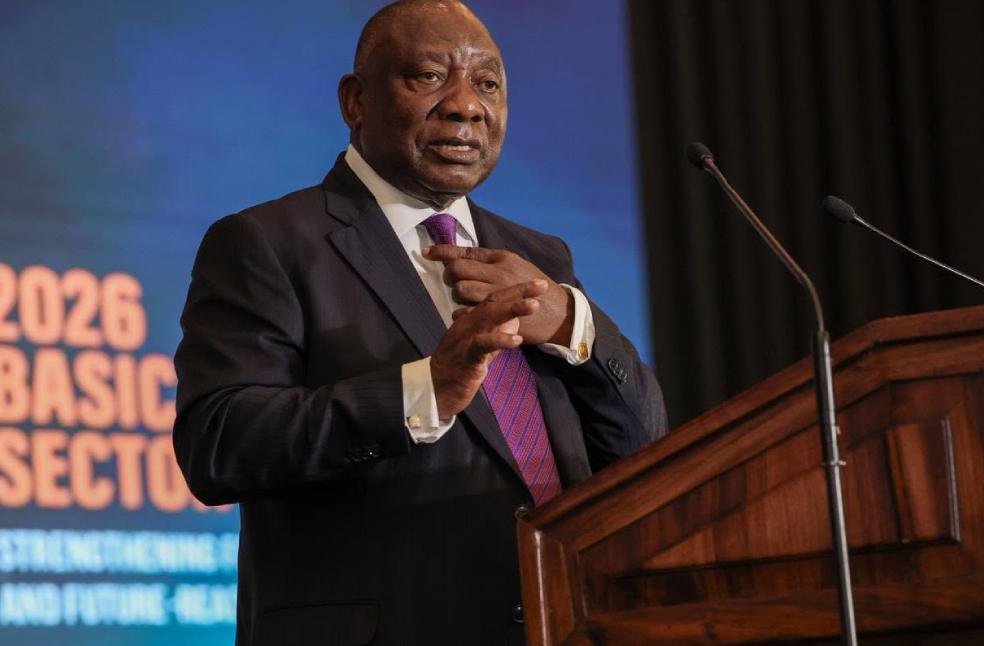
Overberg: South African President Cyril Ramaphosa has announced a series of sweeping measures to curb illegal migration, as anti-foreigner sentiment intensifies across the country with concerns over unemployment, crime, and pressure on public services.
In a national address, Ramaphosa unveiled a five-point strategy to strengthen immigration enforcement while cautioning citizens against taking the law into their own hands. The measures come as tensions continue to rise, with anti-migrant groups demanding that undocumented foreign nationals leave South Africa by June 30.
The president revealed plans to impose tougher penalties, including imprisonment, on employers who knowingly hire undocumented workers. Dedicated immigration courts will also be established to accelerate the deportation process, while authorities move toward creating a biometric register for every person in the country to combat identity fraud.
Ramaphosa acknowledged that illegal migration places additional strain on public services and contributes to public frustration. However, he stressed that only authorised government officials have the legal authority to enforce immigration laws.
The announcement follows a series of incidents that have heightened fears among migrant communities. In the Western Cape’s Overberg region, hundreds of African migrants fled their homes following reports of door-to-door intimidation and the deaths of two Mozambican nationals in Mossel Bay. Many sought refuge in community halls and temporary shelters, while others opted to return to their home countries.
Several African governments have begun evacuating citizens from South Africa. Groups of migrants have recently departed for Malawi and Mozambique, while foreign nationals in Durban have reportedly been camping outside government offices, citing fears for their safety.
Ramaphosa’s strategy includes strengthening border security, combating corruption within the immigration system, closing legal loopholes, and working more closely with other African nations to address migration challenges.
The president also highlighted the growing link between illegal migration routes and organised crime. According to government figures, South Africa’s Border Management Authority intercepted more than 450,000 people attempting to enter the country illegally over the past year.
Addressing corruption concerns, Ramaphosa announced plans to phase out the country’s green identity books, which authorities believe have been exploited by criminal syndicates and undocumented migrants for identity fraud. The move forms part of a broader transition toward a future digital identification system.
Additional reforms include relocating refugee reception centres to border posts and introducing stricter registration requirements for informal businesses, including township grocery stores known as spaza shops. The government also plans to introduce quotas regulating the employment of foreign nationals across various sectors.
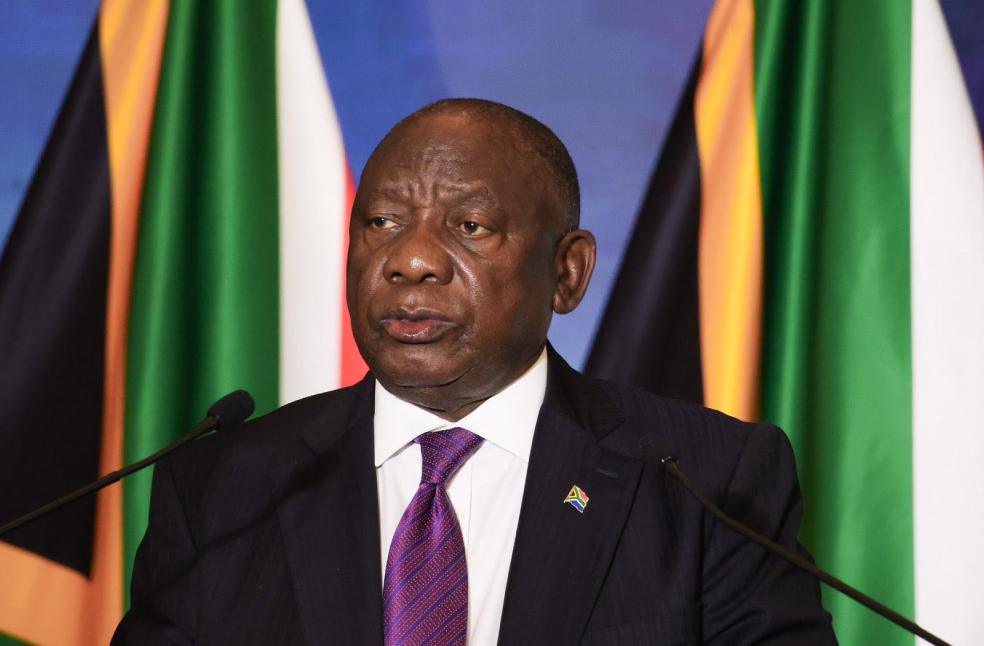
South Africa currently hosts more than three million documented foreign nationals, representing around 5 percent of the population, although the number of undocumented migrants is believed to be significantly higher.
With unemployment standing at approximately 33 percent, one of the highest rates globally, migration remains a highly sensitive political issue. Some analysts believe the renewed anti-migrant rhetoric may be linked to local elections scheduled for November. Ramaphosa rejected xenophobia and discrimination, emphasising South Africa’s history as a nation shaped by migration.
The president concluded by expressing confidence that the new measures would help build a more secure, lawful, and prosperous nation while maintaining social cohesion and respect for human rights.
MOST READ | 12 injured in shooting near Ohio festival; Police hunt suspects
