


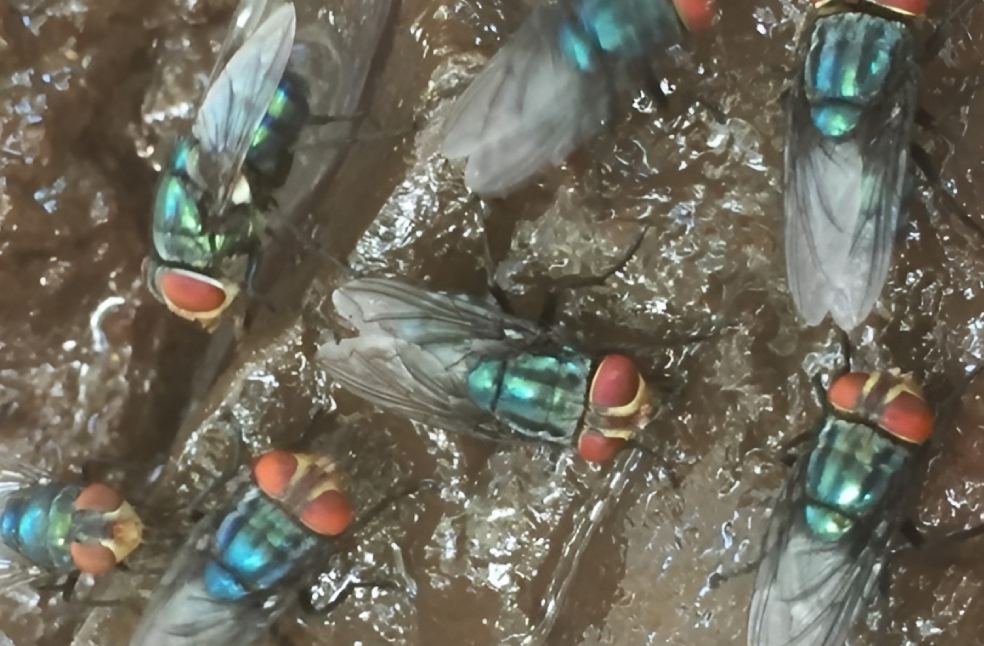
Texas: A flesh-eating screwworm parasite capable of infesting warm-blooded animals has been detected in the United States for the first time since 1966, raising concerns among livestock producers and agricultural authorities.
The United States Department of Agriculture (USDA) confirmed the presence of the New World Screwworm (NWS) in a three-week-old calf in La Pryor, Texas, located about 48 kilometres from the US-Mexico border. The parasite has been steadily advancing through Mexico over the past year despite ongoing efforts to prevent its entry into the United States.
New World Screwworm is a parasitic fly whose females lay eggs in open wounds or mucous membranes of animals. Once hatched, the larvae feed on living tissue, burrowing deep into flesh and potentially causing severe injury or death if left untreated.
The infected calf was found to have larvae in its umbilical area, marking the first confirmed case in the US in six decades. While the parasite can also affect pets and humans, health officials say human infections remain rare, and the fly does not pose a food safety risk.
This evening, I hosted a call with Texas media alongside @USDA Under Secretary Dudley Hoskins and Texas animal health officials to provide an update on the confirmed detection of New World Screwworm (NWS) in South Texas and outline our immediate response efforts.
We briefed… pic.twitter.com/VI16BlRXYW
— Secretary Brooke Rollins (@SecRollins) June 4, 2026
Authorities have moved quickly to contain the threat. The USDA, in coordination with Texas officials, has established a 20-kilometre detection and quarantine zone around the affected area. Since the movement of infested animals is the primary method of spread, livestock monitoring and movement restrictions are being intensified.
As part of the response strategy, officials plan to release millions of sterile screwworm flies. Since female screwworm flies mate only once, mating with sterile males prevents egg fertilisation and disrupts reproduction, a method previously used successfully to eradicate the pest from North America.
US Agriculture Secretary Brooke Rollins said federal personnel have already been deployed to South Texas to support containment efforts and urged livestock producers to remain vigilant for signs of infestation.
However, Texas Agriculture Commissioner Sid Miller criticised the federal response, arguing that authorities relied too heavily on sterile fly releases and failed to use every available tool quickly enough to prevent the parasite’s return.
The detection has heightened concerns within the cattle industry, which fears a wider outbreak could reduce herd sizes, impact beef production and contribute to higher meat prices for consumers. As containment measures continue, officials are urging ranchers and veterinarians to report suspicious wounds and infestations immediately to help prevent the parasite from spreading further.
POPULAR | US announces tariffs on 60 trading partners over forced labour concerns
