


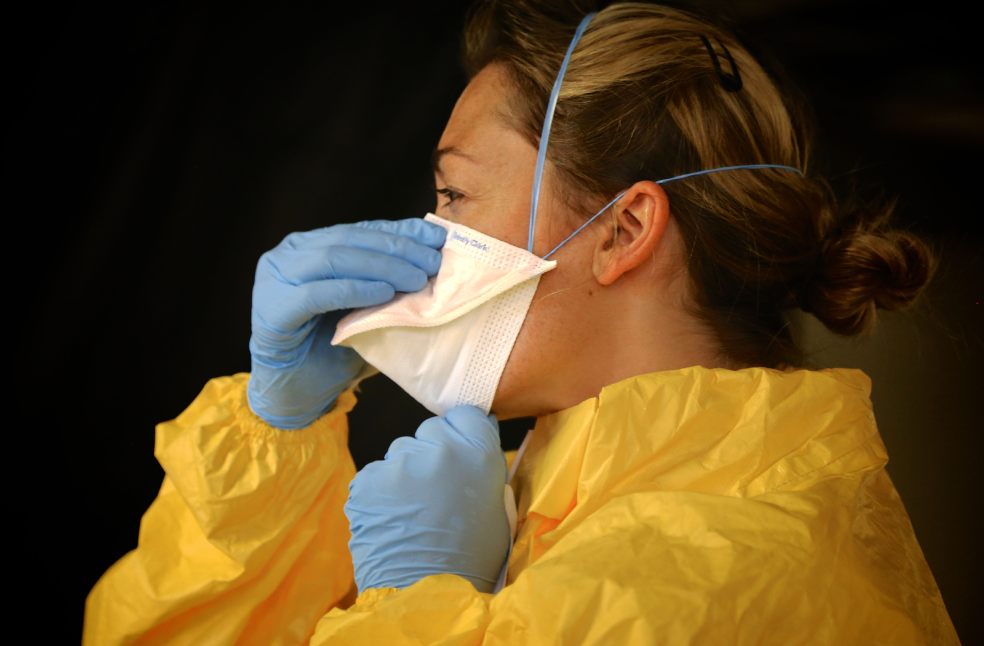
New York: Three experimental vaccines are being fast-tracked to combat the rare Bundibugyo strain of Ebola, as a rapidly escalating outbreak in the Democratic Republic of Congo (DRC) threatens to become one of the most severe in history.
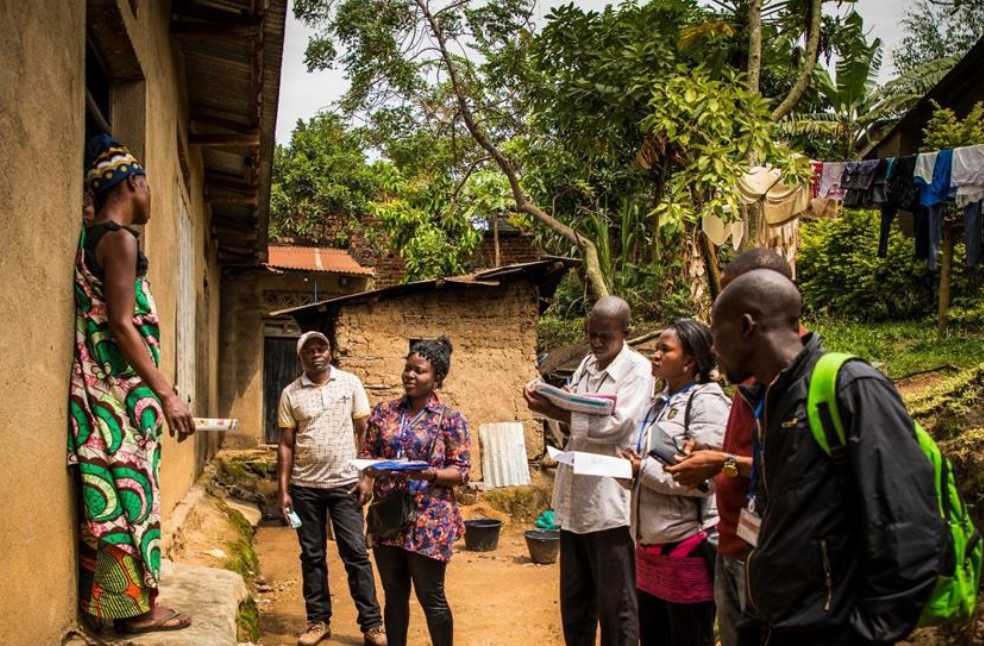
The outbreak has already claimed nearly 250 lives, with more than 1,000 suspected cases reported in the DRC and nine confirmed infections detected in neighbouring Uganda. Health experts fear the epidemic could rival or even surpass the devastating 2014-2016 West Africa Ebola outbreak, which infected nearly 29,000 people and killed more than 11,000.
The vaccine candidates are being developed by the International AIDS Vaccine Initiative (IAVI), University of Oxford, and Moderna, with funding support from the Coalition for Epidemic Preparedness Innovations (CEPI).
Race against time
The Bundibugyo strain has only caused two previous outbreaks and currently has no approved vaccine. Existing Ebola vaccines target the more common Zaire species and offer no guaranteed protection against Bundibugyo.
Dr. Mark Feinberg, President and CEO of IAVI, warned that the current outbreak poses a serious global health threat. Feinberg remarked that, “This is clearly threatening to be as severe an outbreak as that, if not even worse,” stressing that vaccine development and other medical countermeasures are an urgent priority.
Medical charity Médecins Sans Frontières (MSF) has also described the situation as ‘deeply alarming,’ noting that such a high number of cases has rarely been recorded so early in an Ebola outbreak.
Different technologies, same target
Each of the three vaccine candidates aims to train the immune system to recognise and attack the Bundibugyo glycoprotein, a key protein found on the virus’s surface. IAVI’s candidate is based on a modified version of an existing Ebola vaccine and uses a harmless engineered virus to stimulate immune protection. Animal studies have shown nearly 100 percent protection against infection.
Moderna is applying its mRNA technology, which gained global prominence during the Covid-19 pandemic, to develop a Bundibugyo-specific vaccine. Meanwhile, researchers at the University of Oxford are adapting their vaccine platform, also successfully used during Covid-19, and expect to begin clinical trials within two to three months.
While all three approaches seek the same outcome, differences in technology may affect effectiveness, dosage requirements, and duration of immunity. These factors will need to be evaluated through clinical trials before any vaccine can be approved for widespread use.
Global health leaders call for urgent action
CEPI CEO Dr. Richard Hatchett emphasised the need for rapid progress. Dr. Hatchett remarked that, “With Bundibugyo virus spreading rapidly and no licensed vaccines, every day counts in the race against this deadly disease.”
Tedros Adhanom Ghebreyesus, Director-General of the World Health Organisation, said a successful Bundibugyo vaccine could play a critical role in controlling the current epidemic and improving preparedness for future outbreaks.
As scientists accelerate vaccine research, health authorities continue efforts to contain the virus in regions facing conflict, limited healthcare infrastructure, and growing concerns about cross-border transmission. The coming months are expected to be crucial in determining whether the outbreak can be brought under control before it spreads further across the region.
POPULAR | Nvidia unveils RTX Spark AI chip for next-generation PC
