


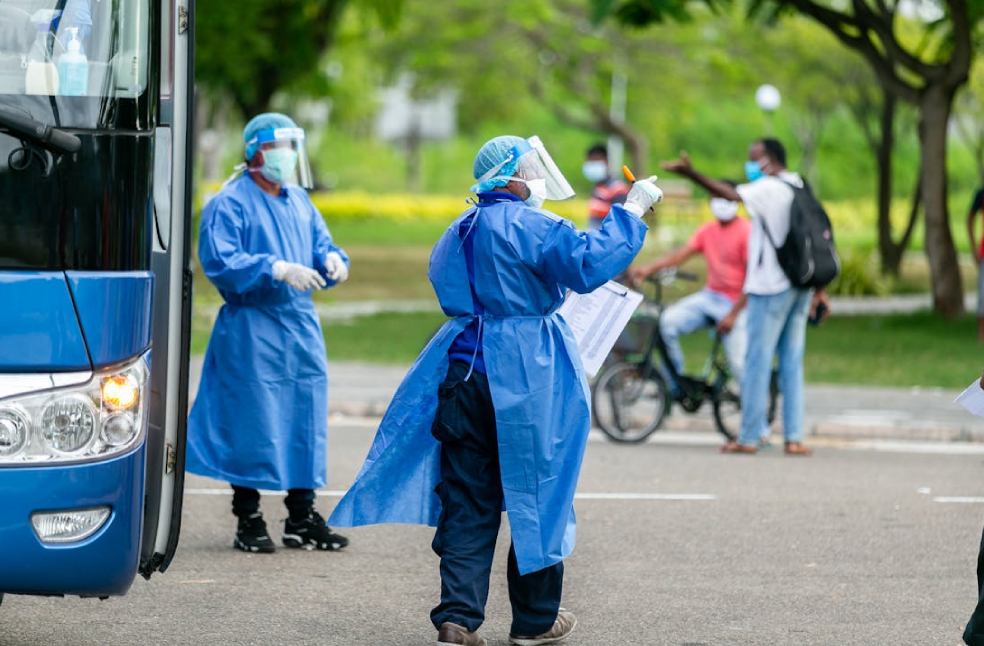
Kinshasa: The number of suspected Ebola cases in DR Congo has surged past 900 as authorities struggle to contain the outbreak in conflict-affected eastern provinces.
Congolese officials said the outbreak remains concentrated mainly in Ituri Province, where healthcare systems are already under severe strain because of ongoing violence and displacement.
Authorities reported 904 suspected cases, a sharp increase from earlier figures released by health officials. Confusion also emerged over the reported death toll after government figures appeared inconsistent, with separate regional data suggesting a significantly higher number of suspected deaths than officially announced.
The outbreak involves the rare Bundibugyo strain of Ebola, which currently has no approved vaccine or specific treatment. The World Health Organization has already declared the situation a public health emergency of international concern and recently raised the national risk level in DR Congo to “very high”.
Health experts warn the country faces unique challenges because of delayed case detection, armed conflict, weak healthcare systems and the movement of large displaced populations.
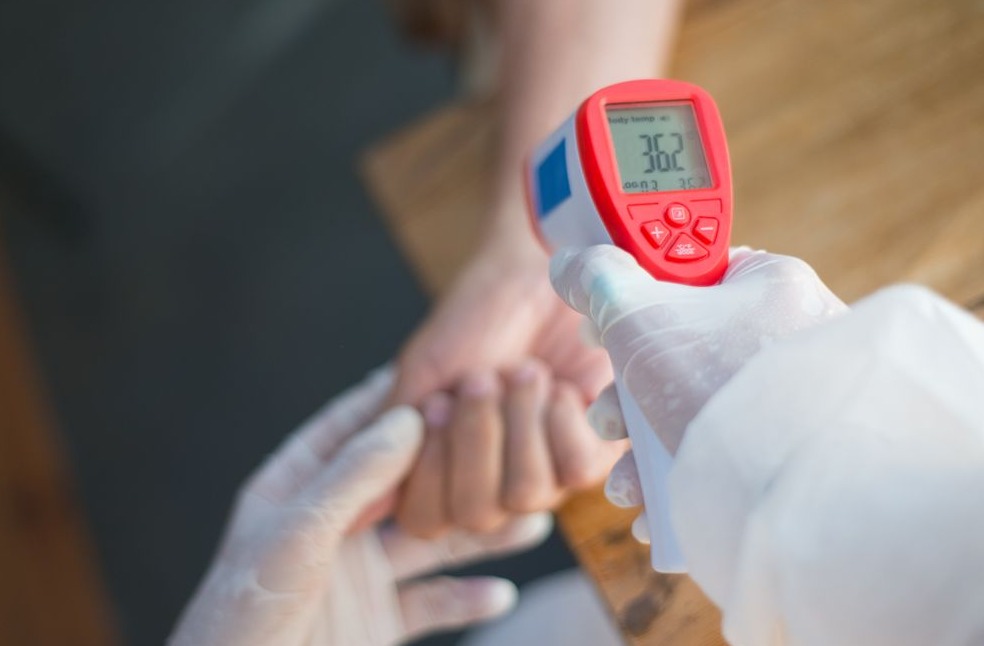
Millions of people in eastern Congo have been affected by years of violence involving armed rebel groups, including militants linked to the Islamic State group. Aid organisations say insecurity has forced many healthcare workers to flee affected areas, leaving hospitals overwhelmed and lacking basic medical supplies.
Médecins Sans Frontières previously warned that some communities in Ituri were already facing catastrophic medical conditions before the outbreak intensified.
International relief agencies have also raised concern about shortages of protective equipment, testing kits and safe burial materials needed to prevent further spread of the virus.
The outbreak response has become even more difficult following attacks on Ebola treatment centres by angry residents demanding the release of bodies of relatives who died from suspected infections.
Scientists at University of Oxford are among teams working to develop a vaccine against the Bundibugyo strain, although the WHO says any vaccine candidate may still be months away from use. Health officials fear the combination of conflict, displacement and limited medical resources could significantly worsen the outbreak if containment efforts fail.
MOST READ | Trump announces progress toward US-Iran peace agreement
