


Close Menu

    Get the latest news around the globe

    Editor's Pick

    Australia lifts long-standing US beef ban after review

    India US trade deal eases tariff pressure but questions remain

    Measles outbreaks in Texas and New Mexico surge, nearing 100 cases

    Facebook X (Twitter) Instagram
    Facebook X (Twitter) LinkedIn Instagram
    Britain HeraldBritain Herald
    Subscribe
    • Home
    • World Roundup
    • Business
    • Tech World
    • Entertainment & Events
    • Curious
    • More…
      • Spotlight
      • Knowledge
      • Lifestyle
      • Awareness
      • Women World
      • Sports
      • Travel
      • Notable
      • Contact Us
    Britain HeraldBritain Herald
    Home » New Zealand’s fertility rates hit record low as births decline
    Knowledge

    New Zealand’s fertility rates hit record low as births decline

    The decline in birth rates is attributed to a 'continuing trend' of smaller family sizes and higher rates of childlessness.
    Trainee ReporterBy Trainee ReporterFebruary 19, 2024
    Facebook Twitter LinkedIn WhatsApp
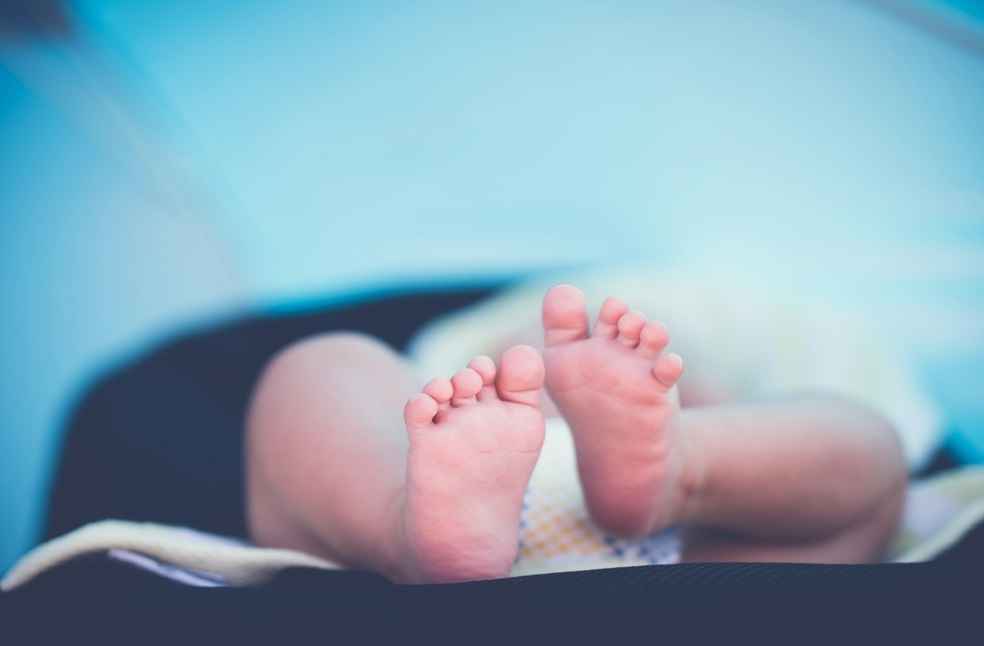
    New Zealand's lower fertility rates hit record lows as births decline.
    Rep. Image: SI Janko Ferlič | Unsplash

    New Zealand’s fertility rate has hit a record low in 2023 as the total number of births declined, according to official data. Fertility rate is a measure of the average number of children a woman is expected to have in her lifetime.

    In New Zealand, as well as in many other countries, this number has decreased in recent years due to various factors such as increased education and workforce participation among women, as well as greater access to contraception.

    Statistics New Zealand reported that, there were 1,932 fewer babies in the year ending than in the previous year, the lowest number of births in 20 years. This decline occurred despite a 3 percent increase in the number of women of childbearing age (15-49).

    The fertility rate has reached a record low of 1.56 births per woman, which is attributed to the combination of fewer births and an increase in the number of women in the population. This rate is far below the 2.1 rate required to maintain the population in the long run. In 2022, the fertility rate was 1.66.
    New Zealand's lower fertility rates hit record lows as births decline
    Rep. Image: Alicia Petresc | Unsplash

    NZ’s analyst, Rebekah Hennessey has reported that, “The latest decline reflects a continued trend of smaller average family sizes and increased rates of childlessness, although the total fertility rate is also affected by changes in the age of giving birth.”

    The average age of people giving birth is 31.3 years, compared to 31.2 in 2022. Since 1999, the median age has remained around 30 years, compared to the 1970s, when the median age was closer to 25.

    Hennessey said that, “If women start having children later in life, they may have fewer children, which plays a part in the lower fertility rate, and the age gap between children can also affect the lower fertility rate.”

    The figures indicate that New Zealand had its smallest yearly population growth, excluding migration, since World War II, with 19,071 more births than deaths, compared to almost 20,000 more births than deaths in 2022. The decreasing fertility rates in New Zealand are following a global trend, particularly in western countries.
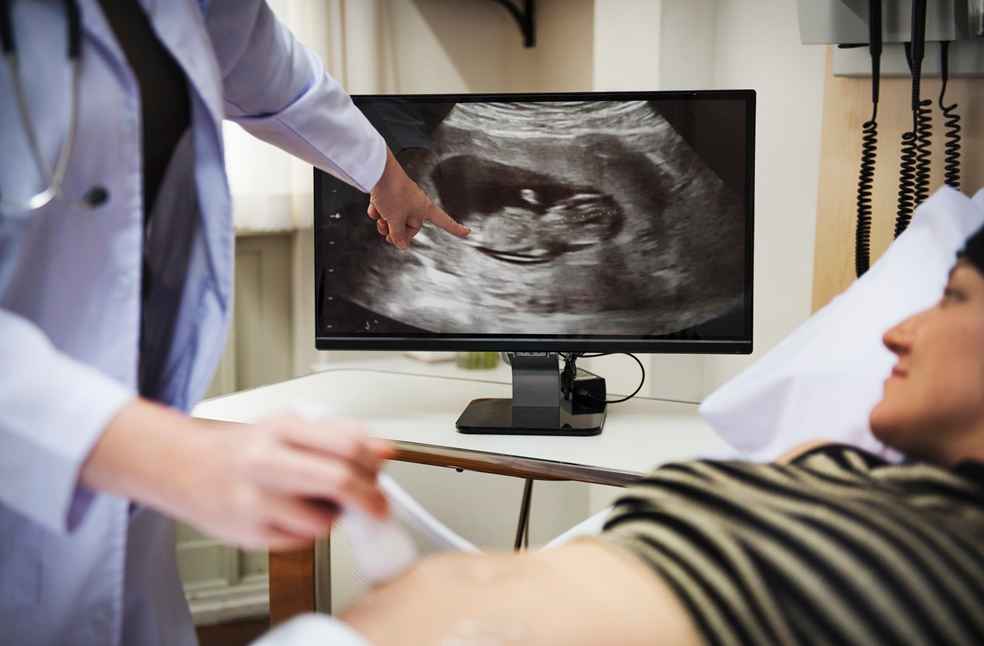
    New Zealand's lower fertility rates hit record lows as births decline
    Rep. Image: Rawpixel | Freepik

    This decline in births has raised concerns over the ageing population, workforce shortages, and the risk of having uninhabited towns. However, some people have noted the advantages of a decrease in population, especially those who are worried about the negative impact of overpopulation on the environment.

    Hennessey also added that, “The number of births is driven by a complex mix of social and demographic factors that change over time. There will be a range of reasons for the drop in births in 2023, and these may include the higher cost of living, higher rents, and the cost of home ownership.”

    “But factors like women’s education, participation in the workforce, and access to contraception have also been shown to reduce the number of babies people have,” she added.

    TRENDING | Simple diet swap found to lower blood pressure; Study

    STAR OF SECTOR 2025
    Analysis of NZ's Fertility Rates Births Decline in New Zealand falling Fertility Rates in New Zealand NZ's Lower Fertility Rates Rebekah Hennessey Statistics New Zealand
    Share. Facebook Twitter LinkedIn WhatsApp
    Avatar
    Trainee Reporter

    The news/article published above has been sourced, compiled, and corroborated by a Trainee Reporter at Britain Herald. If you have any queries or complaints about the published material, please get in touch with us at BritainHerald@Gmail.Com

    Newly Updated

    Burnham arrives in Kyiv to reaffirm UK support for Ukraine

    August 24, 2026

    New Zealand proposes social media ban for children under 16

    August 24, 2026

    Trump waves green flag as Freedom 250 Grand Prix begins

    August 24, 2026
    STAR OF SECTOR 2025

    Business

    Tesla recalls nearly 3 million EVs in China over door risks

    Business August 22, 2026

    Beijing: Tesla is among several automakers recalling more than 4 million vehicles in China over…

    Panama Canal to cut daily ship transits from September

    August 21, 2026

    India’s Swiggy targets higher Instamart margins with model shift

    August 20, 2026

    US delays new tariffs on Canadian goods after trade deal

    August 19, 2026
    Stay In Touch
    • Facebook
    • Twitter
    • LinkedIn
    • Instagram

    Curious

    Giant Python successfully treated with human cancer therapy

    August 21, 2026

    Forgotten history of dining tables and how we eat

    August 16, 2026

    Earth to witness billions receiving sunlight together

    July 8, 2026

    Ever wonder why lightning sounds different? Here’s why

    July 3, 2026

    Get the latest news around the globe

    Knowledge

    Why migration is transforming cities around the world

    Knowledge August 19, 2026

    Migration is transforming modern cities by changing their populations, economies, cultures and urban landscapes. People…

    Forgotten history of dining tables and how we eat

    August 16, 2026

    30 Days of Tai Chi: A new way to move and slow down

    August 15, 2026

    10,000-steps rule: Where did that number actually come from?

    August 2, 2026
    18-EA-387-TryEngineeringSummerInst_BannerAd_300x250_Robot
    About Us
    About Us

    Britain Herald is a global news brand that plays a significant role in educating and informing the masses with informative content, the latest updates, and current affairs across the World.

    Operated and Managed by WellMade Network, the portal is a sister concern of GCC Business News and Emirati Times. For inquiries about Media Partnerships, Investment and other opportunities in line with our Editorial Policy, please contact us at;

    Email Us: News@BritainHerald.com
    Whatsapp: +971 5060 12456

    We Have

    Burnham arrives in Kyiv to reaffirm UK support for Ukraine

    August 24, 2026

    New Zealand proposes social media ban for children under 16

    August 24, 2026

    Trump waves green flag as Freedom 250 Grand Prix begins

    August 24, 2026

    Torrential rain shuts schools and offices across southern Taiwan

    August 24, 2026
    Facebook X (Twitter) LinkedIn Instagram
    • Home
    • Business
    • Tech World
    • Awareness
    • Contact Us
    Privacy & Cookies Policy | Terms & Conditions
    © 2002 BritainHerald.com, An Initiative by WellMade Network

    Type above and press Enter to search. Press Esc to cancel.