



Vienna: Bulgaria secured its first-ever victory at the Eurovision Song Contest 2026 after singer Dara won the competition with her track Bangaranga.
The 27-year-old performer delivered a historic moment for Bulgaria, marking the country’s maiden Eurovision triumph since joining the contest in 2005. Bulgaria had also been absent from the previous three editions of the competition before returning this year.
Describing the song as ‘pop music with folklore bones,’ Dara’s energetic anthem drew inspiration from the traditional Bulgarian kukeri ritual, in which men travel through villages wearing furry outfits, bells, and animal masks in a ceremony believed to ward off evil spirits.
View this post on Instagram
The phrase ‘bangaranga’ became one of the evening’s talking points, with Dara explaining that the word represents “a special energy that everyone has got in themselves” and a feeling that “everything is possible.”
Bulgaria’s unexpected win also eased concerns for organisers and broadcasters participating in Eurovision. Had runner-up Israel taken the title, the European Broadcasting Union and participating networks would likely have faced complex questions surrounding the hosting of the 2027 edition amid ongoing tensions linked to the conflict in Gaza.
The 70th anniversary edition of Eurovision was held in Vienna following Austria’s victory last year through operatic singer JJ.
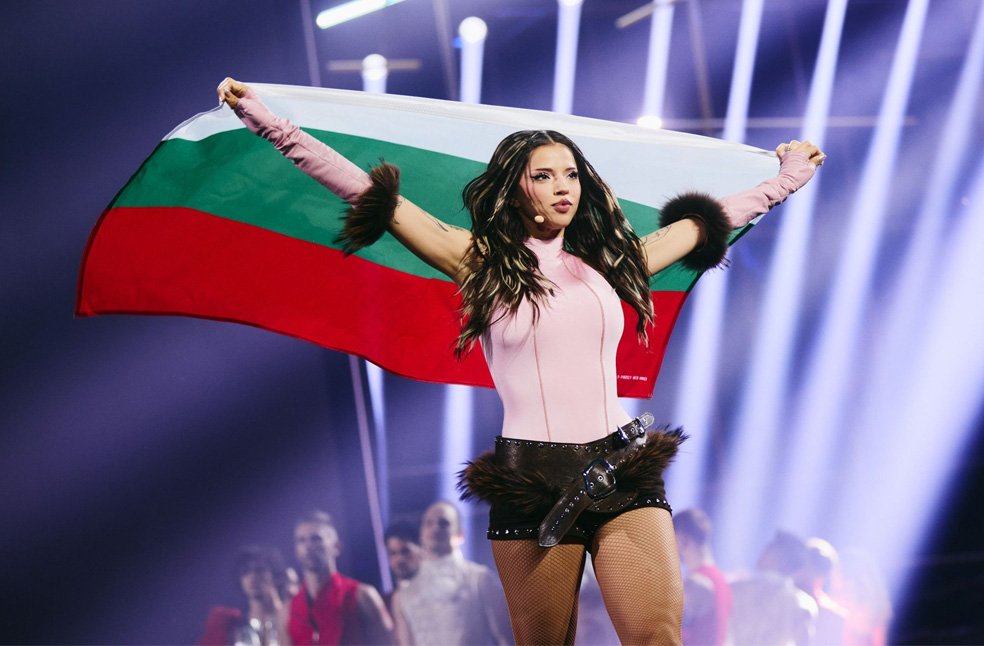
Around 10,000 spectators attended the grand final at the Wiener Stadthalle, while television audiences worldwide were expected to exceed 100 million viewers. This marked the third occasion Austria hosted the contest.
The final featured performers from 25 countries, including the return of Bulgaria, Moldova, and Romania after previous absences. However, the anniversary celebrations also unfolded amid controversy, as five nations boycotted the event in protest over Israel’s continued participation while the war in Gaza continues.
Voting rules were also adjusted this year, allowing fans to cast up to 10 votes instead of the previous limit of 20. Viewers were permitted to vote for the same act multiple times, although they were not allowed to vote for their own country’s entry.
ALSO READ | Ebola outbreak declared in eastern DR Congo’s Ituri province
