


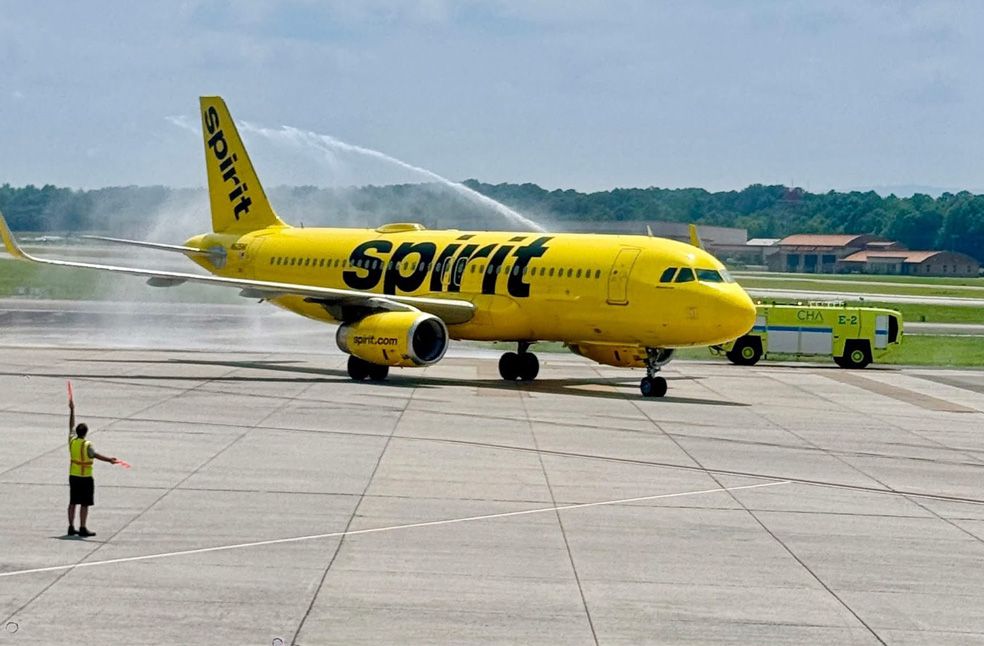
Washington: Spirit Airlines has announced it will cease operations after failing to secure a $500 million (£368 million) bailout from the administration of Donald Trump.
The budget carrier confirmed on May 2 that it has begun an immediate and orderly wind-down of its business, expressing “great disappointment” over the outcome.
The airline had been in discussions with the US government over a potential rescue package that could have prevented its collapse. However, negotiations ultimately broke down despite earlier optimism that an agreement would be finalised by the end of April.
— Spirit Airlines (@SpiritAirlines) May 2, 2026
Spirit Airlines stated that all upcoming flights have been cancelled, and customers holding tickets are unlikely to receive refunds through the airline as part of the shutdown process.
Passengers may instead need to seek reimbursements through their credit card providers for unfulfilled bookings. Additionally, the airline confirmed that its customer service operations have been discontinued.
The company had been attempting to recover from its second bankruptcy filing in recent years. While restructuring efforts were underway, including reducing flight schedules and fleet size, a sharp increase in jet fuel price, triggered by geopolitical tensions linked to the US-Israel conflict involving Iran, placed further financial strain on the airline.
Fuel expenses, which can account for up to 40 percent of an airline’s costs, have surged significantly, with prices reportedly doubling since late February. According to Savanthi Syth, an airline analyst at Raymond James, the spike in fuel costs proved to be ‘the final nail in the coffin’ for the struggling carrier.
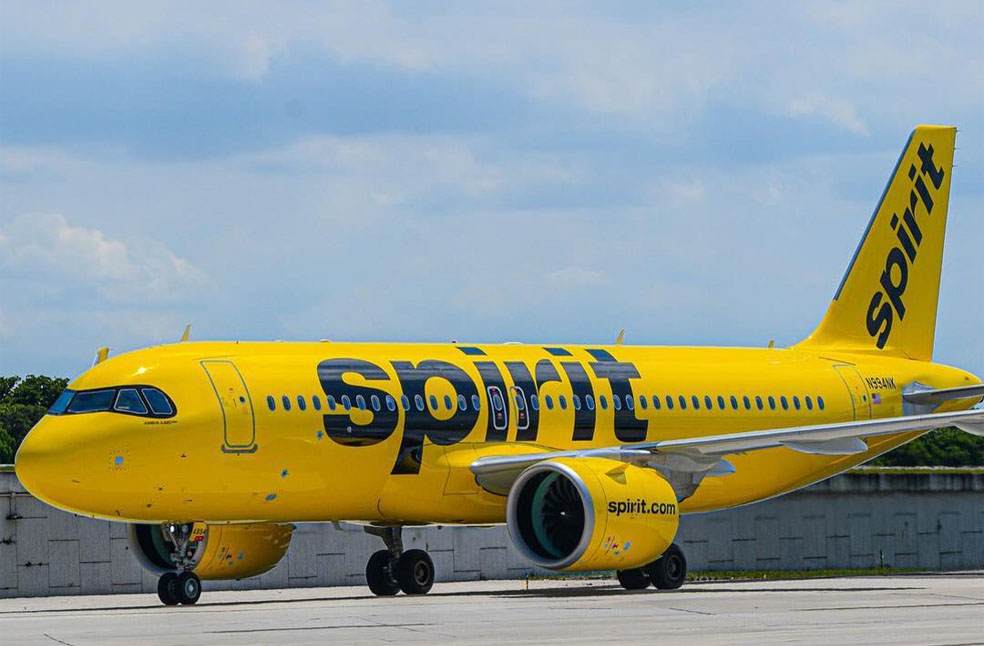
Syth noted that while Spirit Airlines had begun making necessary adjustments during its latest restructuring phase, its long-term viability remained uncertain even before the recent crisis. The analyst added that without the surge in fuel costs, the airline might have managed to continue operations through the summer, though its future would still have been fragile.
The proposed bailout plan, which could have resulted in the US government taking up to 90 percent ownership of the airline, faced strong opposition from Wall Street, Capitol Hill, and members of the administration itself.
US Transportation Secretary Sean Duffy criticised the proposal, describing it as an attempt to invest ‘good money after bad.’ The broader aviation sector has also been grappling with rising operational costs, with some airlines reducing routes or increasing fares to cope.
Meanwhile, the International Energy Agency has warned that Europe could face jet fuel shortages within weeks, underscoring the ongoing volatility in global energy markets.
ALSO READ | King Charles arrives in Bermuda after US State visit
