


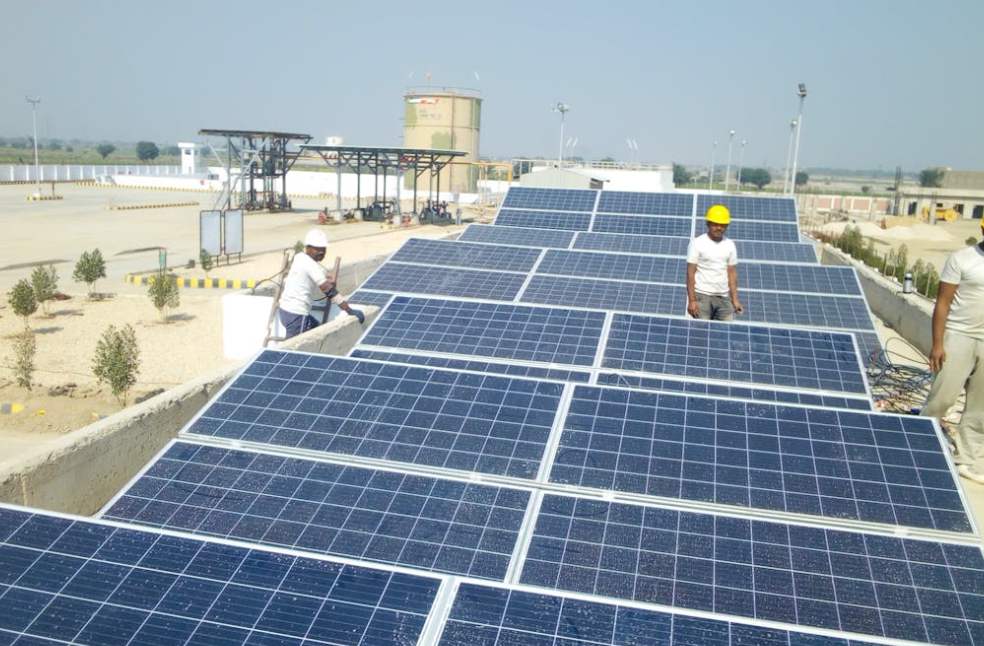
New Delhi: India is expected to face a significant shortage of solar cells as new regulations mandating the use of locally produced components come into force from June. Industry bodies have warned that the move could disrupt clean energy projects and increase costs.
According to the North India Module Manufacturer Association, the country’s solar cells production capacity stands at around 25.6 gigawatts, while demand is close to 50 gigawatts. The gap has been largely filled by imports, with over 90 percent of supply coming from China.
The new rules require developers to use domestically produced solar cells, adding pressure on an already constrained supply chain. While India has previously mandated locally made modules, many of these rely on imported cells, creating a mismatch under the updated policy.
Industry representatives have raised concerns that immediate enforcement could lead to shortages, delays and rising module prices. They have suggested a phased implementation, noting that nearly 50 gigawatts of new capacity is under development and expected to become operational within a year.
The issue is further complicated by the quality of existing domestic production. A large portion of locally manufactured solar cells uses older technology, which is less suitable for modern renewable energy projects.
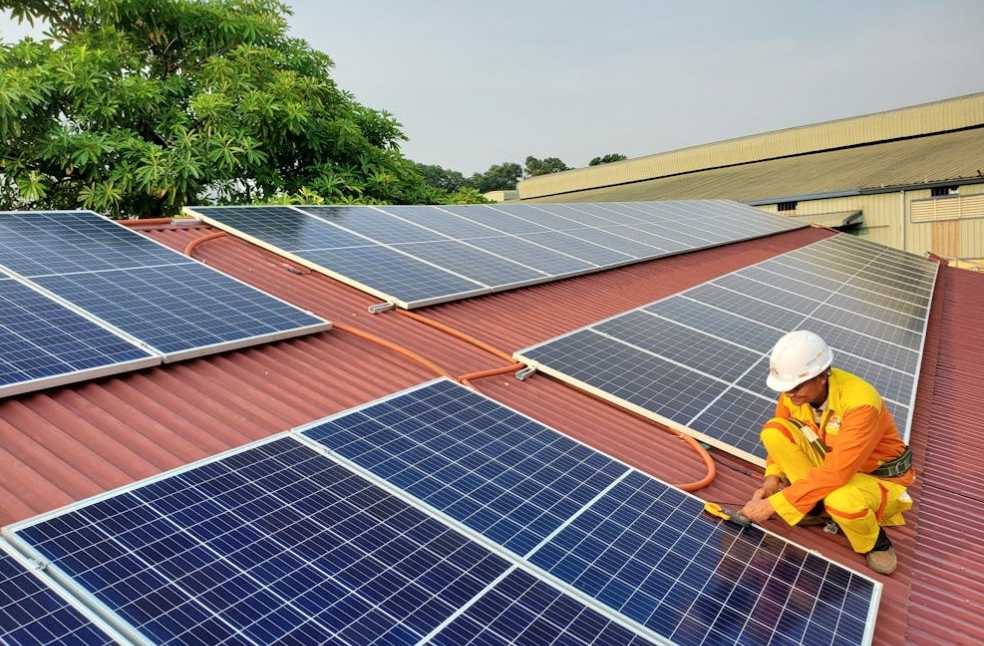
Manufacturers, including Solex Energy and Rayzon Solar, have also warned that the mandate could affect the broader manufacturing ecosystem. India currently has around 170 gigawatts of module manufacturing capacity that depends on a steady supply of compatible cells.
The shortage risk comes at a critical time, as India continues to expand solar power to meet its long-term climate goals, including achieving net zero emissions by 2070.
Experts have indicated that disruptions in solar cells supply could slow project execution and impact renewable energy targets. Rising costs may also affect investment decisions in the sector.
Industry bodies have urged the government to consider a more gradual rollout to allow domestic production to scale up and align with demand.
The coming months will be crucial in determining how the policy affects India’s clean energy transition and whether supply challenges can be addressed in time.
YOU MAY LIKE | Bayern Munich seal Bundesliga title with Stuttgart win
