


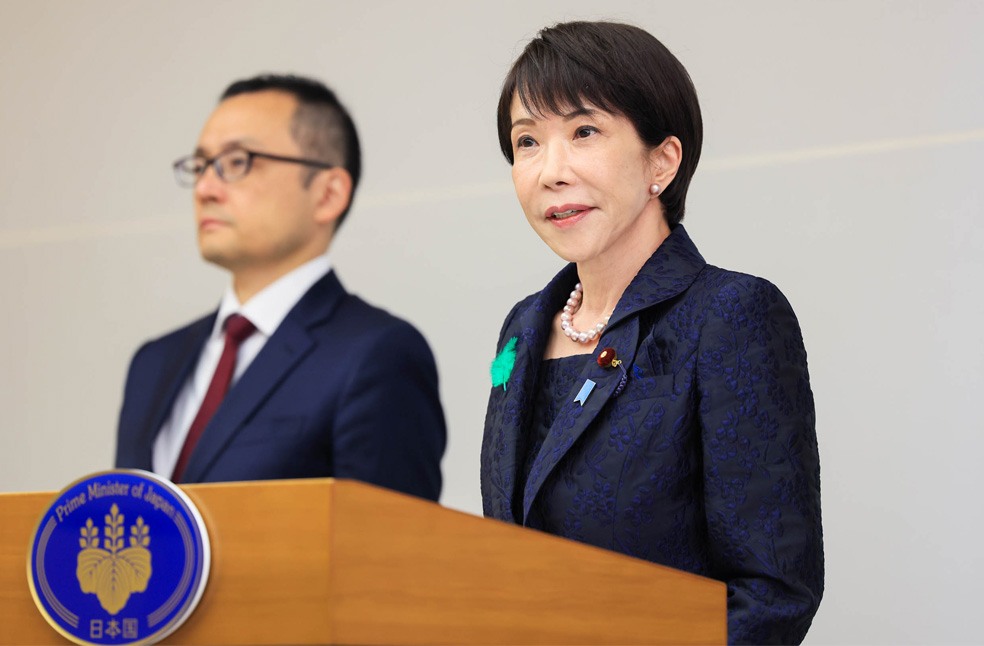
Tokyo: Japan has moved to relax long-standing restrictions on arms exports, allowing it to sell weapons to more than a dozen partner nations. The decision marks a significant shift in Tokyo’s defence approach, moving away from the strict pacifist stance that has defined its policies since the end of World War II, and comes amid rising regional tensions.
Under the revised framework, previous limits that confined exports to non-lethal categories such as rescue, transport, surveillance, warning, and minesweeping equipment have been lifted. This change enables Japan to export lethal weapons to 17 countries with which it maintains defence agreements, including the United States and the United Kingdom.
While a ban on arms sales to countries actively engaged in conflict remains in place, officials indicated that exceptions could be made under special circumstances. Prime Minister Sanae Takaichi stated that the evolving global security environment requires closer cooperation among nations, noting that no country can ensure its security alone.
At the same time, she reaffirmed Japan’s continued commitment to its identity as a peace-loving nation and pledged that all export decisions would be made with strict oversight.
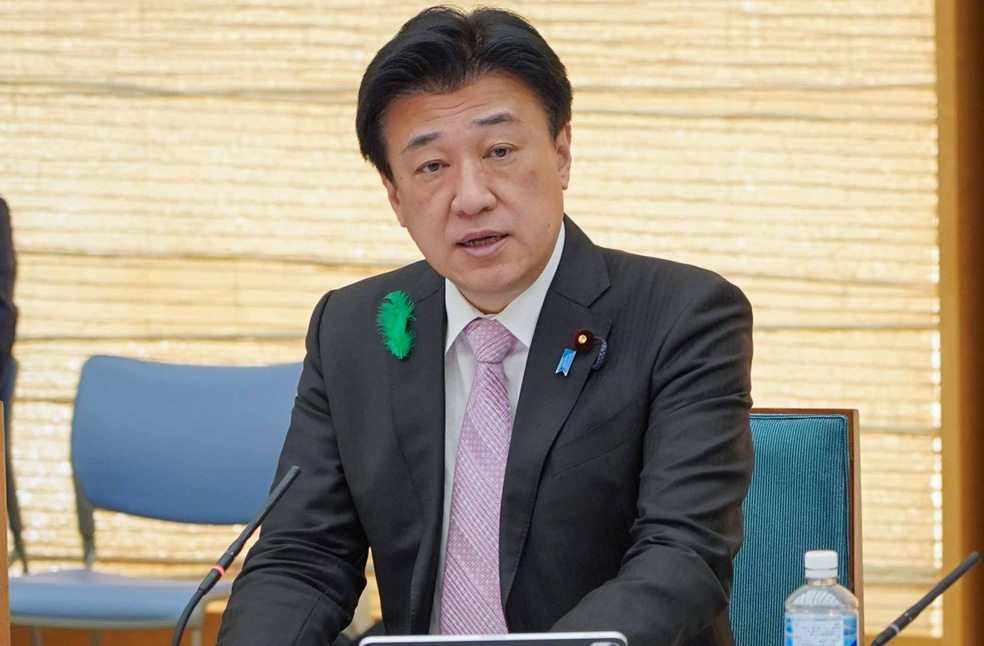
Chief Cabinet Secretary Minoru Kihara described the move as a step to strengthen Japan’s security while contributing to regional peace and stability. The announcement has drawn criticism from China, which expressed strong concern and accused Japan of pursuing ‘reckless militarisation.’
The development coincides with Japan’s Self-Defence Forces participating as combatants for the first time in joint military exercises with the United States and the Philippines. These drills are being held in areas close to disputed waters and islands claimed by Beijing, including regions near Taiwan.
China considers Taiwan a breakaway province and has not ruled out using force to assert control. Tensions have been further heightened by earlier remarks from Takaichi suggesting Japan could deploy its Self-Defence Forces in response to any Chinese attack on Taiwan.
Meanwhile, South Korea urged Japan to ensure its defence policies align with the spirit of its pacifist constitution while promoting regional stability. Historical sensitivities remain, as Korea was under Japanese colonial rule from 1910 until the end of World War II, a period marked by forced labour and wartime abuses.
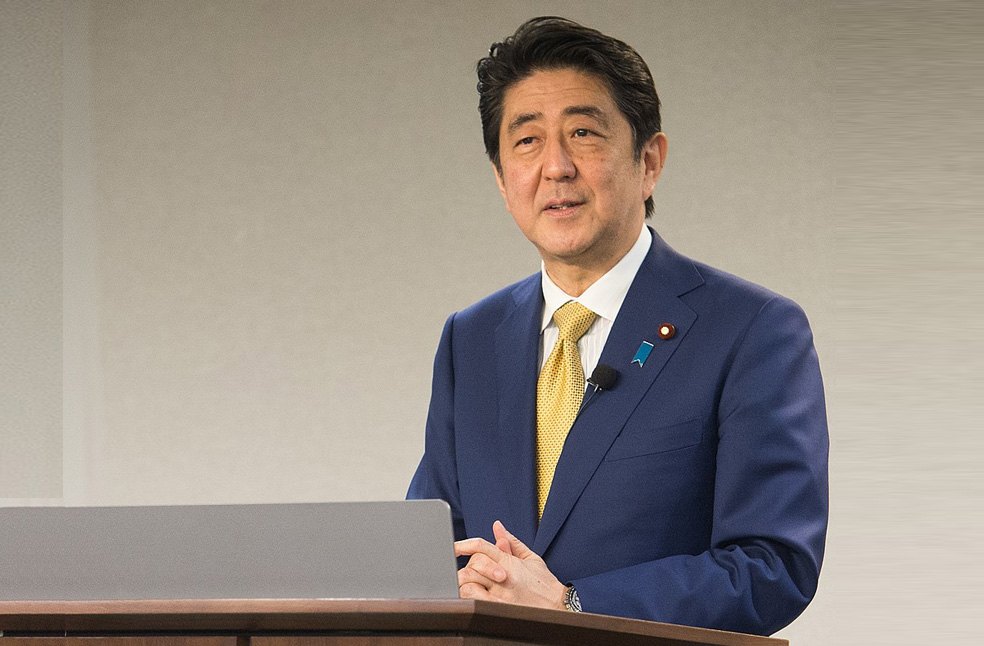
Japan’s pacifist stance is rooted in its 1947 constitution, which renounced war and prohibited maintaining military forces for combat purposes. However, this approach has gradually evolved in recent years.
In 2014, former Prime Minister Shinzo Abe eased restrictions to allow joint defence development with allies, and in 2023, former Prime Minister Fumio Kishida permitted exports of finished lethal weapons for the first time since the war.
Takaichi has also voiced support for revising the constitution, particularly Article 9, which renounces war. Supporters argue that Japan must adapt to a changing security landscape shaped by neighbouring powers such as China, Russia and North Korea.
Critics, however, warn that these changes could move Japan closer to becoming a fully militarised nation and increase the risk of involvement in future conflicts.
MOST READ | Lyrid Meteor Shower returns to light up spring skies
