


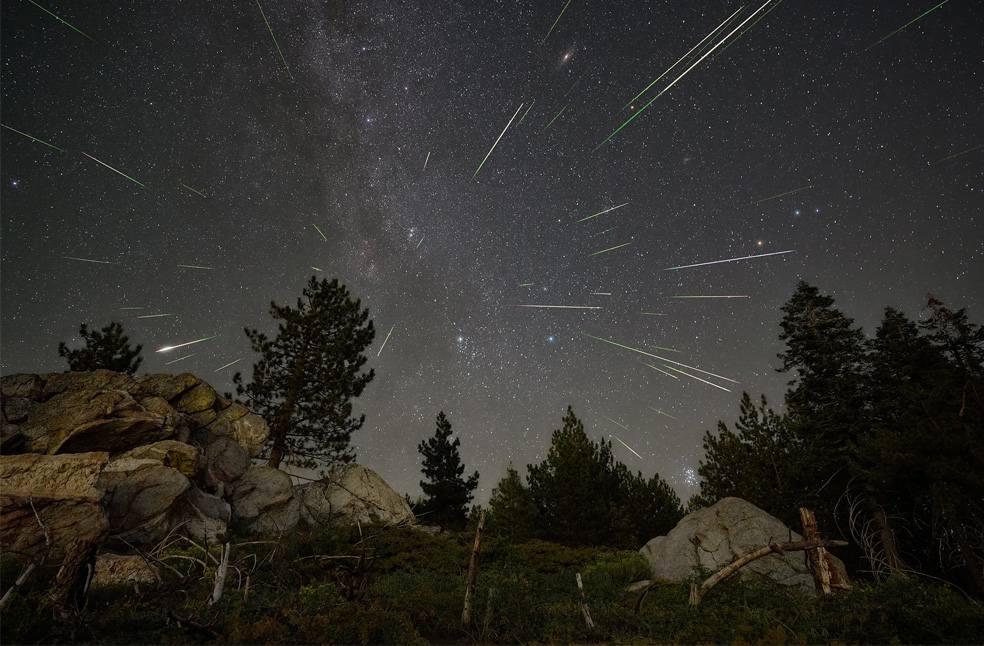
London: The annual Lyrid meteor shower is set to illuminate the night sky once again as it returns this spring. Active since April 16, the celestial display is expected to peak between the late evening of April 22 and the early hours of April 23.
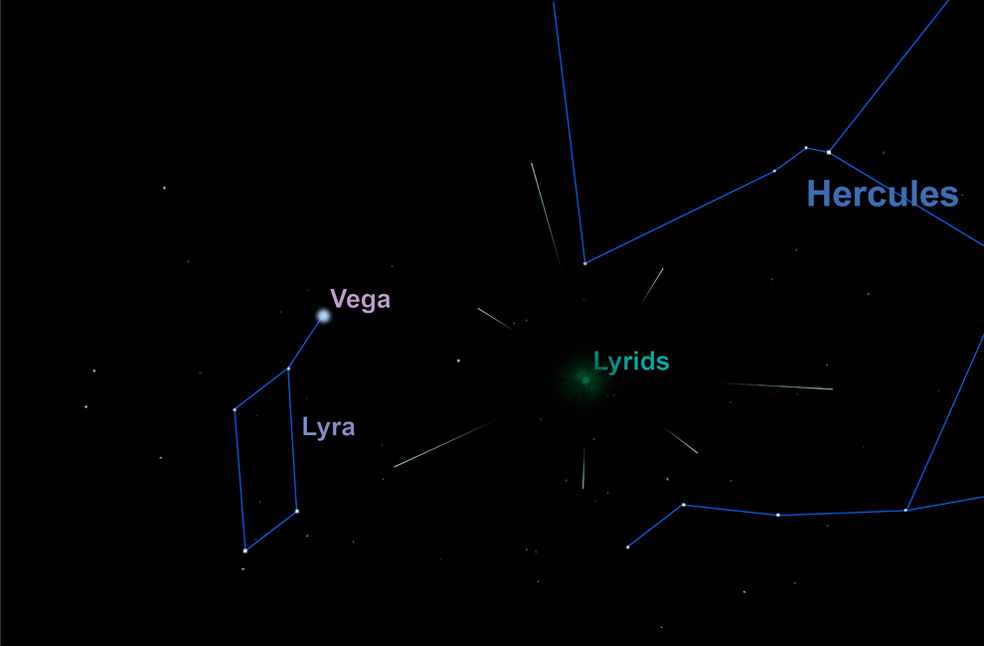
The meteors appear to originate from a point known as the radiant in the constellation of Lyra, near the bright star Vega. From this location, streaks of light fan out across the sky, with peak activity producing up to 18 meteors per hour. These meteors are typically bright, fast, and sometimes leave behind smoky trails that linger briefly.
The Lyrids are among the oldest recorded meteor showers, with sightings dating back to 687 BC. Scientists have linked their origin to Comet Thatcher, discovered in 1861. The meteors themselves are fragments of debris from the comet’s tail that burn up upon entering Earth’s atmosphere.
The best viewing conditions occur after midnight, once the sky is darkest. Observers should allow 20 to 30 minutes for their eyes to adjust to low-light conditions for optimal visibility. While the northern hemisphere offers the best vantage point, visibility in the southern hemisphere is more limited due to the radiant sitting lower in the sky.
Tips for viewing Lyrid meteor shower
To enhance the experience, viewers are advised to look slightly away from the Lyra constellation to catch longer and more visible meteor streaks. It is also important to avoid city lights and focus on the darkest part of the sky. Open areas such as fields, beaches, or hills provide better viewing opportunities, offering a wider and clearer view of the sky.
Additionally, avoiding mobile phone use during observation helps maintain night vision. Patience is key; spending more time watching the sky increases the chances of spotting more meteors. Staying comfortable while observing can also make the experience more enjoyable and rewarding.
MOST READ | UK unveils £40mn Queen Elizabeth Trust ahead of centenary
