



Washington: The expansion of US visa restrictions has been announced by the US State Department, targeting individuals believed to support adversaries undermining American interests in the Western Hemisphere. The measure has already affected at least 26 individuals whose visas have been revoked.
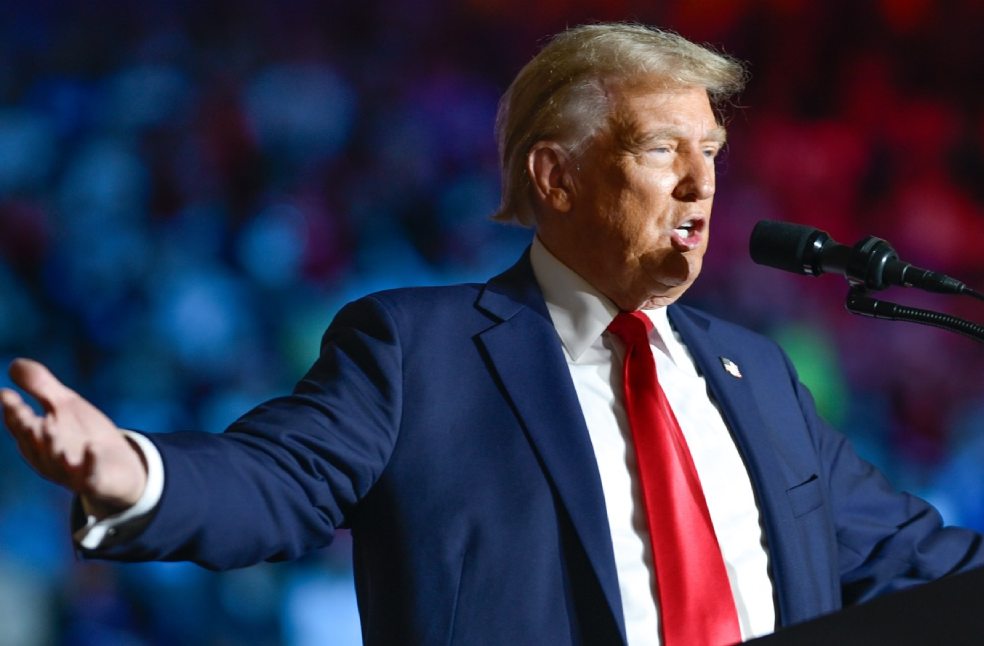
The policy has been introduced as part of broader efforts by Donald Trump to strengthen US influence across the region. The administration has linked the move to concerns over geopolitical competition and regional security challenges.
Under the new framework, the US visa restrictions apply to individuals who are considered to be involved in activities that support rival powers. These activities include facilitating control over strategic assets, undermining economic interests and contributing to instability within the region.
Officials have not named specific countries in the announcement, but the policy has been widely viewed as part of a broader strategy to counter growing influence from global competitors, particularly in Latin America.
The US visa restrictions have been enforced under provisions of the Immigration and Nationality Act, which allows authorities to deny entry to foreign nationals deemed to pose adverse foreign policy consequences.
The move has also followed earlier actions taken by the administration to revoke visas for individuals linked to political activism or foreign governments. Past cases have included officials and figures from Latin America, as well as individuals with ties to Iran.
Analysts have noted that the expanded restrictions reflect a more assertive approach to foreign policy, combining immigration controls with geopolitical strategy. The policy has been described as part of a wider effort to exert pressure on foreign actors and influence regional dynamics.
The administration has emphasised that the US visa restrictions are intended to protect national interests and strengthen security, particularly in relation to economic and strategic concerns.
The decision has drawn attention internationally, with observers highlighting its potential impact on diplomatic relations and cross-border engagement.
The broader implications of the policy are expected to unfold in the coming months, as enforcement expands and responses from affected countries emerge.
ALSO READ | Supertankers cross into Gulf despite US naval blockade
