



London: New research has found that air pollution is accelerating the age at which people in the UK develop long-term health conditions, with some illnesses appearing more than two years earlier due to exposure to polluted air.
The study, led by researchers from Sun Yat-sen University under Prof Hualiang Lin’s group, highlights that air pollution acts as a “silent accelerator,” reducing the number of healthy years individuals experience.
Drawing on up to 15 years of health data, researchers analysed records from 396,000 participants in the UK Biobank, tracking the onset of 78 different illnesses. The dataset included more than 900,000 hospital admissions.
Participants, aged between 39 and 70 when they joined the Biobank between 2006 and 2010, had provided detailed personal information such as smoking habits, alcohol consumption, age, and socioeconomic status, allowing researchers to account for these factors in their analysis.
The findings revealed that air pollution is strongly linked to the earlier development of a wide range of chronic diseases affecting nearly every major organ system. Researchers noted particularly strong impacts on neurological and psychiatric conditions.
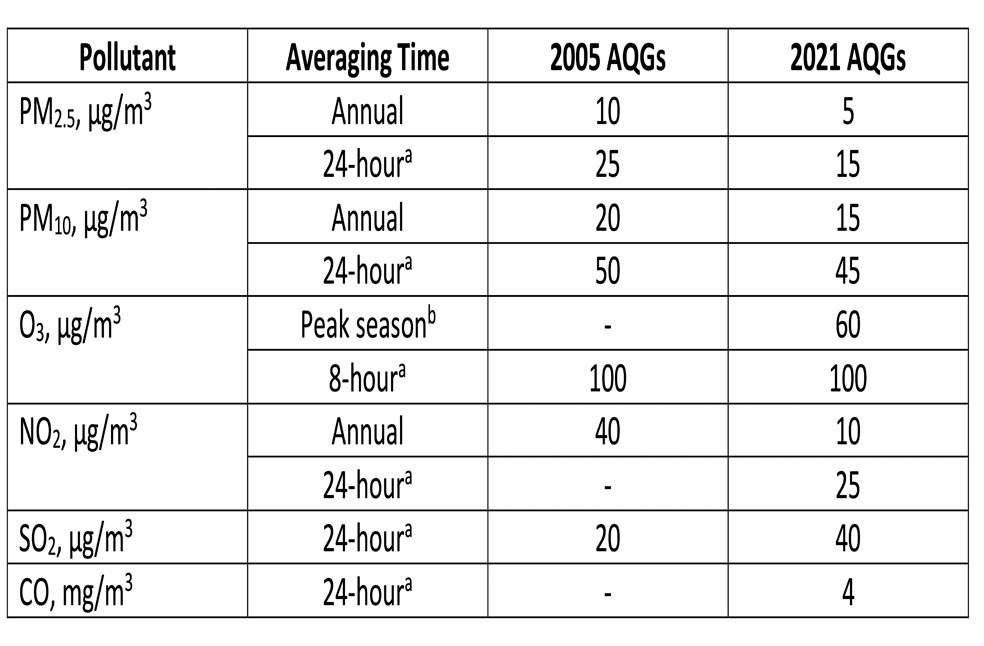
These included disorders such as schizophrenia, Parkinson’s disease, dementia, and dystonia, a condition characterised by involuntary and often painful muscle spasms. The team also modelled how many illnesses could have been delayed if pollution levels in the UK had met the 2021 guidelines set by the World Health Organization.
Using an analytical approach known as the Accelerated Failure Time model, researchers were able to estimate how air pollution effectively reduces healthy lifespan. Their analysis suggested that the 360,000 individuals included in this part of the study could have collectively experienced 539,000 fewer years of illness if pollution levels were lower.
On average, this would translate to just over one additional year of healthy life per person, although the benefits would vary across populations.

Reducing exposure to particle pollution could delay the onset of several conditions by at least six months, including schizophrenia, bone fractures, high blood pressure, and diabetes. The most significant overall health gains would be seen in common conditions such as asthma, diabetes, thyroid disorders, and hypertension, which are all strongly influenced by air quality.
Researchers emphasised that lowering pollution levels could significantly delay multiple diseases, reduce pressure on healthcare systems, and help maintain economic productivity.
Dr. Amy Ronaldson from King’s College London, who was not involved in the study, said the findings build on earlier research showing that people exposed to higher pollution levels are more likely to develop multiple chronic conditions.
Experts say tackling air pollution is essential to reducing health inequalities, easing strain on healthcare services like the NHS, and improving overall public health outcomes.
MOST READ | Stella McCartney teams up with H&M with sustainable line
