


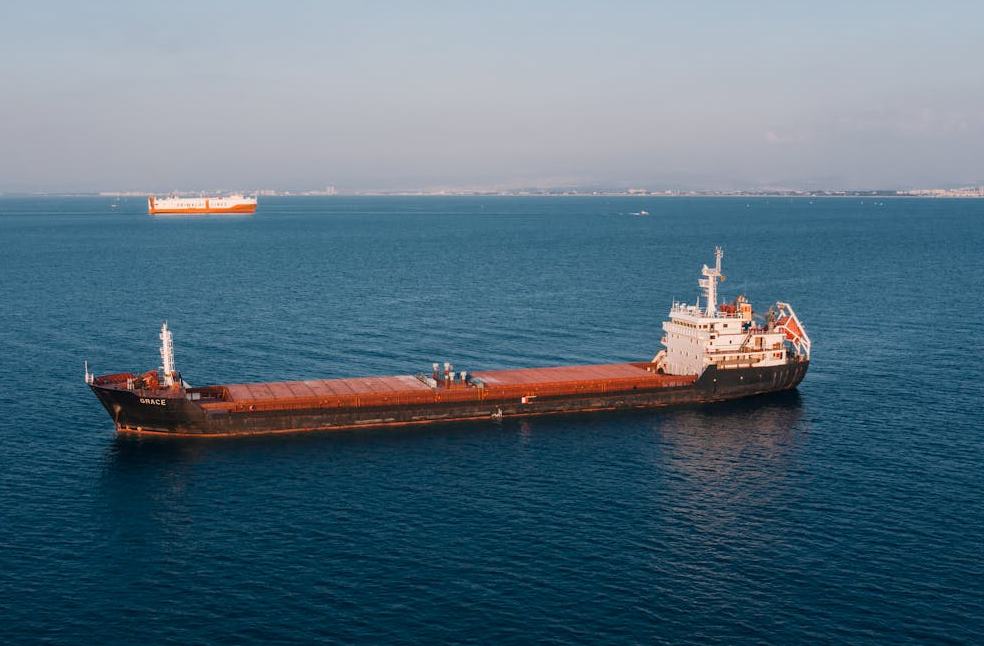
Washington: The Iran ports blockade has been announced by the United States following the collapse of high-level negotiations aimed at ending the conflict.
The move has signalled a sharp escalation, with US forces preparing to restrict maritime traffic to and from Iranian coastal areas.
According to US Central Command, the blockade will apply to all vessels entering or exiting Iran ports, regardless of nationality. The operation is expected to begin at a specified time and will cover key locations along the Arabian Gulf and Gulf of Oman.
The decision has come after talks in Islamabad failed to produce an agreement, despite being the first direct engagement between the two sides in more than a decade. The breakdown has increased uncertainty around an already fragile ceasefire.
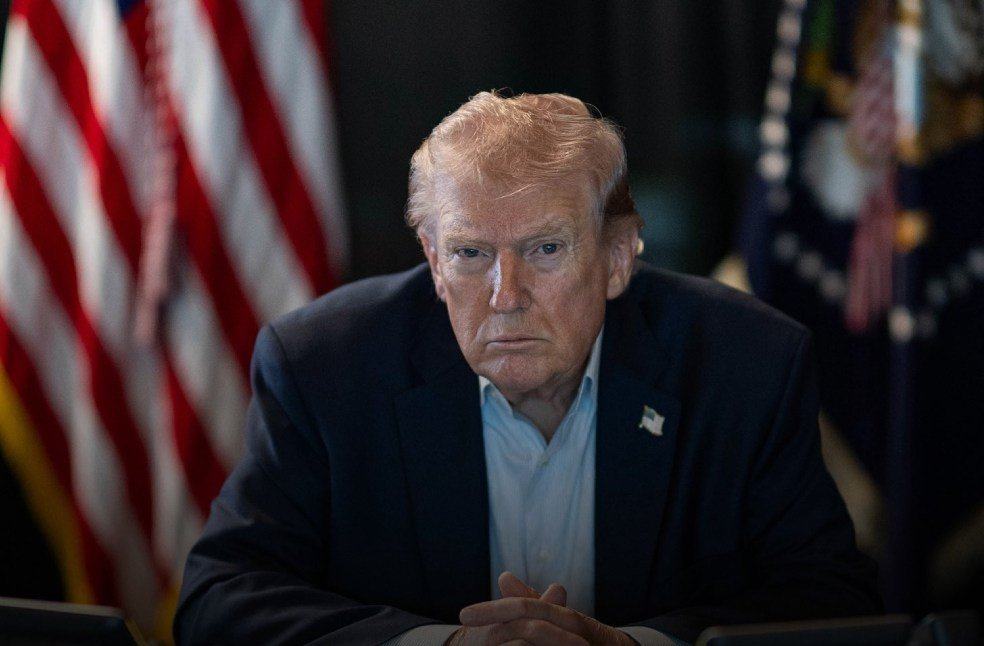
Donald Trump has indicated that additional enforcement measures may include intercepting vessels linked to Iranian trade. The move has raised concerns among global shipping operators and energy markets.
The Iran ports blockade is expected to have a significant impact on global trade, particularly energy supplies. Iran is a key exporter of oil, and disruptions could tighten global supply and push prices higher. Analysts have warned that millions of barrels per day could be affected.
The Strait of Hormuz, a crucial maritime chokepoint, has remained central to the situation. While vessels travelling to non-Iranian destinations may still pass through, the broader restrictions on Iran ports could reduce overall traffic and increase risks in the region.
Iran has responded strongly to the announcement. The Islamic Revolutionary Guard Corps has warned that any military presence near the region could be treated as a violation of the ceasefire, raising the risk of confrontation.
The failure of negotiations and the subsequent blockade have increased fears of renewed fighting in the Gulf, with global markets closely monitoring developments.
The situation has underscored the strategic importance of Iran ports in global energy and trade networks. The coming days are expected to be critical, as both sides assess their next steps following the breakdown in diplomacy and the implementation of the blockade.
MOST READ | Why solo dating is becoming a growing lifestyle trend
