


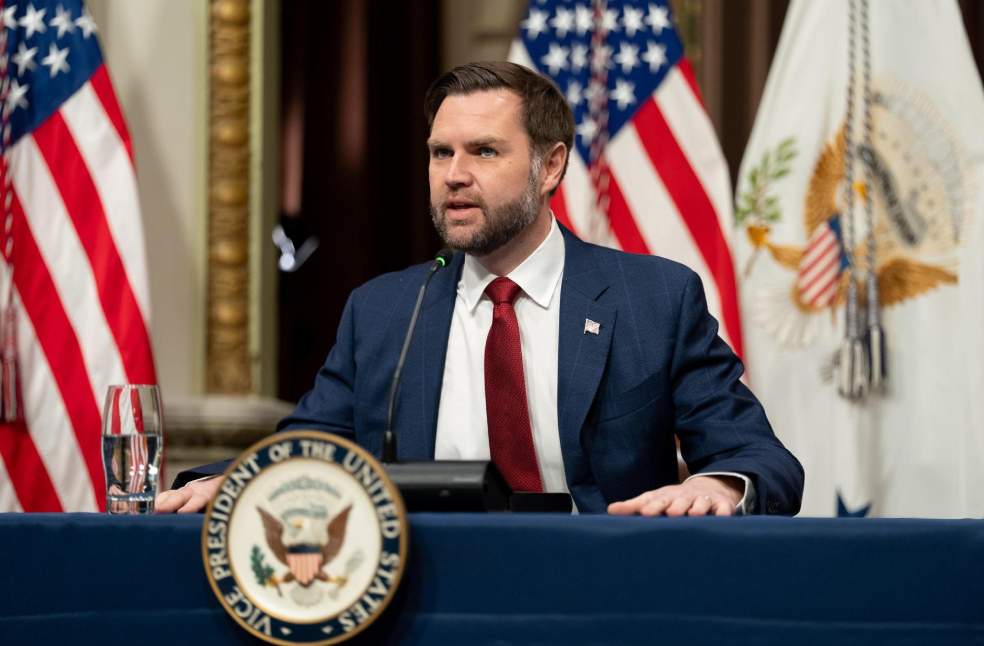
Islamabad: High-stakes talks between the United States and Iran have ended without an agreement after 21 hours of negotiations in Islamabad, highlighting persistent divisions over nuclear commitments and regional security.
JD Vance, who led the American delegation, said Tehran had refused to accept Washington’s terms. Speaking to reporters before departing Pakistan, he stressed that the lack of agreement was bad news for Iran much more than it’s bad news for the United States.
Vance reiterated that the US is seeking a ‘fundamental commitment’ from Iran to abandon any pursuit of nuclear weapons. Vance emphasised the need for clear assurances that Tehran would neither develop such weapons nor acquire the capabilities to rapidly produce them.
Vice President JD Vance gives an update in Pakistan:
“The simple fact is that we need to see an affirmative commitment that they will not seek a nuclear weapon, and they will not seek the tools that would enable them to quickly achieve a nuclear weapon.” pic.twitter.com/il4THN5DwV
— The White House (@WhiteHouse) April 12, 2026
Iran, however, played down expectations of an immediate breakthrough. Foreign Ministry spokesperson Esmaeil Baghaei said it was unrealistic to expect a deal in a single round of talks, according to state broadcaster IRIB. Esmaeil Baghaei added that diplomatic engagement would continue, including coordination with regional partners.
Pakistan, which hosted and mediated the talks, urged both sides to maintain momentum. Foreign Minister Ishaq Dar called on Washington and Tehran to uphold the ceasefire and pursue a durable peace, expressing appreciation for their willingness to engage in dialogue.
The talks come against the backdrop of a wider regional conflict that began on February 28, when the US and Israel launched military operations against Iran. Tehran responded with retaliatory strikes targeting Israel and Gulf states hosting US military assets. The escalation has reportedly resulted in over 2,000 deaths and extensive damage to both military and civilian infrastructure.
The conflict has also triggered a global energy shock after Iran disrupted traffic through the Strait of Hormuz, a critical route for roughly 20 percent of global oil and gas exports.
Delegations led by Vance and Iranian Parliament Speaker Mohammad Bagher Qalibaf discussed ways to sustain a fragile ceasefire. However, progress remains uncertain amid ongoing disagreements and continued Israeli military actions against Hezbollah in Lebanon.
Despite the lack of a deal, both sides signalled that diplomatic channels remain open, with further negotiations expected in the coming weeks.
POPULAR | Gunmen kill 11 civilians at picnic spot in western Afghanistan
