


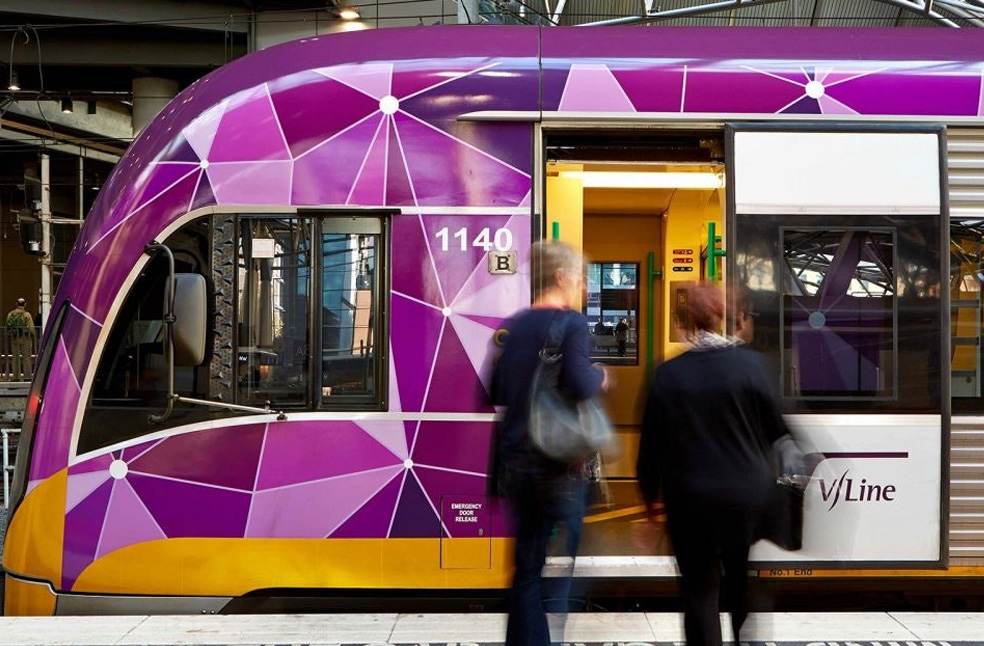
Sydney: Australia’s states have taken differing approaches to the ongoing fuel crisis, with Victoria and Tasmania introducing free public transport, while New South Wales (NSW) and Western Australia (WA) have decided to continue charging fares.
The Victorian government, led by Premier Jacinta Allan, announced that all metro and regional trams, trains, and V/Line buses will be free from March 31 until the end of April. The measure, estimated to cost about $71 million in lost revenue, is designed as a temporary step to reduce fuel demand and encourage people to switch from driving to public transport.
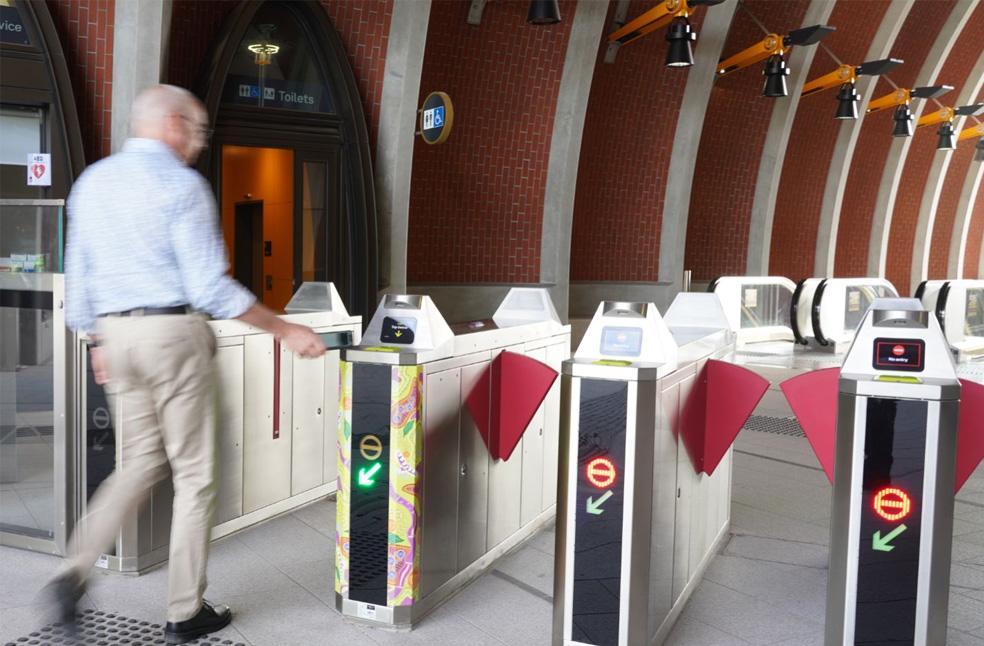
During this period, Myki ticket gates will remain open, and passengers will not need to tap on. Those who accidentally tap will not be charged, and any incorrect charges will be refunded.
Myki passes, including yearly passes, will be automatically paused and will resume after April. For V/Line coach services outside the Myki network, passengers must still book a free ticket to secure a seat, while train travel outside the Myki network will not require a ticket.
In Tasmania, Premier Jeremy Rockliff announced that buses and Derwent River ferry services will be free statewide from March 30 until July 1. Transport Minister Kerry Vincent noted that commuters could save between $20 and $88 per week under the initiative.
Meanwhile, NSW Transport Minister John Graham confirmed that the state would not introduce free transport, stating that the crisis is likely to last longer than a month and that the government needs to ‘keep our powder dry’ to support the broader economy over time.
Graham emphasised that fare revenue collected daily would continue to be reinvested into maintaining and improving transport services. He also clarified that NSW was not criticising other states for adopting different strategies.
The fuel crisis has been triggered by an energy shock linked to conflict in the Middle East, leading to significant increases in petrol and diesel prices and causing shortages in some parts of Australia. Since late February, average weekly fuel costs have risen by at least $20 for households using around 35 litres of fuel.
At the federal level, David Pocock and the Australian Greens have called for free public transport nationwide in response to the crisis. However, recent analysis indicates that despite higher fuel costs, Australians have not yet significantly reduced car usage or increased reliance on public transport.
Victoria’s Public Transport Minister Gabrielle Williams said that the system is prepared for increased demand, with thousands of additional services already added to the network. She noted that a rise in patronage across trains, buses, and trams is expected during the free travel period.
Premier Allan emphasised that the initiative is a short-term measure aimed at easing cost-of-living pressures and reducing reliance on fuel. Allan acknowledged it would not solve all challenges but described it as an immediate step to support residents while the government continues to explore long-term solutions to improve affordability.
Overall, while Victoria and Tasmania are offering immediate relief through free public transport, NSW and WA are opting for a more cautious, long-term approach, reflecting differing strategies in managing the nationwide fuel crisis.
MOST READ | Pope Leo begins historic Monaco visit after 488 years gap
