


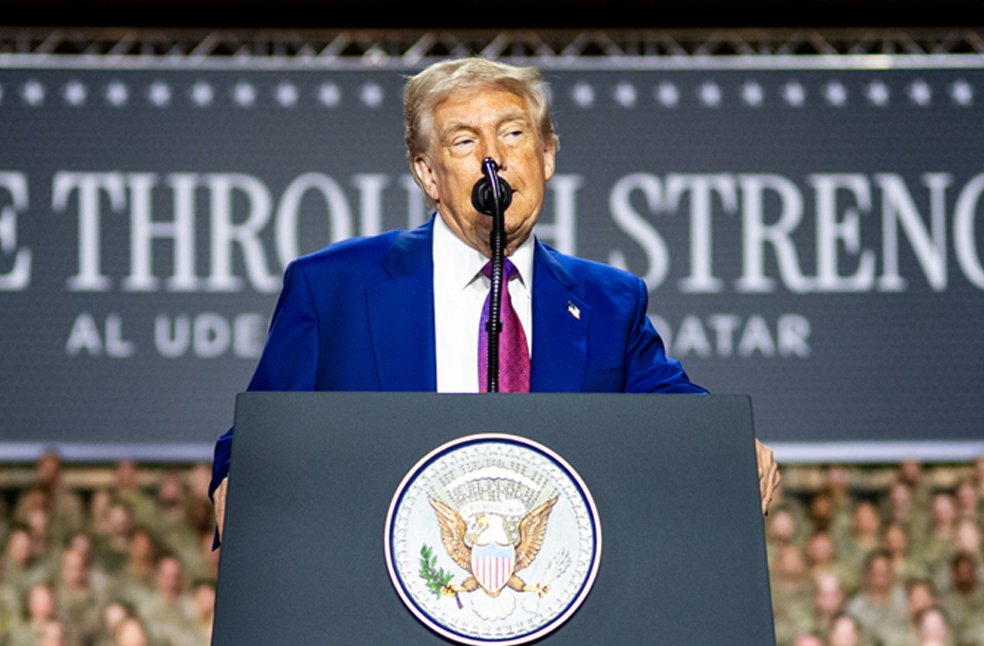
Washington DC: US President Donald Trump has officially delayed the imposition of higher tariffs on American imports, extending the timeline for implementation.
At the same time, he has issued fresh warnings to 14 countries, including Japan, South Korea, Myanmar, Laos, Thailand, Cambodia, Serbia, Bangladesh, Indonesia, South Africa, Malaysia, and Tunisia, about new trade levies scheduled to begin on 1 August.
This move follows the expiration of a 90-day pause on aggressive US import taxes, which was initially introduced to allow room for trade negotiations.
Initially, the increased tariffs were scheduled to take effect on 9 July, but the White House opted for an extension to allow further negotiations.
Trump reiterated his threat of a 25 percent tariff on imports from Japan and South Korea, while outlining a wide range of new tariffs to other countries, 40 percent on Myanmar and Laos, 36 percent on Thailand and Cambodia, 35 percent on Serbia and Bangladesh, 32 percent on Indonesia, 30 percent on South Africa, and 25 percent on Malaysia and Tunisia.
The president publicly shared these letters on social media, informing world leaders of the potential tariffs, while stating that the rates could still be adjusted “upward or downward, depending on our relationship with your country.”
The President noted that although 1 August is a ‘firm’ deadline, it is not “100 percent firm,” leaving room for continued talks. “If they call up and they say we’d like to do something a different way, we’re going to be open to that,” Trump said.
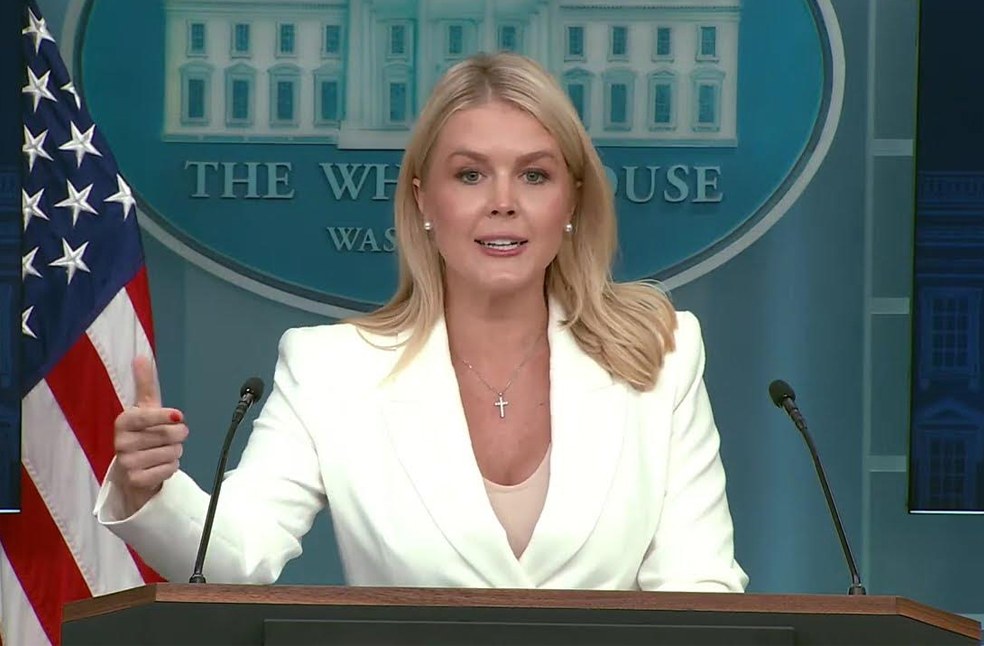
White House Press Secretary Karoline Leavitt confirmed that additional letters might be issued soon and defended the administration’s firm stance, dismissing concerns that moving the tariff date weakened their impact. “The president’s phone rings off the hook from world leaders all the time who are begging him to come to a deal,” Leavitt said.
Treasury Secretary Scott Bessent echoed that sentiment, saying a flurry of proposals had been received, and added that, “My mailbox was full last night with a lot of new offers, a lot of new proposals.” Bessent anticipates ‘a busy couple of days’ as discussions intensify.
Trump first introduced the tariff threats in April under what he called a ‘Liberation Day’ strategy, suspending some of the steepest duties to allow room for diplomacy while keeping a 10 percent levy in place. Trump’s administration argues that these measures will protect US industries from unfair foreign trade practices, boost domestic manufacturing, and safeguard American jobs.
However, many economists disagree, warning that such tariffs will likely increase consumer prices, reduce overall international trade, and create volatility in financial markets. Indeed, the US stock market reacted negatively to the latest developments, with all three major indexes declining on Monday and Toyota’s US-listed shares falling by 4 percent.
According to US trade data, Japan exported over $148 billion worth of goods to the US in 2024, making it the country’s fifth-largest source of imports, following the EU, Mexico, China, and Canada. South Korea is also among the top ten import partners.
Response to tariff threats
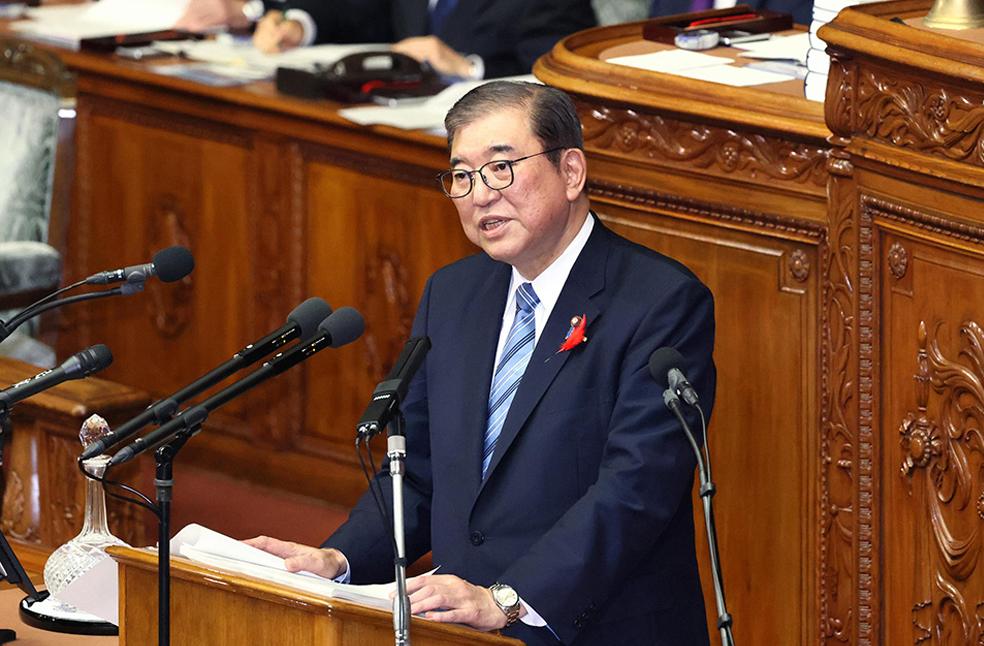
Responding to the renewed tariff threat, Japanese Prime Minister Shigeru Ishiba said that his government would continue efforts to reach a mutually beneficial agreement with the US, calling the tariff increases “deeply regrettable.”
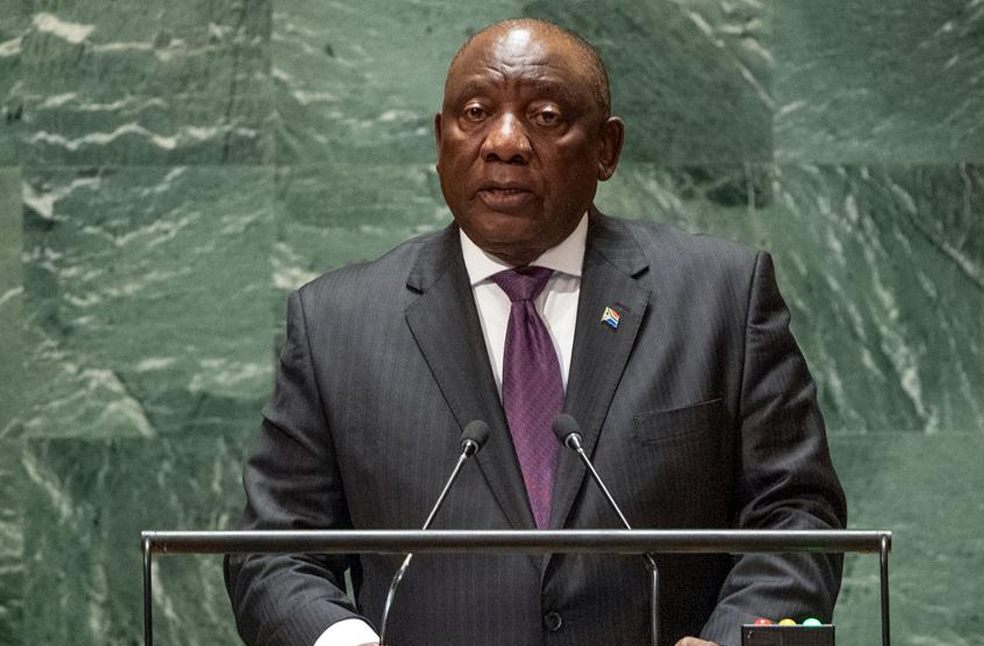
South Korea also stated it would intensify discussions during the extended window. Meanwhile, Thailand’s finance minister expressed confidence in securing a tariff rate on par with similar countries. Elsewhere, South African President Cyril Ramaphosa condemned the planned tariffs on his country, describing them as “unilateral” and unfair.
Trump has also invoked national security concerns to justify tariffs in key industries such as steel and automobiles, and has threatened levies on other sectors, including pharmaceuticals and lumber. These layered trade policies have made negotiations more complex, particularly with Japan and South Korea, where car tariffs remain a major sticking point.
So far, the US has finalised agreements with the UK and Vietnam, and reached a partial deal with China, although each of these involved raising tariffs compared to pre-2025 levels, and many issues remain unresolved. A trade deal with India is reportedly close.
ALSO READ | King Charles urges unity on anniversary of 7/7 London Bombings
