



Sydney: Northern Beaches Council has banned passengers wearing swimwear, including bikinis and going shirtless, from riding its free community bus service after receiving complaints from travellers.
The Hop, Skip and Jump, a daily 30-seat shuttle servicing Manly, Fairlight and Balgowlah, is popular with beachgoers, many of whom board in swimwear straight from the beach. Seven’s Sunrise aired footage of a sign at a Manly stop stating: “Please dress appropriately. Clothing must be worn over swimwear.
In a statement, the council cited legislation allowing drivers to refuse entry to passengers whose clothing is likely to dirty or damage the vehicle, or inconvenience others. A spokesperson noted that this includes wet or sandy swimwear that could affect the cleanliness and comfort of the shared transport environment.
When asked whether dry swimwear would be permitted, the spokesperson said that the drivers cannot determine whether swimwear is wet, meaning passengers must cover up regardless. The swimwear ban quickly drew mixed reactions online after the Sunrise segment was shared on social media.
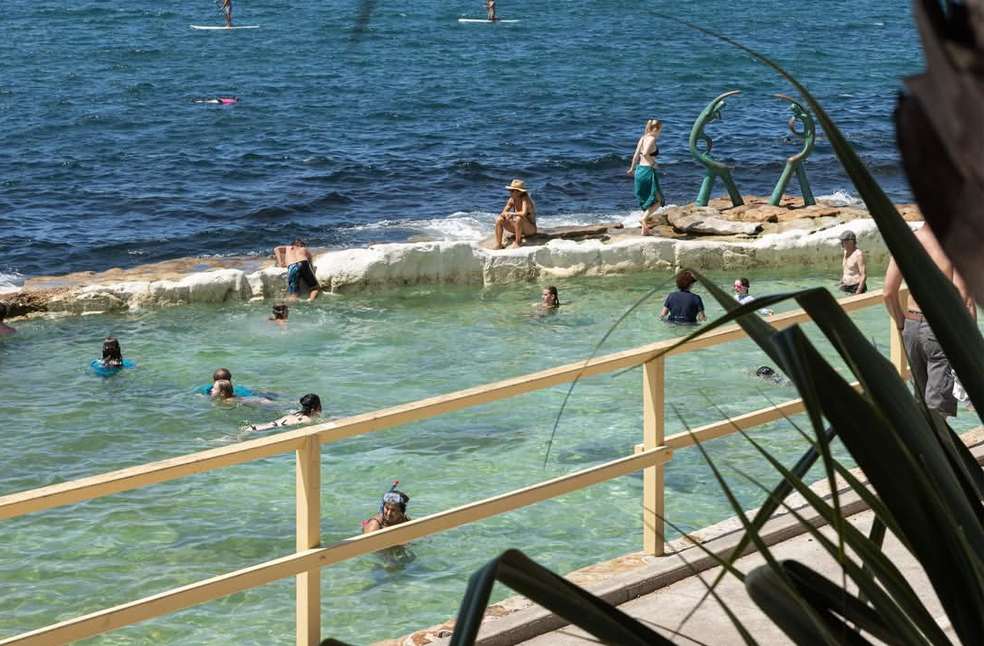
Council or fashion police?
Some criticised the decision as outdated and accused the council of acting like ‘fashion police,’ while others supported rules requiring people to cover their swimwear away from the beach. One commenter suggested complaints were linked to increasingly revealing swimwear styles, including Brazilian-style G-strings.
Deputy Mayor Candy Bingham stated that certain swimwear styles, particularly thong-style bikinis, can be confronting for elderly passengers. The Mayor also pointed to hygiene concerns, saying wet and sandy swimwear leaves bus seats damp and messy.
Lauren Rosewarne, a cultural expert at the University of Melbourne’s School of Social and Political Sciences, said rules about “appropriate” swimwear reflect long-standing societal norms around public presentation. “These views aren’t inherently right or wrong, these are just opinions,” the expert said, noting that while people have the right to complain about swimwear, councils are not automatically obligated to respond.
More broadly, the debates around swimwear often reveal a gender double standard, with women’s bodies subject to greater scrutiny. “The irony here is that if everyone minded their own business, if people weren’t so ready to look at women and judge their swimwear choices, most ‘discomfort’ would be eliminated,” Rosewarne added.
MOST READ | Reading and writing may cut dementia risk by 40%
