


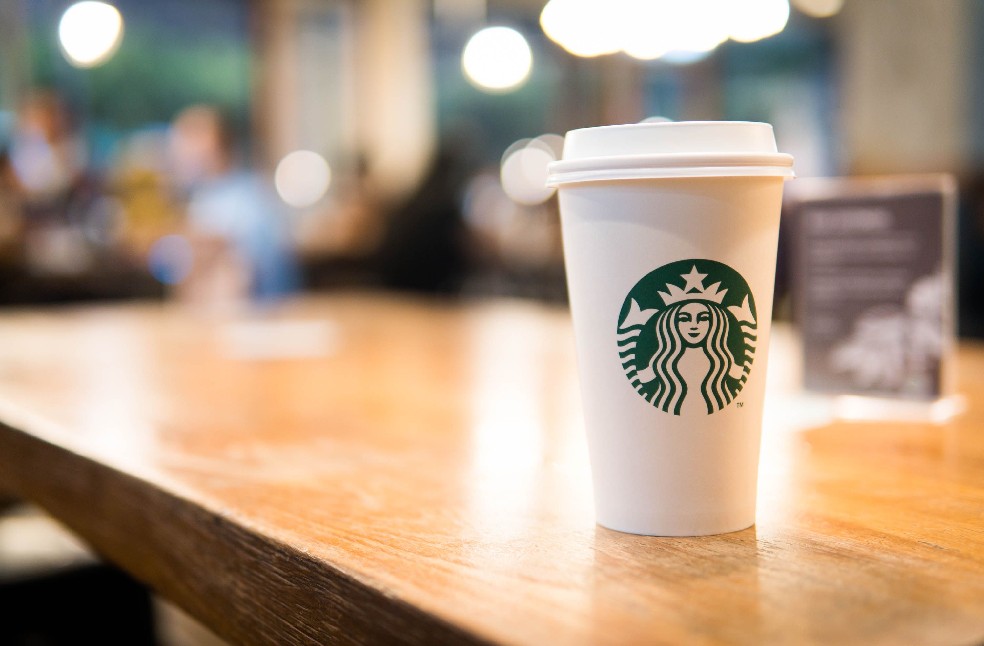
Shanghai: Starbucks China has introduced a new seating policy requiring customers to make a purchase before using seats in its cafes, as the coffee chain faces growing competition from local brands.
The rule took effect across all 8,000 Starbucks stores in China on October 22. The company stated that the change aims to improve the in-store experience and ensure seating is available for paying customers. Reports of the new policy had circulated ahead of October 22nd’s announcement, with signs indicating that customers must buy something before sitting down.
The move comes as Starbucks outlets in several markets address problems involving customers who occupy seats for extended periods without purchasing food or drinks. In South Korea, Starbucks has asked customers to avoid bringing bulky items into stores after reports of people using tables for printers and desktop computers. In North America, the company also reversed its open-door policy, which had allowed people to use seating areas and toilets without making purchases.
A store in China’s Sichuan province also drew attention last month after outdoor tables and chairs were reportedly secured with chains, apparently to prevent people from using the seating without paying. The incident highlighted the challenges surrounding cafe seating and access.
China has become Starbuck’s second-largest market since the company opened its first store there in 1999. However, the business faces strong competition from domestic coffee chains, particularly Luckin Coffee, which offers cheaper products and a digital ordering system designed for quick takeaway purchases.
Luckin overtook Starbucks as China’s largest coffee chain in 2023. Its app-based model has challenged Starbuck’s traditional cafe approach, which encourages customers to sit down and enjoy food and drinks in-store.
Starbucks announced last year that it would sell a 60 percent stake in its China business to investment firm Boyu Capital as part of a $4 billion (£3.04 billion) deal. The transaction formed part of the company’s broader efforts to address conditions in a highly competitive market.
Starbucks China noted that it planned to increase staffing and improve digital systems across its stores. The company aims to provide faster service during busy periods while maintaining a welcoming customer experience. The seating rule marks another change in how Starbucks manages its cafes as it seeks to protect the in-store experience and strengthen its position against lower-priced competitors.
MOST READ | UK inflation faces fresh pressure from rising fuel costs