


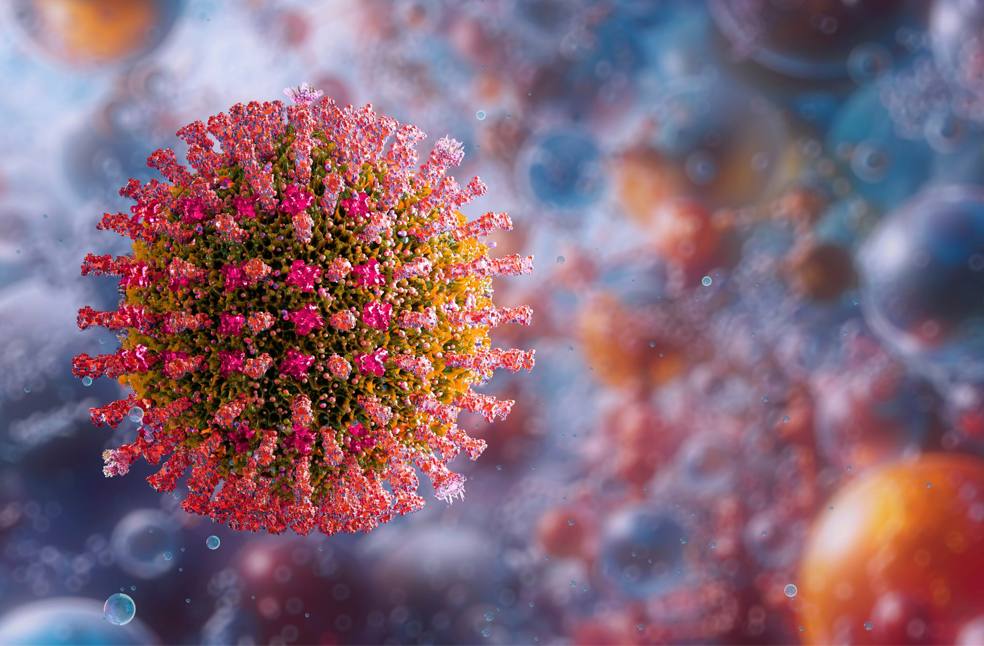
New York: A state of emergency has been declared in New York after more than 100 measles cases were reported across the state this year, prompting authorities to step up testing and vaccination efforts.
According to the New York State Department of Health, local health departments have administered more than 1,000 doses of the measles, mumps, and rubella (MMR) vaccine as authorities work to contain the outbreak.
New York Governor Kathy Hochul issued the emergency declaration, saying the measure would strengthen efforts to control the spread of the disease.
Under the emergency order, more healthcare professionals will be authorised to test for measles and administer vaccines. The expanded group includes paramedics, pharmacists and midwives, while nurses will also be permitted to order measles testing in addition to doctors.
The emergency declaration is scheduled to remain in place until at least November 4. It is the first state-level emergency of its kind in the US since measles cases began increasing sharply last year.
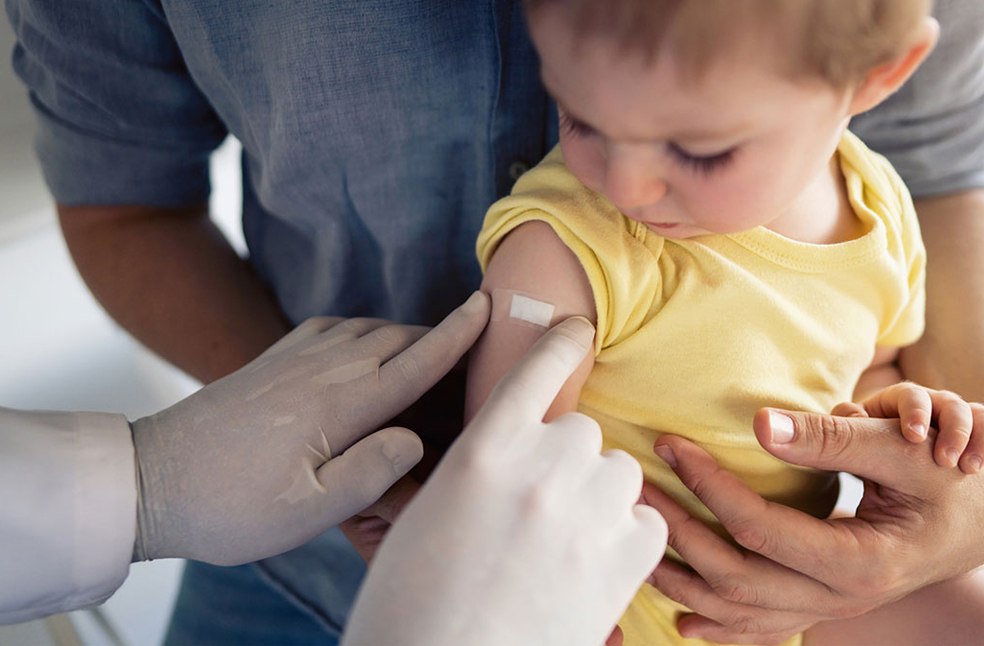
New York State Health Commissioner Dr. James McDonald stated that the health officials are working with local departments to monitor cases and contain the outbreak. Health authorities have urged residents to check their vaccination records and ensure that eligible family members are protected.
The outbreak comes as the US records its highest number of measles cases in decades. Nearly 3,900 cases have been reported nationwide this year, according to the Centers for Disease Control and Prevention.
Neighbouring Pennsylvania has also experienced a major outbreak, with more than 1,000 cases and five deaths reported this year. All five people who died had not been vaccinated against measles.
Measles outbreaks have also been reported in several other US states, including Ohio, Texas, Utah and South Carolina. Health experts have linked the spread in part to declining vaccination rates.
The developments come amid continuing debate over US vaccine policy. US Health Secretary Robert F. Kennedy Jr., who has previously promoted views opposing vaccination, has supported changes to vaccine guidance. In August, an executive order called for greater spacing between MMR vaccine doses, contrary to recommendations from several medical organisations.
ALSO READ | Norway moves to limit AI glasses use in public places
