



Canberra: Australia will begin detaining people who overstay their visas as part of a broader immigration crackdown, Home Affairs Minister Tony Burke announced.
The Australian Border Force will add 100 compliance officers to help detain or encourage the departure of about 77,000 people currently living in the country without valid visas. The government says the policy is intended to restore consequences for visa overstaying.
“Before 2015, we had a routine process in Australia where, when people had overstayed a visa, we would bring people into detention centres … and within a few weeks they would organise their own flight and leave,” Burke stated.
The government will also create 250 additional detention beds, including through the possible use of a former quarantine facility in Melbourne. Burke rejected comparisons with the United States Immigration and Customs Enforcement agency, saying Australia’s approach would not resemble enforcement operations seen in the United States.
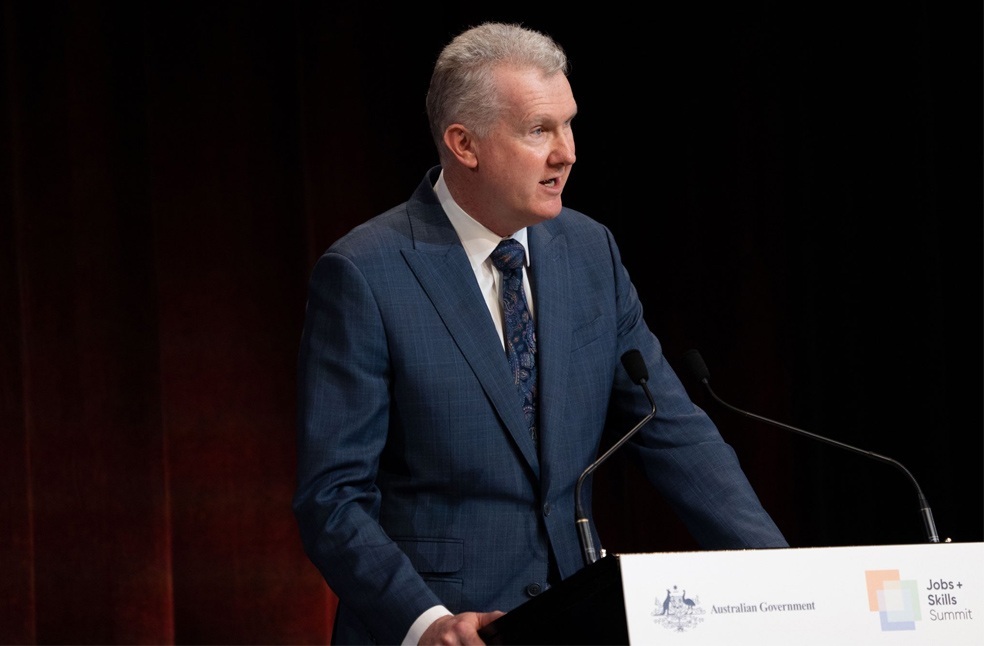
The government also plans to target what it describes as ‘visa hopping’, where people already in Australia move between temporary visa categories to extend their stay. Under a proposed ‘No Further Stay’ provision, people arriving on tourist visas would be prevented from submitting new visa applications after entering Australia.
International students would also be required to advance their qualifications when applying for another study visa. The measure is intended to prevent students from repeatedly moving between courses at lower-level institutions to extend their stay.
Human rights groups have raised concerns about the proposed changes. The Human Rights Law Centre warned that tougher enforcement could discourage undocumented workers who have been exploited from reporting workplace abuse.
Australia remains a major destination for international tourists and relies significantly on international students and working-holiday visa holders, who contribute to migration and economic activity. The number of people overstaying visas has increased from about 64,000 in 2016 to more than 77,000 in 2026, even as net overseas migration has declined.
POPULAR | EU Commission proposes social media ban for children under 13
