


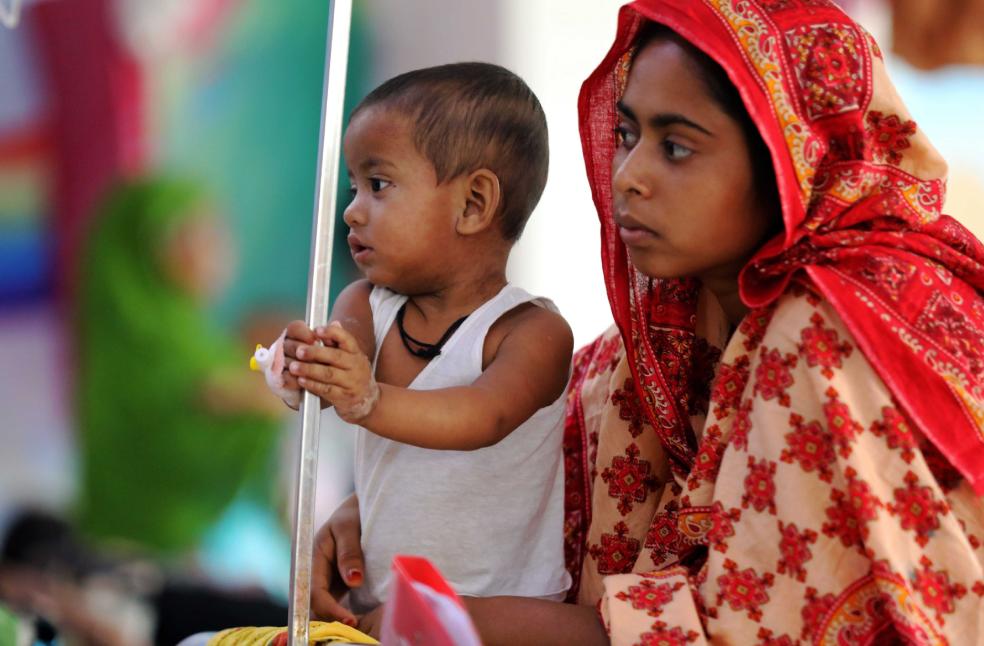
Dhaka: More than 1,000 children have died in a measles outbreak in Bangladesh, with cases continuing to rise despite an emergency vaccination campaign.
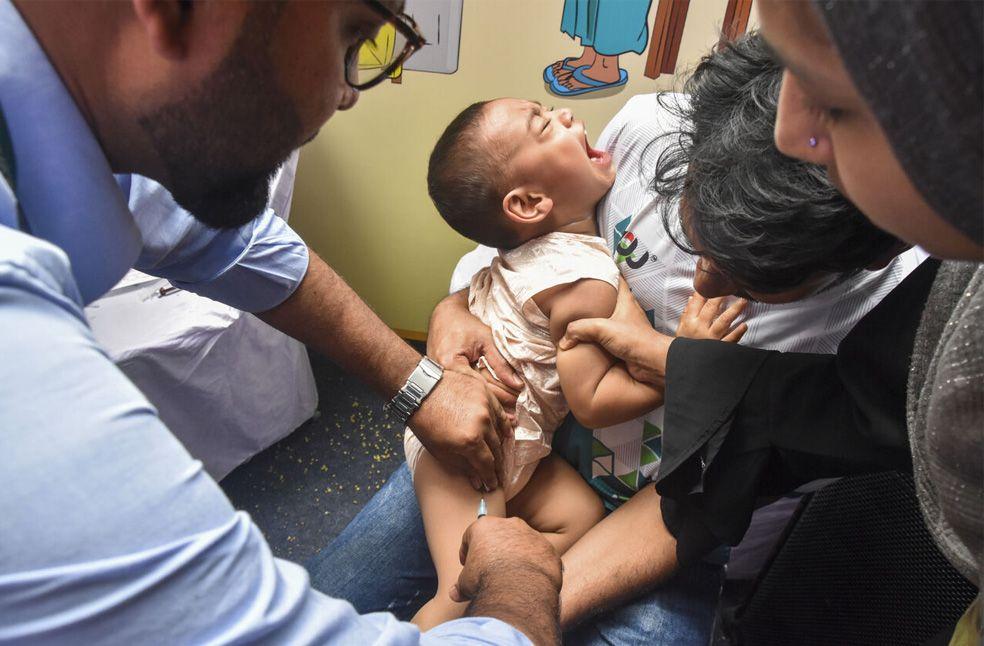
More than 19.8 million children have already been vaccinated across the country, but around 1,000 new suspected cases are still being reported each day. Unicef said that the Bangladeshi government will move into an ‘intensified phase’ of its vaccination campaign on September 26 to reach children who have not yet been vaccinated.
Until March this year, Bangladesh had made ‘substantial progress’ towards measles elimination, according to the World Health Organization. WHO data now shows that Bangladesh has recorded more measles cases than any other country so far this year.
Government figures show more than 194,000 cases have been recorded since March. Measles is highly contagious and spreads through respiratory droplets when infected people breathe, cough or sneeze. The outbreak surged in March, with Unicef describing the situation as a ‘perfect storm’ involving several factors, including population density and disruptions to routine immunisation during the Covid-19 pandemic.
The UN agency had previously said vaccine shortages were linked to delays in vaccine orders under the interim government led by former leader Muhammad Yunus. The claim was disputed by a former senior health ministry official, who denied that Bangladesh had experienced a vaccine shortage.
Bangladesh has also experienced significant political upheaval. Student-led protests in 2024 resulted in the fall of former Prime Minister Sheikh Hasina’s government and were followed by an interim administration. Unicef spokesperson Miguel Mateos Muñoz said in June that the agency had been concerned about potential gaps in vaccine supplies.
Most measles cases have been reported among unvaccinated children. WHO data indicates that about 83% of confirmed cases occurred among unvaccinated people, while infants under six months accounted for around 10 percent of cases.
Infants in that age group are particularly vulnerable during outbreaks because they are not yet eligible for routine measles vaccination.
Malnutrition is also increasing the risk of severe complications and death among children affected by measles, making vulnerable communities particularly exposed to the consequences of the outbreak.
Bangladesh’s intensified vaccination campaign is expected to focus on reaching children who have not yet received the necessary protection against the disease.
ALSO READ | US imposes visa restrictions on South Africans over race policies
