


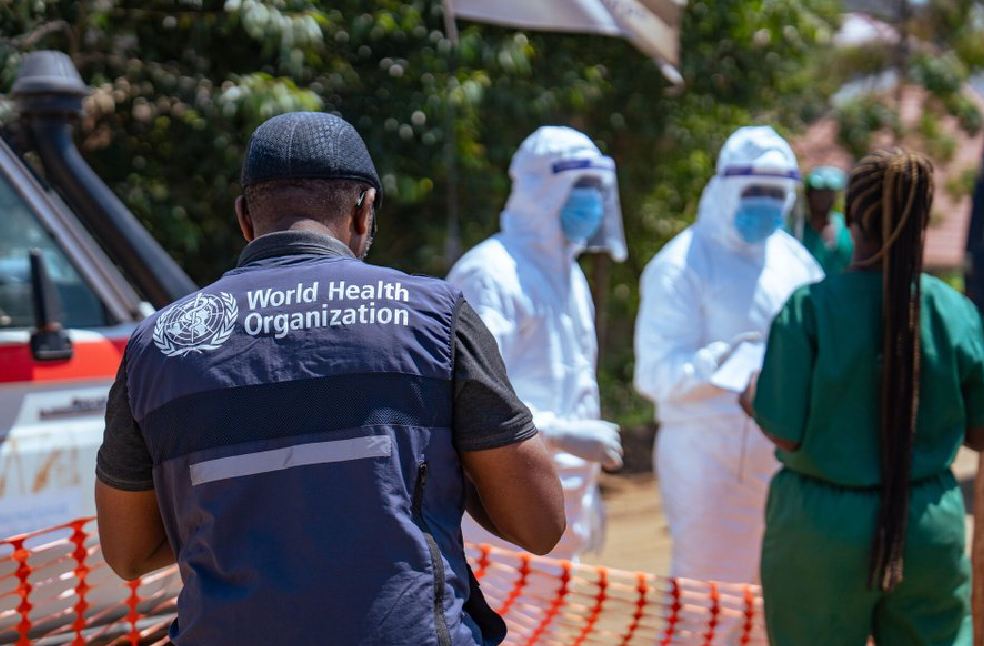
Kinshasa: The Ebola outbreak in the Democratic Republic of Congo has become the deadliest in the country’s history after at least 2,325 people died, with confirmed cases continuing to rise across several provinces.
The latest government data surpasses the death toll recorded during the 2018-20 Ebola outbreak. Confirmed cases have also risen to 4,945, with the country’s public health institute reporting 101 new cases within a 24-hour period.
The outbreak spreads across 6 of the country’s 26 provinces, with most affected areas located along the north-eastern border. Ituri province remains the main centre of the outbreak, with more than 3,400 cases recorded since the disease was first reported there.
The United Nations warns that the situation is worsening rapidly. A UN assessment remarked that the outbreak was killing about 1 person every 30 minutes as infections continued to increase. The latest case numbers also made the current outbreak the fastest-growing known Ebola outbreak. There are currently no approved vaccines or treatments for this rare strain.
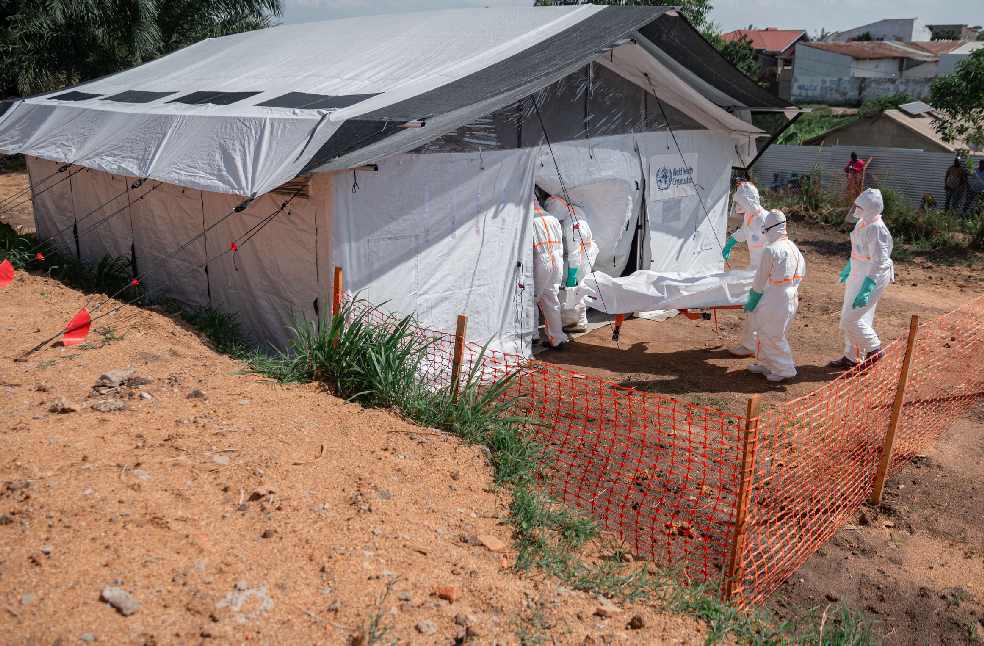
Uganda also reported at least 20 cases, all of which have been recorded in the capital, Kampala. In May, the World Health Organization (WHO) declared the outbreaks in the Democratic Republic of Congo and Uganda a public health emergency of international concern.
The Ebola virus can spread from wild animals to humans. Transmission between people can occur through direct contact with blood, secretions, organs or other bodily fluids from infected individuals. Contaminated materials such as bedding and clothing can also contribute to transmission.
WHO has identified symptoms including fever, fatigue, muscle pain, headaches and sore throat. More severe symptoms can follow, including vomiting, diarrhoea, abdominal pain and skin rashes. Impaired kidney and liver function can also occur.
The scale of the outbreak increases pressure on health authorities and international organisations to contain transmission. The rising death toll and rapid growth in confirmed cases have made the current emergency a major public health concern across central Africa.
POPULAR | Rising petrol prices drive Nigeria’s shift to electric bikes
