


London: New research has revealed that economic inequality may be responsible for more than 100,000 additional deaths linked to heat and cold across Europe every year.
The study found that reducing inequality levels across European regions could significantly lower temperature-related deaths, particularly during extreme summer heatwaves and harsh winter cold periods.
Researchers estimated that matching the equality levels of Slovenia, considered one of Europe’s most equal regions, could reduce temperature-related mortality by up to 30%.
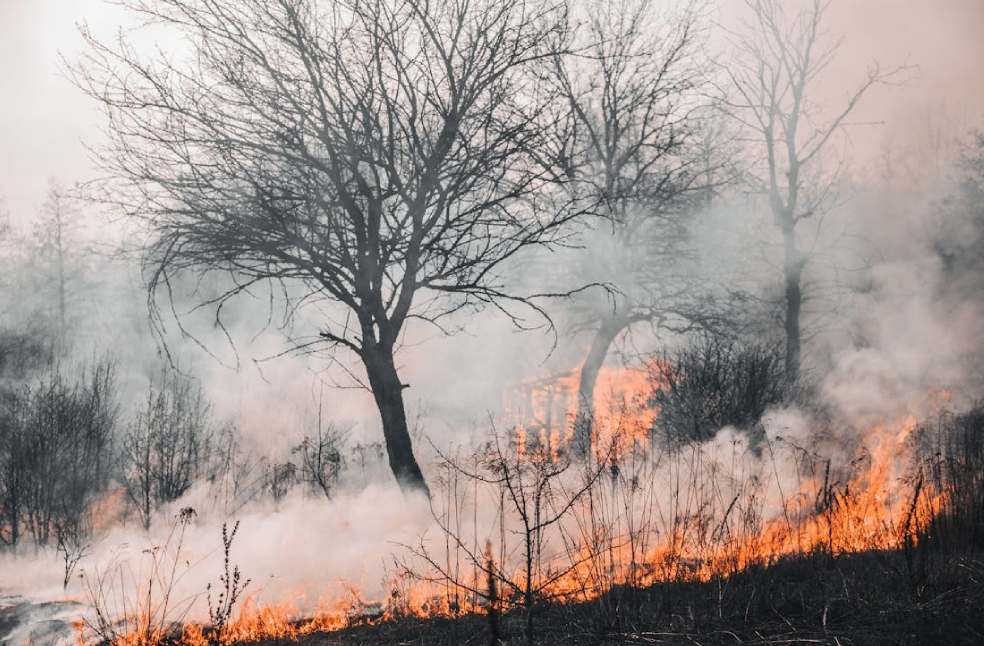
The findings come amid growing concerns about climate change and rising temperatures across Europe. Scientists recently confirmed that April ranked among the hottest on record globally, while countries including Spain experienced exceptionally warm conditions.
The study also warned that the return of the El Niño climate pattern could contribute to an even more intense European summer this year, increasing health risks for vulnerable populations.
Researchers linked higher death rates to several indicators of hardship, including poverty, poor housing conditions and the inability to properly heat homes during winter.
The analysis examined mortality data from hundreds of regions across Europe between 2000 and 2019 and found that poorer communities were more vulnerable to temperature extremes.
Experts said cold weather currently causes more deaths than heat in Europe, although climate scientists expect extreme heat to become the bigger threat in coming decades as global temperatures continue rising.
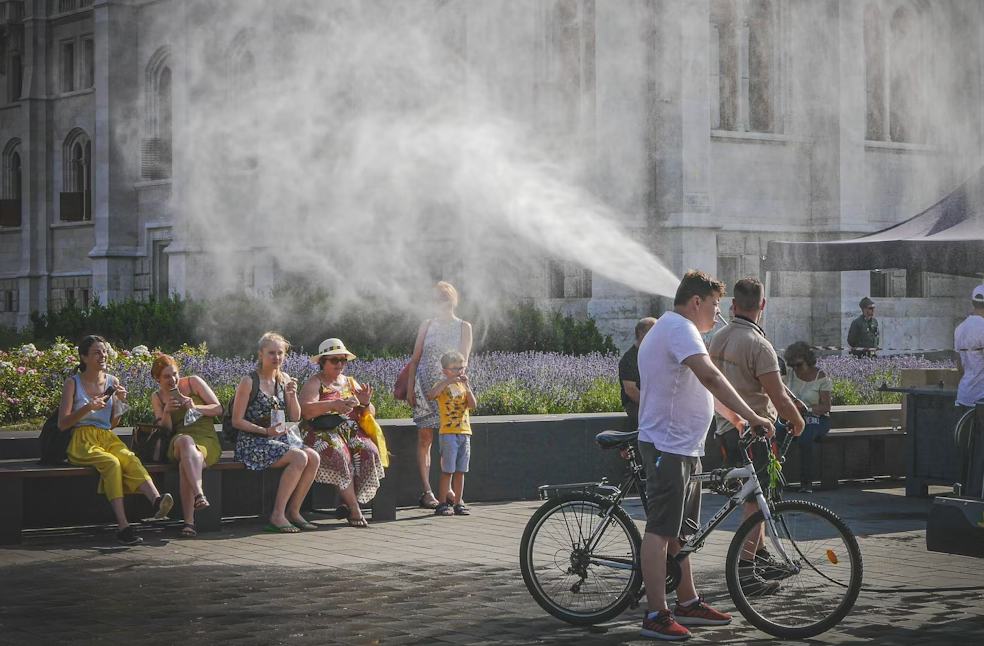
The study also highlighted how wealthier urban areas can face increased risks during heatwaves because of the “urban heat island” effect, where concrete, asphalt and limited green spaces trap heat.
Researchers and health experts said the findings strengthen calls for governments to combine climate adaptation policies with measures aimed at reducing social and economic inequality. Scientists involved in the study argued that improving housing quality, reducing fuel poverty and supporting vulnerable communities could help save thousands of lives across Europe.
MOST READ | US to revoke passports over unpaid child support debt
