


Washington: The latest rise in US gas prices has pushed the national average to $4.30 per gallon, according to the American Automobile Association (AAA), marking the highest level in nearly four years.
Prices have climbed significantly since the start of the Iran conflict, when petrol cost less than $3 per gallon. Over the past week alone, the average price has increased by 27 cents, reflecting growing pressure on global energy markets.
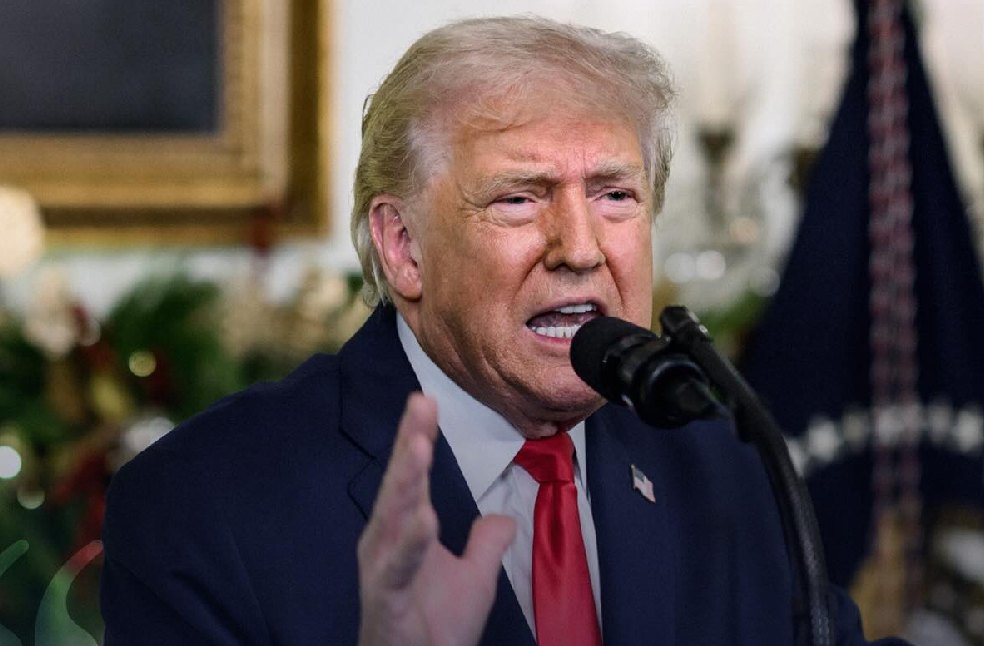
Donald Trump has defended the increase, saying the surge is temporary and linked to broader strategic goals. He argued that prices would fall sharply once the conflict ends.
The spike in US gas prices has been driven largely by rising oil costs, which have surged above $100 per barrel amid ongoing tensions in the Middle East. Disruptions in the Strait of Hormuz, a key shipping corridor, have significantly affected global supply chains.
The United States has imposed a blockade on Iranian ports, while Iran has restricted access through the strait, escalating the standoff and intensifying market uncertainty.
In some regions, the impact has been even more pronounced. California, the most populous US state, has seen petrol prices exceed $6 per gallon, placing additional strain on households and businesses.
The increase in US gas prices is also contributing to broader inflationary pressures, raising concerns among economists and policymakers. Higher fuel costs are affecting transportation, production and everyday expenses.
Despite a ceasefire earlier in April, energy prices have continued to rise, highlighting the lingering effects of geopolitical tensions on global markets.
Trump has maintained that the US is in a strong position and reiterated his belief that Iran will eventually agree to a deal. However, Iranian officials have taken a firm stance, refusing to resume talks until the blockade is lifted.
Masoud Pezeshkian has criticised the ongoing blockade, describing it as an extension of military pressure and warning that the current situation is becoming unsustainable.
The outlook for US gas prices remains uncertain, with markets closely watching developments in the conflict and any potential diplomatic breakthroughs.
As tensions persist, fuel costs are expected to remain volatile, with consumers continuing to feel the impact at the pump.
RELATED POST | Oil hits highest since 2022 on Trump Iran strike plans
