


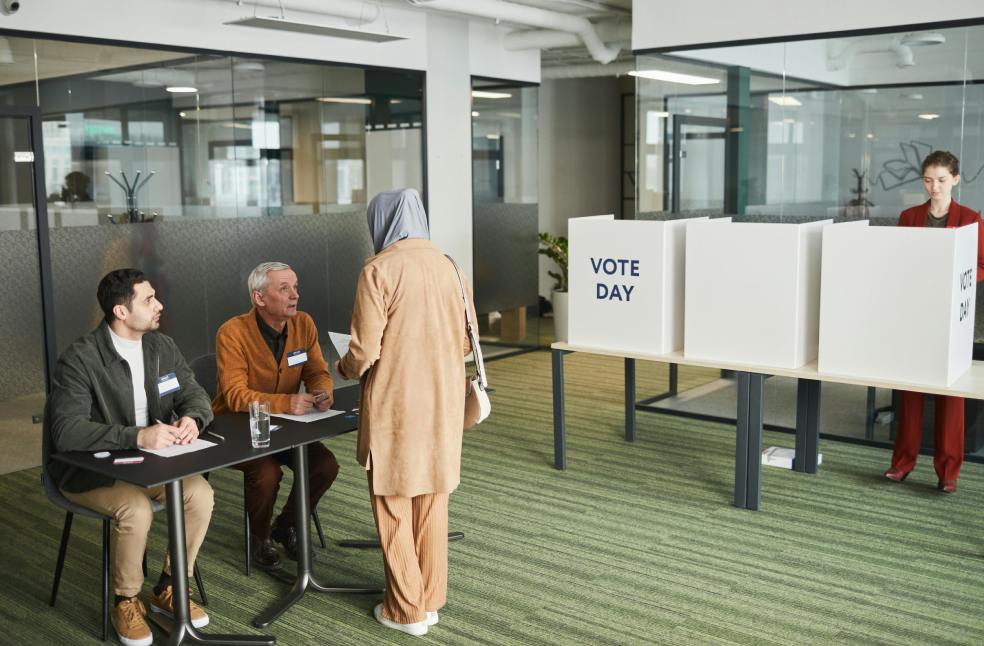
Sofia: Bulgarians have begun casting their votes in the country’s eighth parliamentary election in just five years, highlighting ongoing political instability in the European Union member state.
Polling stations opened early in the morning, with voting set to conclude by evening and preliminary exit polls expected shortly after. The election follows the collapse of a Conservative-led government in December, brought down by large-scale anti-corruption protests that saw hundreds of thousands, mostly young citizens, take to the streets demanding judicial independence and an end to entrenched corruption.
At the centre of the contest is Rumen Radev, a former president and air force general who has entered the race after resigning from his largely ceremonial role earlier this year. Radev has positioned himself as a reformist candidate aiming to dismantle what he describes as Bulgaria’s oligarchic governance model.
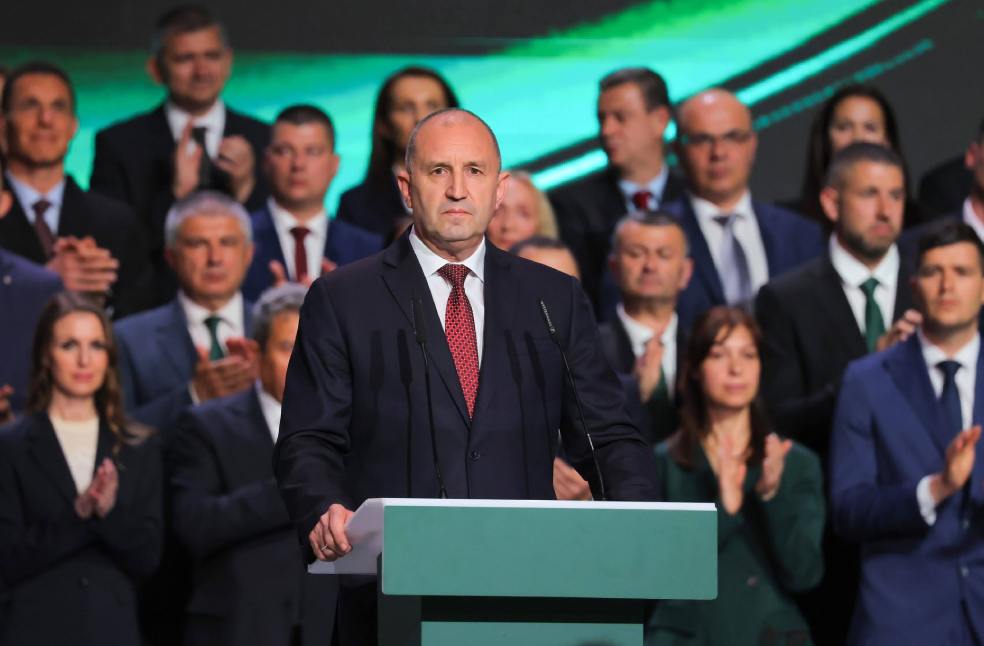
His campaign, however, has sparked controversy due to his stance on foreign policy. Radev has advocated restoring ties with Russia and criticised military support for Ukraine, including a recent defence agreement between Sofia and Kyiv. While he has stated he would not block European Union decisions, opponents argue his approach signals a softer stance towards Moscow.
The vote comes with shifting political currents across Europe, just days after developments in Hungary, where Prime Minister Viktor Orban faced a setback to his nationalist and pro-Russia-leaning policies.
Bulgaria’s prolonged instability dates back to 2021, when mass protests ended the long rule of former prime minister Boyko Borissov. Since then, the country has struggled to form durable governments, with successive coalitions collapsing within months due to political infighting and public pressure.
Opinion polls suggest Borissov’s pro-European GERB party may secure around 20 percent of the vote, placing it among the leading contenders, followed by the liberal PP-DB alliance. However, the fragmented political landscape makes the formation of a stable government uncertain.
Official results are expected in the coming days, with analysts warning that Bulgaria could once again face prolonged negotiations and the possibility of yet another election if no viable coalition emerges.
POPULAR | US bans new foreign-made internet routers citing national security risks
