


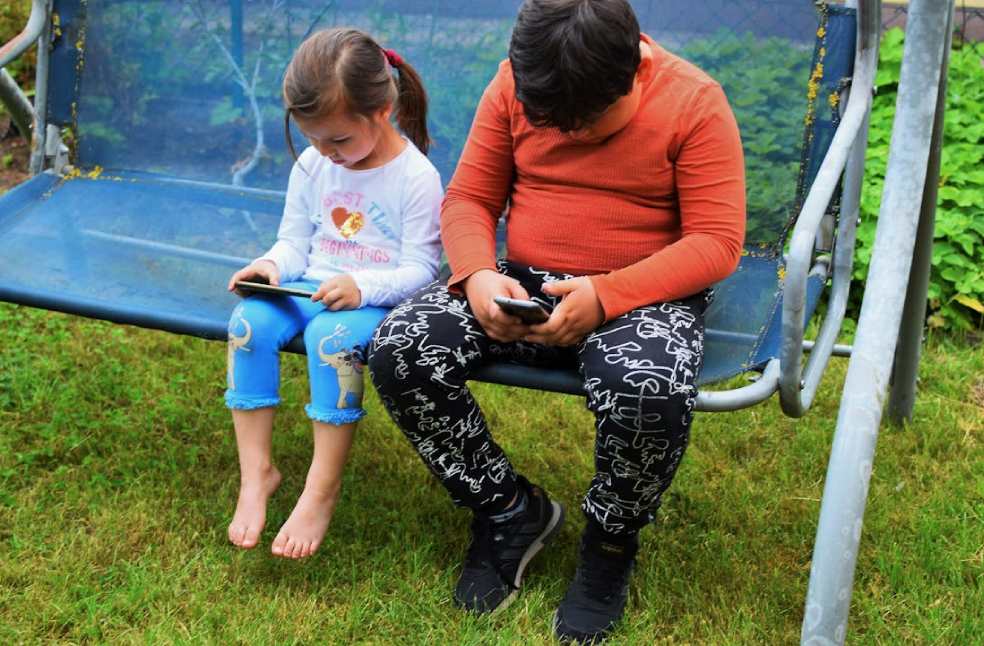
Canberra: The social media ban in Australia has prompted a major investigation into leading technology companies, including Meta, TikTok and Google, over claims they have failed to properly enforce age restrictions. The probe has followed findings that a significant number of children remain active on social media despite the new rules.
A survey of around 900 parents has revealed that 31 percent reported their children still had social media accounts after the ban, compared with 49 percent before its implementation. Among platforms such as Instagram, Snapchat and TikTok, nearly 70 percent of under-16 users were found to have maintained access even after restrictions came into effect.
Australian authorities have argued that existing enforcement tools are insufficient. The eSafety Commission has indicated that technologies such as facial age estimation are not reliable enough and have allowed repeated attempts at age verification. This has raised concerns that safeguards introduced by companies are not strong enough to prevent underage access.
View this post on Instagram
Communications Minister Anika Wells has criticised the response from major platforms, stating that large technology firms have the capability to implement stricter controls. Wells has emphasised that companies operating in Australia must comply with national laws and take meaningful steps to restrict access for underage users.
The social media ban laws, introduced in December, classify major platforms including Facebook, Instagram, Snapchat, TikTok and YouTube as age-restricted services. The legislation requires companies to take reasonable measures to prevent children under 16 from creating or maintaining accounts, with penalties of up to A$49.5 million, equivalent to $33.9 million (£25.7 million).
While companies such as Meta have stated they are working to comply and highlighted the challenges of verifying age accurately, regulators have continued gathering evidence to determine whether penalties will be applied. Despite millions of accounts reportedly being removed or restricted, authorities have acknowledged that a substantial number of young users remain active, raising questions about the effectiveness of enforcement.
ALSO READ | DeepSeek chatbot hit by major outage lasting hours
