


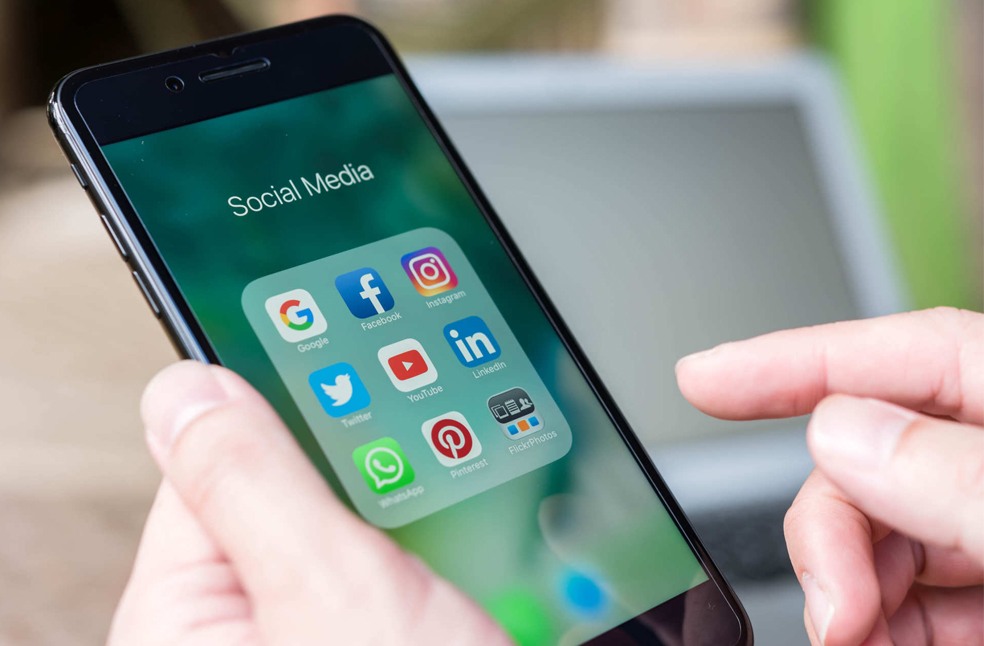
London: Children who spend more than three hours a day on social media are significantly more likely to develop symptoms of anxiety and depression during their teenage years, according to new research.
The study, conducted by Imperial College London, analysed data from 2,350 children across 31 schools in London. The research formed part of a long-term project on cognition, adolescents, and mobile phone use, launched in 2014.
Participants completed cognitive assessments and detailed questionnaires on digital behaviour, mental health, and lifestyle habits at two stages: first between the ages of 11 and 12, and again between 13 and 15.
The findings revealed that children who spent more than three hours daily on social media were more likely to report symptoms of anxiety and depression as teenagers, compared to those who used social media for around 30 minutes a day. The association with depression was found to be more pronounced among girls.
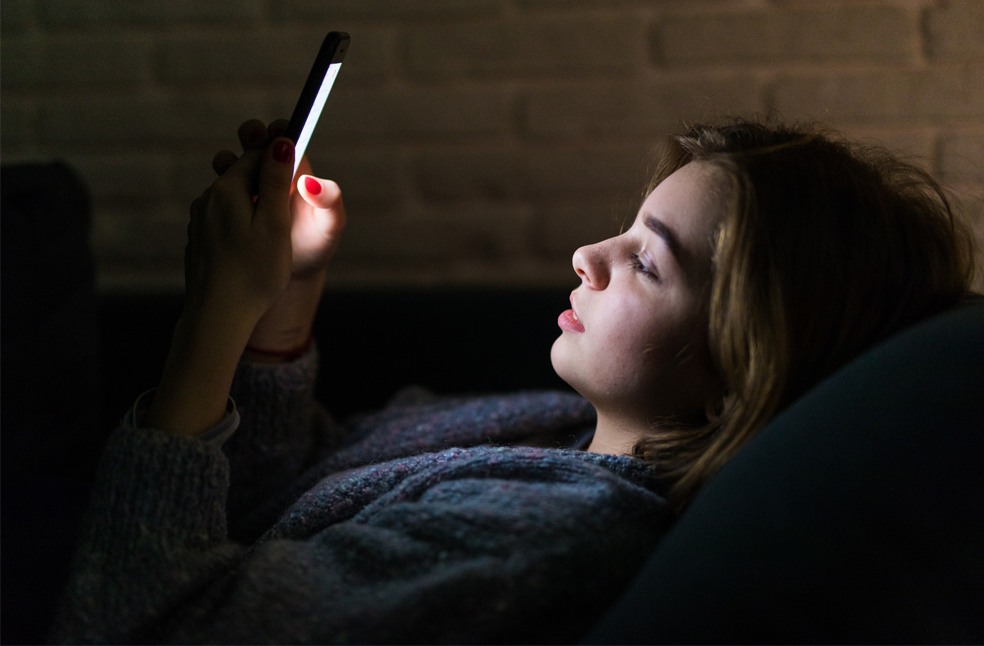
Researchers suggested that disrupted sleep may be a key factor behind this link. Children who engage with social media for extended periods, especially late into the night, are more likely to go to bed later and get less sleep overall, particularly on school nights, which can negatively affect mental health over time.
Mireille Toledano, Principal Investigator of the study and Chair of Imperial’s Mohn Centre for Children’s Health and Wellbeing, said the analysis shows a clear pattern between time spent on social media and mental health outcomes.
The Investigator explained that children using social media for longer periods, especially in the evening, may be sacrificing essential sleep needed for healthy functioning, which could have lasting effects on their well-being.
The research comes amid increasing policy discussions around protecting children online. Earlier this month, the government launched a consultation to gather public views on potential measures, including the possibility of a partial ban on social media use for under-16s.
In a notable international move, Australia became the first country to introduce a nationwide ban on social media for children under 16. Within the first few days of the policy coming into force in December, approximately 4.7 million young accounts were deactivated, removed, or restricted.
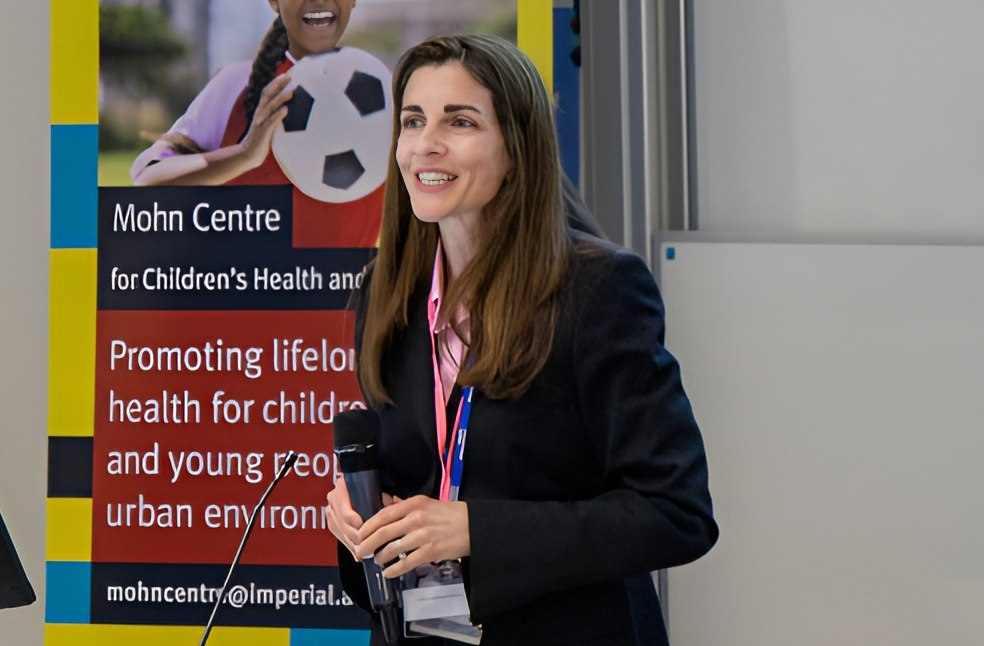
Despite growing support for similar measures in the UK, including calls to make existing guidance, such as limiting phone use in schools, legally binding, Toledano noted that there is currently insufficient evidence to confirm that such bans would fully resolve the challenges linked to children’s mental health.
The Investigator emphasised that the issue is complex and influenced by multiple factors, suggesting that it may be more effective for the UK to observe the outcomes of Australia’s policy over time before implementing similar restrictions.
The findings were published in BMC Medicine, where researchers also called for stronger efforts to promote digital literacy and awareness of healthy sleep habits in secondary schools. They noted that further research is needed, particularly as the social media landscape has evolved significantly since the study’s data was collected between 2014 and 2018.
Chen Shen from Imperial’s School of Public Health highlighted that social media platforms have changed dramatically over the past decade and are likely to continue evolving rapidly in the coming years. Shen stressed the importance of ongoing research to better understand how modern digital environments impact children’s mental health.
ALSO READ | Wimbledon brings in Video Review Technology for players
