


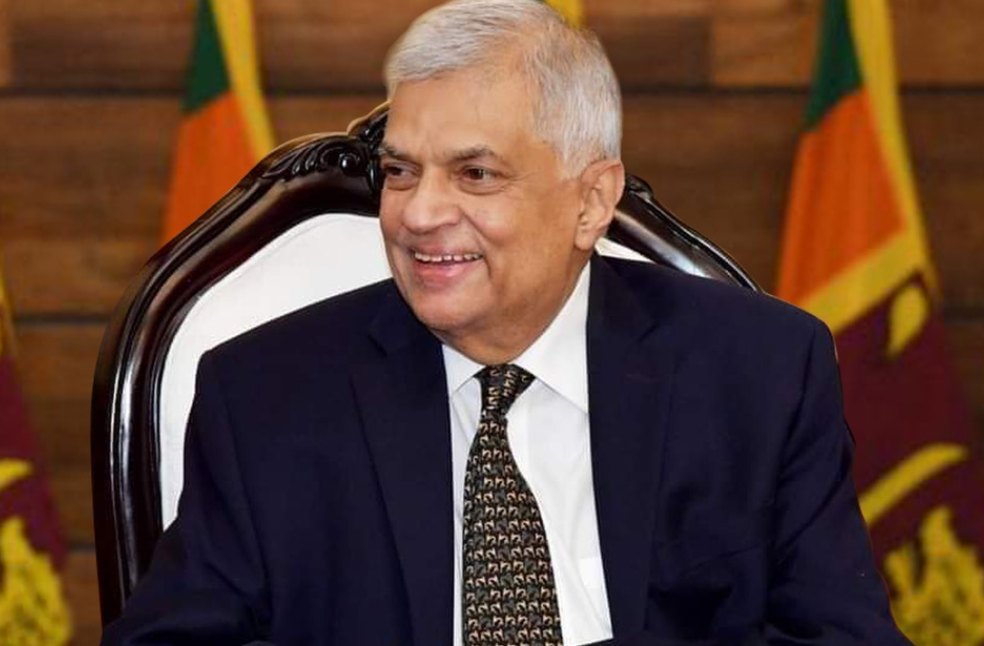
Colombo: The former Sri Lankan president, Ranil Wickremesinghe, has been admitted to hospital following his arrest on charges of misusing public funds, intensifying the government’s ongoing crackdown on corruption.
Ranil Wickremesinghe has been treated for acute dehydration at Colombo National Hospital, where doctors said that his condition is stable.
Wickremesinghe was remanded in custody on August 22 after being accused of using taxpayer money to cover expenses for a two-day trip to the United Kingdom in September 2023.
The visit included a ceremony at the University of Wolverhampton, where Wickremesinghe’s wife received an honorary professorship. Wickremesinghe has denied the charges, stating that his wife had paid her own expenses.
The trip took place after Wickremesinghe attended the G77 summit in Havana and the United Nations General Assembly in New York. Prosecutors have alleged that state resources were misused in arranging the travel, which could carry penalties of up to 20 years in prison along with a fine of 16.6 million rupees.
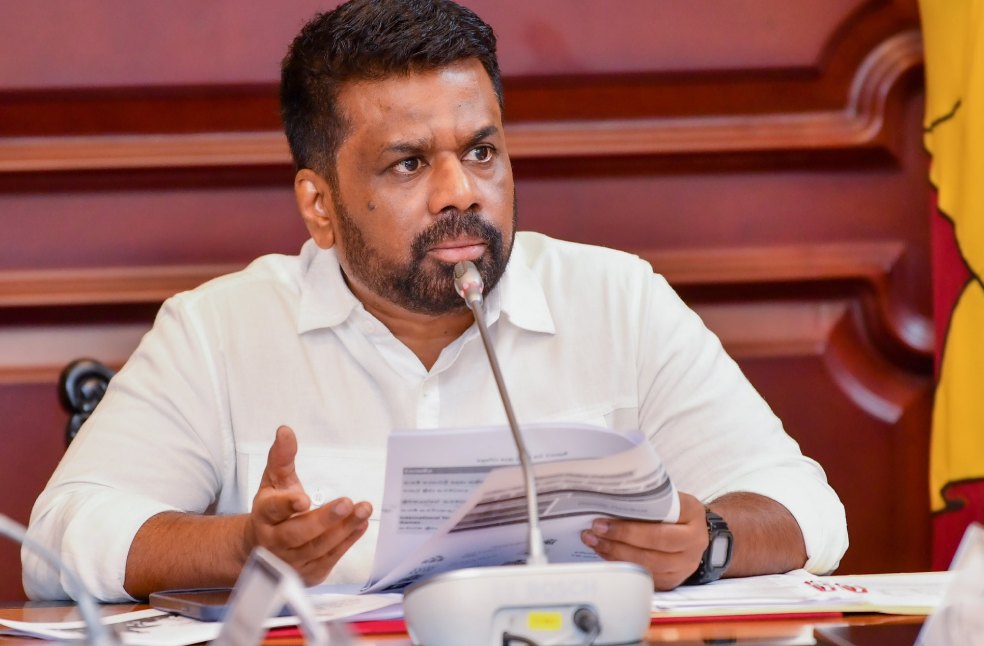
Hospital officials have confirmed that Wickremesinghe suffers from diabetes and high blood pressure, which contributed to his condition. Deputy hospital director Rukshan Bellana stated that he was severely dehydrated when brought in for treatment.
Wickremesinghe, who lost the presidential election in September to opposition leader Anura Kumara Dissanayake, has faced significant political setbacks in recent years. Wickremesinghe assumed the presidency in July 2022 after the resignation of Gotabaya Rajapaksa, during a period of mass protests fuelled by Sri Lanka’s worst economic downturn since independence.
Although Wickremesinghe served as prime minister six times since 1977, Wickremesinghe never completed a full term. Wickremesinghe’s presidency was marked by efforts to stabilise the country amid economic and political turmoil, though Wickremesinghe’s close ties to the Rajapaksa family made him unpopular with demonstrators demanding accountability.
Dissanayake, who replaced Wickremesinghe, has promised to tackle corruption and strengthen governance under the Janatha Vimukthi Peramuna (JVP) party. The leadership shift has represented a significant change in Sri Lankan politics, as the JVP seeks to distance itself from its past involvement in political violence while appealing to a broader electorate.
The former Sri Lankan president’s case has drawn attention to corruption investigations in the country, with the government seeking to hold high-level leaders accountable for past misuse of state funds.
MOST READ | Famine declared in Gaza as worsening hunger crisis sparks global alarm
