



Kent: The UK Health Security Agency is continuing to investigate a meningitis outbreak linked to meningococcal disease in Kent, with 20 cases identified so far.
As of 5 pm on March 17, nine cases have been laboratory confirmed, while 11 remain under investigation. Six of the confirmed infections are identified as group B meningococcal disease, a leading cause of bacterial meningitis.
Two deaths have been reported, with no additional fatalities since the previous update. All confirmed cases linked to the outbreak involve young adults. One individual from Kent was treated at a London hospital, although no community links in London have been established.
Health officials are also investigating a separate case involving a baby diagnosed with meningococcal group B infection. This case is not currently linked to the Kent outbreak but remains under review. The situation is evolving rapidly, and authorities warn that more meningitis-related cases may emerge as individuals with symptoms are urged to seek medical advice.
Antibiotics remain the most effective way to limit the spread of invasive meningococcal disease, including meningitis. So far, more than 2,500 doses have been administered to students, close contacts, and others, including individuals who visited Club Chemistry between March 5 and 7.
General practitioners across the UK have been advised to prescribe preventive antibiotics to those who attended the venue during that period, as well as to University of Kent students who have been asked to seek treatment, ensuring access for those who may have travelled outside Kent.
NHS vaccination campaign
Due to the seriousness of the outbreak, a targeted vaccination campaign is being rolled out in coordination with the NHS. The programme will initially focus on students residing in halls at the Canterbury campus of the University of Kent, with up to 5,000 students expected to be contacted and offered the MenB vaccine.
The rollout may be expanded depending on ongoing risk assessments. Officials continue to advise anyone who visited Club Chemistry between March 5 and 7 to come forward for precautionary treatment.

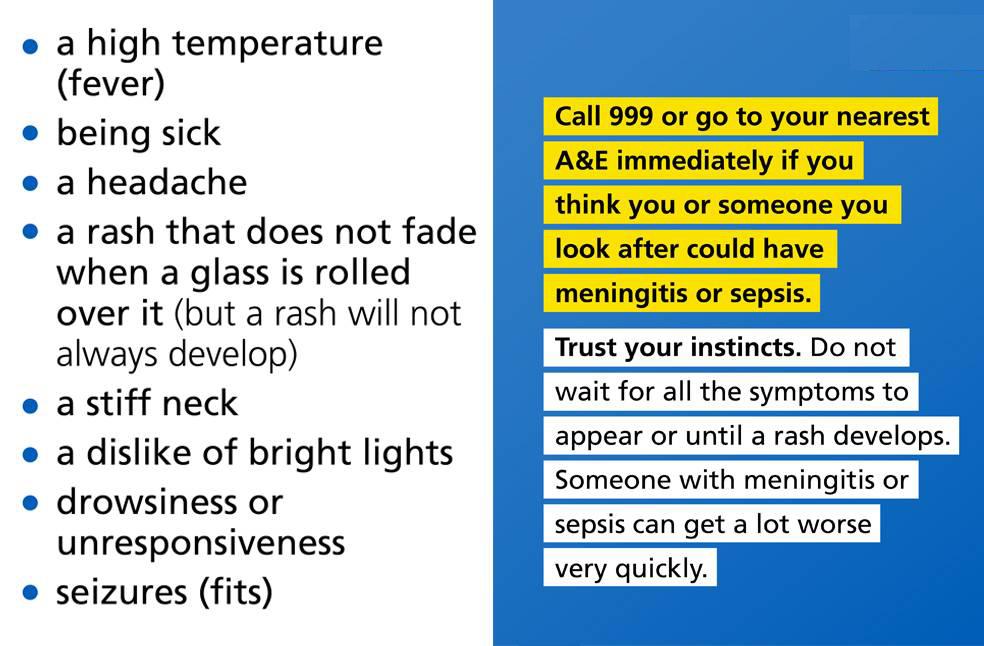
Meningitis symptoms can progress quickly and may include fever, headache, rapid breathing, vomiting, drowsiness, shivering, and cold hands and feet. In some cases, septicaemia can cause a distinctive rash that does not fade when pressed.
Early signs of meningitis are often mistaken for common illnesses such as a cold, flu, or hangover, increasing the risk of delayed diagnosis, particularly among students. Anyone experiencing symptoms is urged to seek immediate medical attention by contacting a GP, calling NHS 111, or dialling emergency services, as early treatment can save lives.
Trish Mannes, UKHSA Regional Deputy Director for the South East, said that around 2,500 antibiotic doses have already been administered and encouraged close contacts, including students and visitors to the venue, to come forward. Mannes added that a targeted MenB vaccination programme is now being introduced for university students and may be extended if needed.
The UKHSA is coordinating a national response to the meningitis outbreak. However, officials clarified that this does not constitute a national NHS incident, as such a designation is reserved for situations involving significant system-wide pressure. NHS services across the UK continue to operate as normal.
MOST READ | Study challenges Cannabis benefits for mental health
