


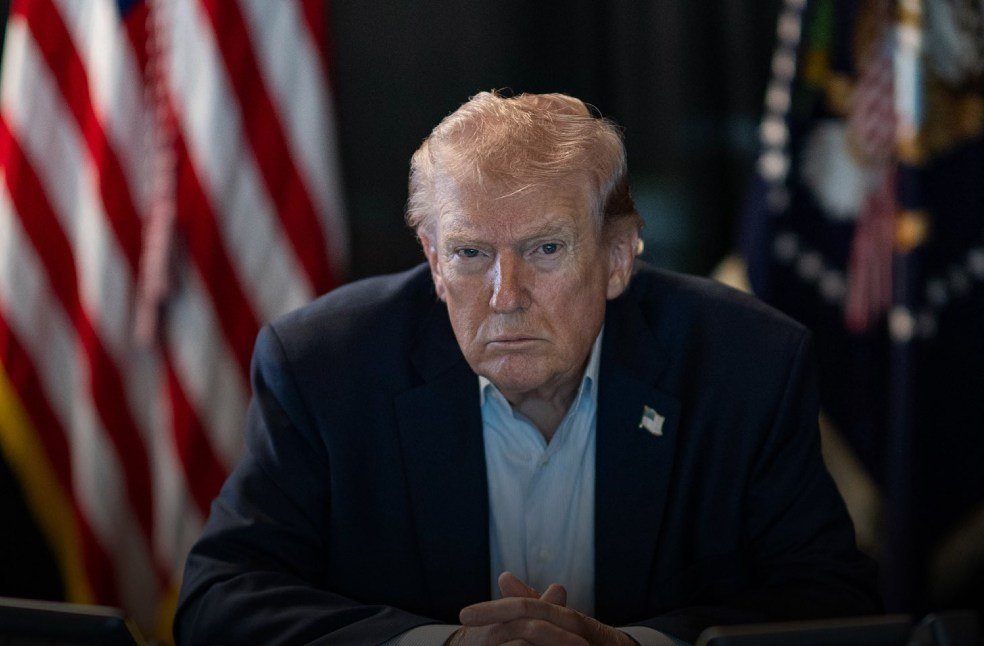
Washington: Trump has been preparing to meet Japan’s Prime Minister Sanae Takaichi at the White House, with discussions likely to include requests for support in the ongoing Iran war.
The meeting has taken place against the backdrop of rising tensions in the Gulf region, where the Strait of Hormuz has been largely disrupted. The waterway remains critical for global oil shipments, and Washington has been urging allies to assist in ensuring safe passage for vessels.
Trump has expressed frustration with what has been described as limited support from several allies for the U.S.-Israeli military campaign. While stating that the United States does not necessarily require assistance, Trump has continued to call for additional contributions, including ships to clear mines and escort tankers.
The White House meeting has been part of a long planned effort to strengthen the security and economic partnership between the United States and Japan, one of Washington’s key allies in East Asia.
However, the issue has placed Takaichi in a difficult position. Japan has been cautious about offering direct support for military operations due to domestic political concerns and constitutional limits on its military role.
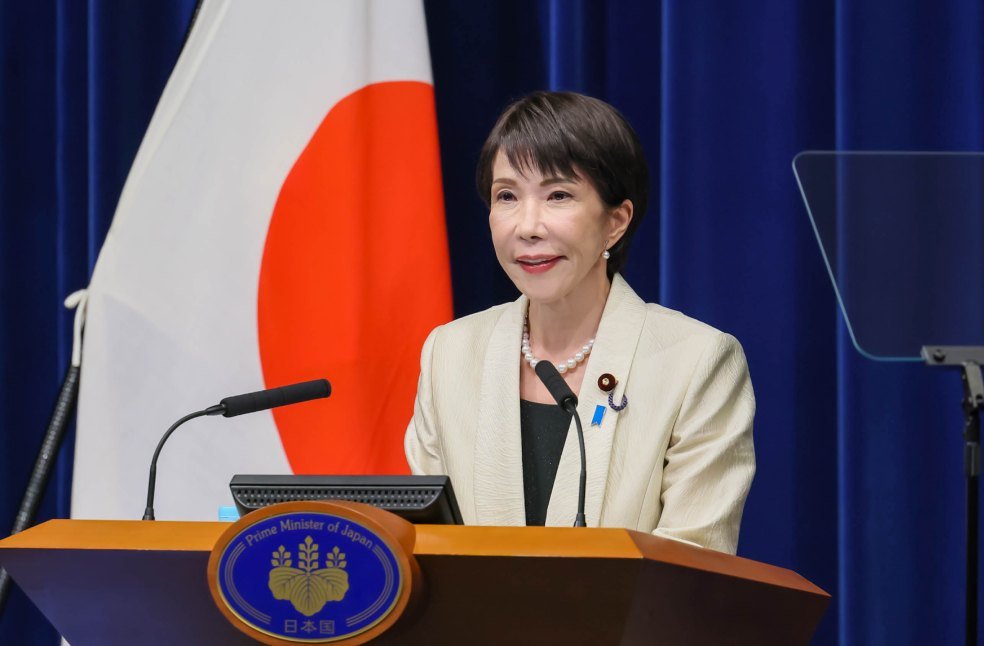
Takaichi has been working to gradually shift Japan’s defence posture away from its post World War Two pacifist framework. Despite this, public opinion in Japan has remained sensitive to involvement in overseas conflicts, including the Iran war.
Speaking in parliament earlier, Takaichi said that no formal request had been received from Washington regarding participation in Gulf operations. Takaichi said that, “Japan had received no official request,” while noting that authorities are assessing possible actions within constitutional boundaries.
Several other U.S. allies, including Germany, Italy and Spain, have ruled out taking part in any Gulf mission, adding to tensions between Washington and its partners.
The situation has highlighted broader challenges in aligning international support during the conflict. While Trump has continued to push for collective action, responses from allies have varied depending on domestic and strategic considerations.
The meeting has been closely watched as an indicator of how far Japan may be willing to go in supporting U.S. efforts, particularly in securing key global shipping routes. Observers have noted that the outcome could influence not only bilateral relations but also wider geopolitical dynamics in the region.
POPULAR | Japan logs record February arrivals as China visits fall
