


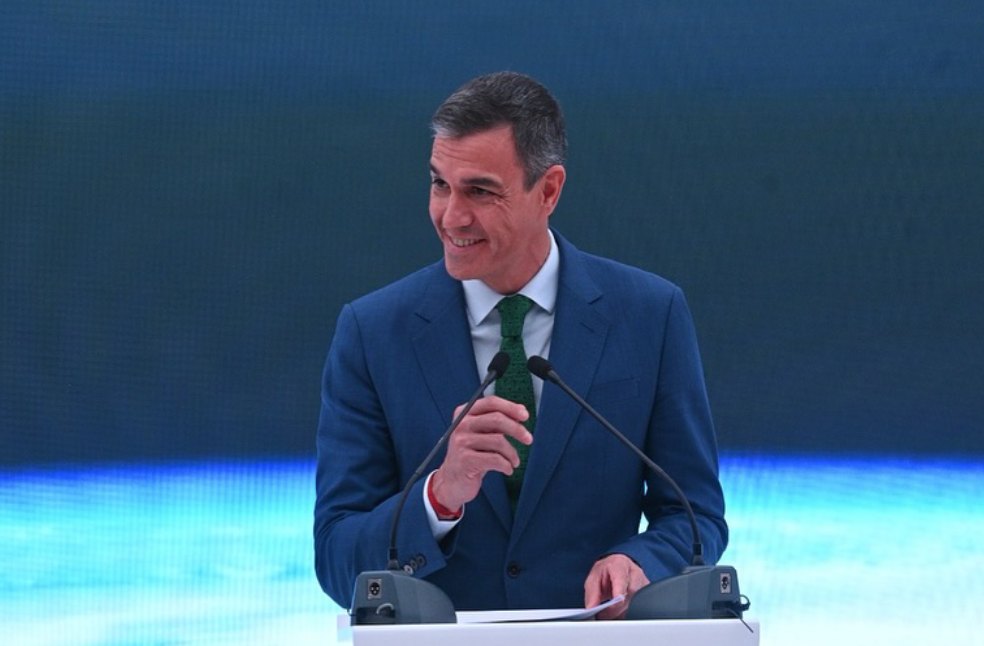
Madrid: Spain ruling party regional poll has taken on national significance as residents of Extremadura vote in a snap election triggered by political deadlock and growing pressure on the governing Spanish Socialist Workers’ party.
Although the election has been framed as a regional matter, analysts have said its outcome could shape the broader political landscape ahead of upcoming contests across Spain. Extremadura was once considered a stronghold of the PSOE but has been governed by the conservative People’s party since 2023.
The current regional president, María Guardiola, called the election after opposition parties voted down the regional budget, forcing an early return to the polls. Polling has suggested Guardiola may struggle to secure an outright majority, increasing the likelihood of renewed negotiations with the far-right Vox party.
The socialist candidate, Miguel Ángel Gallardo, has been facing trial over allegations of influence-peddling and abuse of office linked to claims that a job was created for the prime minister’s brother, David Sánchez, several years ago. Both Gallardo and David Sánchez have denied any wrongdoing. The case has been brought by Manos Limpias, a group known for pursuing legal action against political figures and institutions.
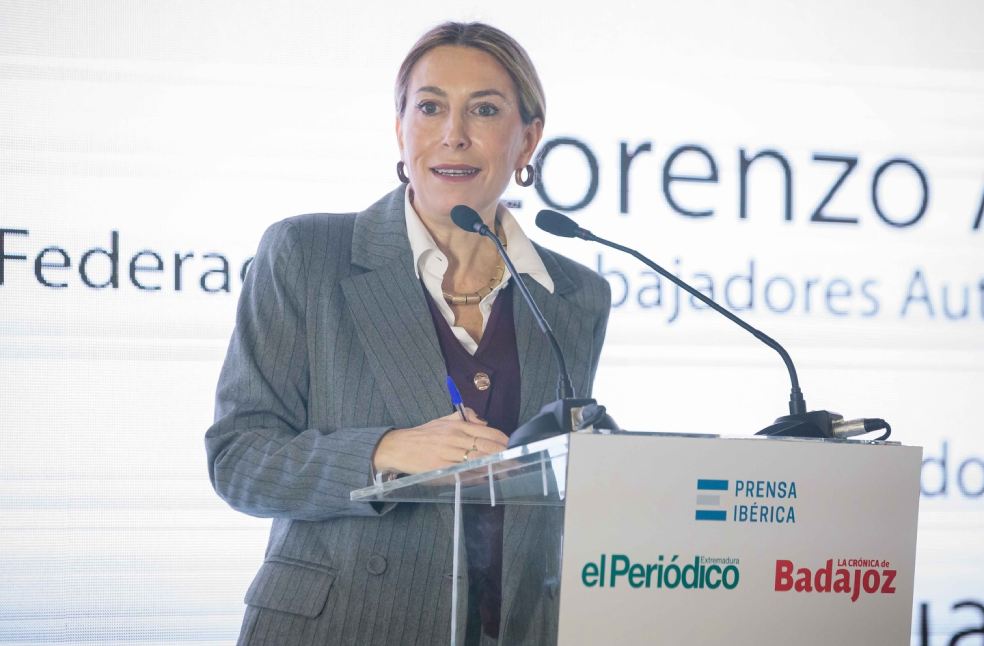
Spain ruling party regional poll has also been overshadowed by other investigations involving individuals close to the prime minister. Pedro Sánchez’s wife, Begoña Gómez, has been accused of using influence to secure sponsorships for an academic programme and misusing state resources. Gómez has denied the allegations, and the matter remains under judicial review.
Further pressure has come from corruption probes connected to public procurement during the Covid pandemic. Former transport minister José Luis Ábalos and senior party figures have denied accusations linked to illegal kickbacks, but the cases have contributed to mounting criticism of the PSOE’s record on transparency.
The opposition People’s party has sought to frame the Extremadura vote as a referendum on Sánchez’s leadership. Party leader Alberto Núñez Feijóo has argued that the election could mark the beginning of a broader shift away from the socialists, citing voter fatigue over allegations of corruption and internal misconduct.
Political analysts have said the Spain ruling party regional poll may signal a wider trend across the country, with right-wing parties gaining ground in multiple regions. Several regional elections scheduled in the coming months are expected to further test the PSOE’s ability to retain support as Sánchez seeks to govern until the end of the current legislature in 2027.
DON’T MISS | Weight loss jabs in India spark safety concerns among doctors
