



London: A groundbreaking blood test developed through the world’s largest study of bloodstream compounds has created new possibilities for identifying diseases more than a decade before symptoms appear.
Researchers have said that the findings have supported the development of simple pinprick tests that capture key metabolic changes linked to early disease processes.
The research has followed extensive work by the UK Biobank, which has measured nearly 250 proteins, sugars, fats and other metabolites from blood samples collected from 500,000 volunteers. These detailed molecular profiles offer insight into each participant’s physiology, and when paired with medical histories and mortality data, they allow scientists to forecast the likelihood of conditions such as dementia, cancer, diabetes and heart disease.
Dr Joy Edwards-Hicks at the University of Edinburgh has said that the new dataset is set to be transformative for studies examining how metabolites influence immune function and early disease development. Edwards-Hicks has added that more predictive testing will support a healthcare model based on prevention, allowing individuals to send a quick pinprick sample for an assessment of early health risks.
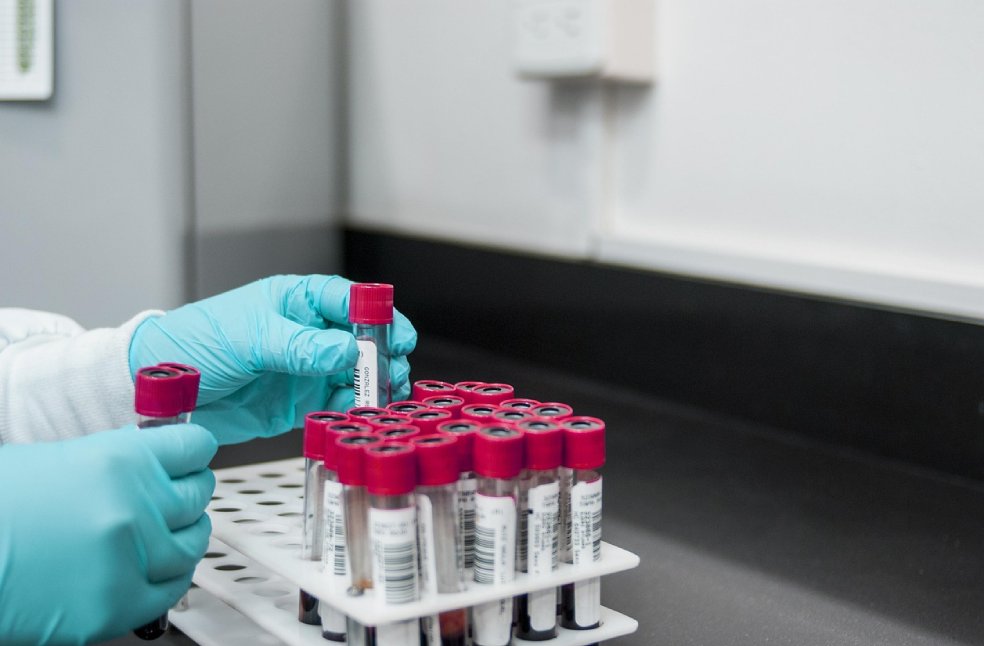
To generate these metabolic profiles, the UK Biobank has partnered with Nightingale Health to analyse sugars, amino acids, fats, hormone precursors and waste products including ammonia and urea. These molecules shift when organs are under strain, when the body uses energy differently or when tissues undergo repair, meaning they can reveal problems well before symptoms emerge.
Shifts in the metabolic profile can reflect a wide range of disorders. Damage to the liver may raise ammonia, while compromised kidneys can increase urea and creatine. Muscle damage may elevate lactate levels, and cancer can increase glucose uptake. Because metabolites respond to both genetic factors and environmental influences, they provide a more comprehensive picture than many common tests.
Dr Julian Mutz at King’s College London has said that metabolic profiles capture the combined effects of genetics, lifestyle, diet, stress and environmental exposure, offering a dynamic and holistic view of health. Mutz has noted that this makes metabolic testing particularly valuable for early disease detection.
While researchers have previously accessed limited metabolic data from smaller groups of participants, having profiles for all 500,000 volunteers enables the development of more reliable early detection tools across multiple disease areas. Scientists expect the dataset to accelerate progress in personalised testing based on quick and accessible pinprick blood assessments.
IMPORTANT | Japan coastal city hit by massive fire destroying 170 buildings
