


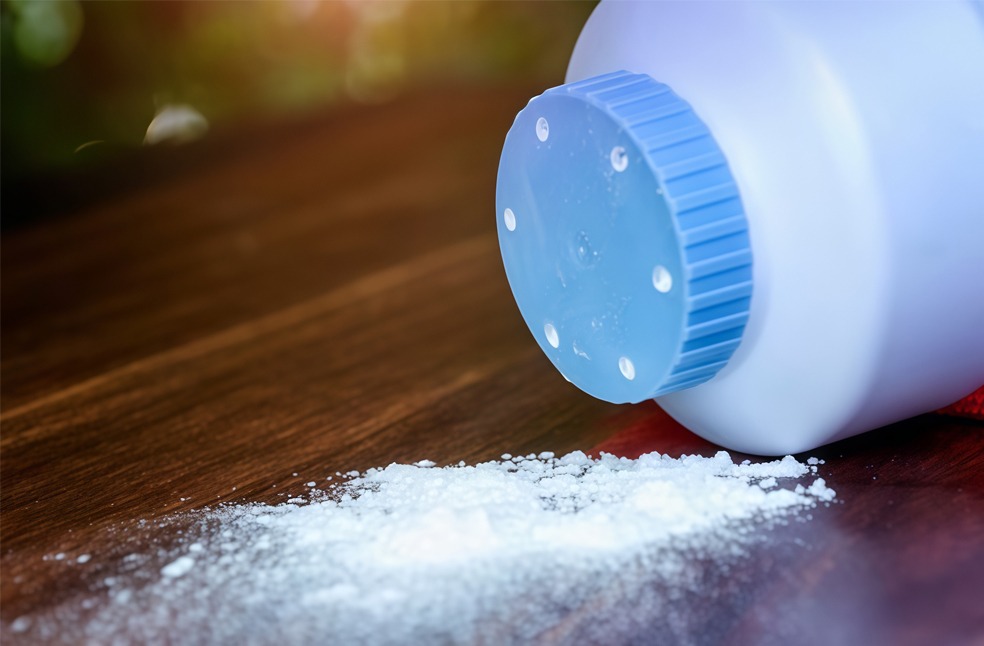
London: Johnson & Johnson (J&J) is facing a major legal battle in the UK, where more than 3,000 claimants have accused the global healthcare giant of knowingly selling talcum powder contaminated with asbestos for decades.
The claimants allege that they or their family members developed ovarian cancer or mesothelioma after using Johnson’s Baby Powder between 1965 and 2023.
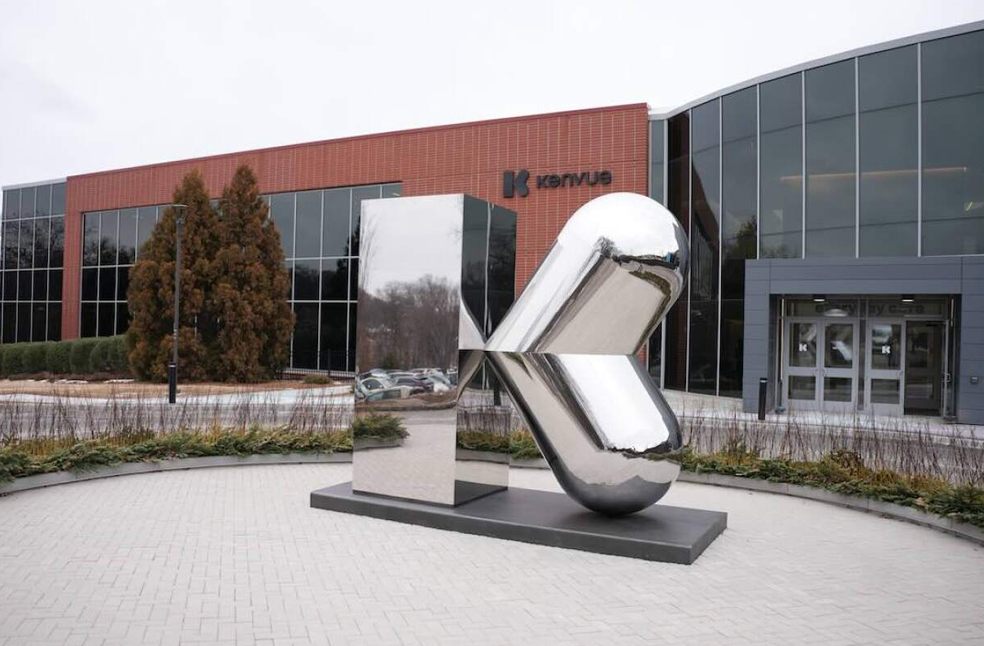
The collective lawsuit, filed by KP Law at the High Court in London, seeks damages against both Johnson & Johnson and Kenvue UK, a company that was spun off from J&J in 2023 and now operates as an independent business. The claim accuses the firms of concealing the risks associated with asbestos-contaminated talc and misleading consumers for years.
According to the legal filings, J&J’s baby powder was allegedly contaminated with carcinogenic fibres, including asbestos, which can cause severe diseases when inhaled or absorbed. The company is accused of suppressing information that suggested contamination, lobbying regulators to allow the product to remain on the market, and sponsoring research to downplay potential dangers to human health.
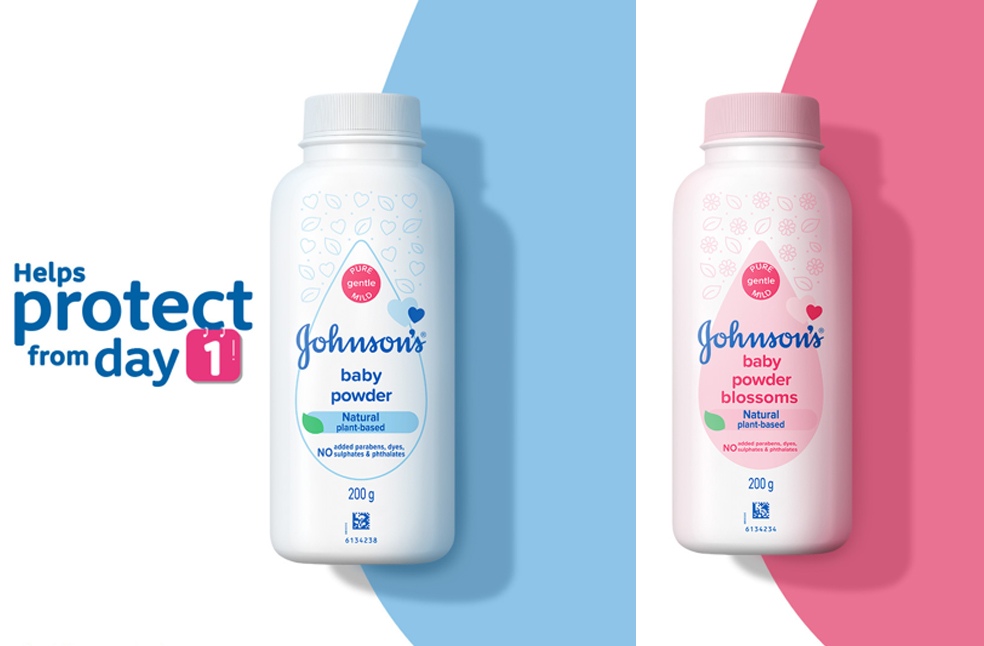
The claimants’ lawyer, Michael Rawlinson KC, stated in court documents that talc, a naturally occurring mineral, rarely exists in commercially mined deposits that are free from asbestos. Rawlinson argued that scientific reports, mining records, and J&J’s own internal research should have made the company aware of the contamination risk. Despite this, he alleges that J&J continued to promote its talc-based baby powder as safe and pure for decades.
Johnson & Johnson has long denied these allegations. The company stopped selling talc-based baby powder in the United States in 2020, and later ended global sales in 2023, replacing the product with a cornstarch-based alternative.
In response to the UK lawsuit, Kenvue, which now manages the baby product line, issued a statement, “The safety of Johnson’s baby powder is backed by years of testing by independent and leading laboratories, universities, and health authorities in the UK and around the world. The high-quality cosmetic-grade talc used in Johnson’s baby powder met all regulatory standards, did not contain asbestos, and does not cause cancer.”
This legal action in the UK comes as Johnson & Johnson faces tens of thousands of similar lawsuits in the United States, where plaintiffs claim they developed cancer from using the company’s talc-based products.
Just last week, a US court ordered Johnson & Johnson to pay $966 million (£720 million) to the family of a woman who died of mesothelioma, marking one of the largest verdicts ever issued against the company. However, the award could still be reduced on appeal.
Legal experts note that damages awarded by UK courts tend to be smaller compared to US rulings. Medical experts state that mesothelioma typically develops in the lungs when people inhale microscopic asbestos fibres.
Despite mounting lawsuits worldwide, Johnson & Johnson and Kenvue maintain their stance that Johnson’s Baby Powder has always been safe, supported by decades of independent testing and regulatory reviews across multiple countries.
The UK case could take several years to reach a verdict, but it marks one of the largest mass tort actions against a pharmaceutical company in British history, potentially setting a precedent for future claims involving consumer health and product safety.
MOST READ | OpenAI to ease ChatGPT rules; Allow adult content for users
