


Tokyo: Japan has reported a record number of inbound tourists for February, with government data showing that 3.46 million visitors entered the country during the month. The figure has marked a 6.4 percent increase compared to the same period last year, setting a new high for February arrivals.
According to the Japan National Tourism Organization (JNTO), the rise in visitor numbers has been partly supported by the timing of the Lunar New Year holiday, which fell in February this year instead of late January the previous year. The seasonal shift has contributed to higher travel activity across the country.
However, the data has also highlighted a sharp decline in arrivals from China. Visitor numbers from China have dropped by 45 percent to 396,400, reflecting ongoing diplomatic tensions between the two countries.
Despite this decline, tourism activity has remained strong due to increased arrivals from other regions. Domestic tourism and visitors from nearby markets have played a key role in offsetting the drop in Chinese travellers.
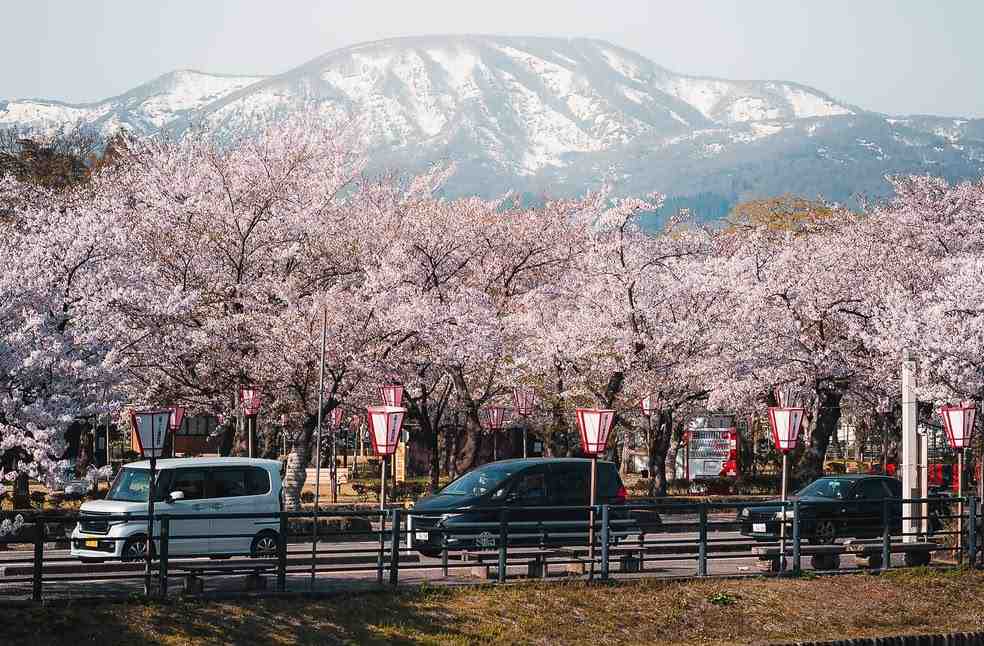
At the Kawazu Sakura Festival in eastern Japan, known for its early blooming cherry blossoms, the absence of Chinese tourists has been noticeable. However, the event has still attracted around 630,000 visitors, marking its highest attendance since 2022.

Local tourism officials have attributed this strong turnout to higher participation from domestic travellers as well as increased visitors from Taiwan. Arrivals from Taiwan have risen by 37 percent to 693,600 in February, while South Korea has remained the largest source of inbound tourists.
South Korean arrivals have grown significantly, rising by 28 percent to 1.08 million visitors, further supporting overall tourism growth in Japan.
The data has underscored a shift in travel patterns, with regional markets playing a larger role in sustaining tourism growth amid geopolitical challenges.
Tourism continues to be a vital sector for Japan, contributing significantly to the economy. Authorities have been focusing on attracting diverse visitor segments to reduce reliance on any single market.
The latest figures have highlighted the resilience of the country’s tourism industry, even as diplomatic tensions and changing travel patterns influence visitor flows.
TRENDING | Trump may push back China visit as war intensifies
