


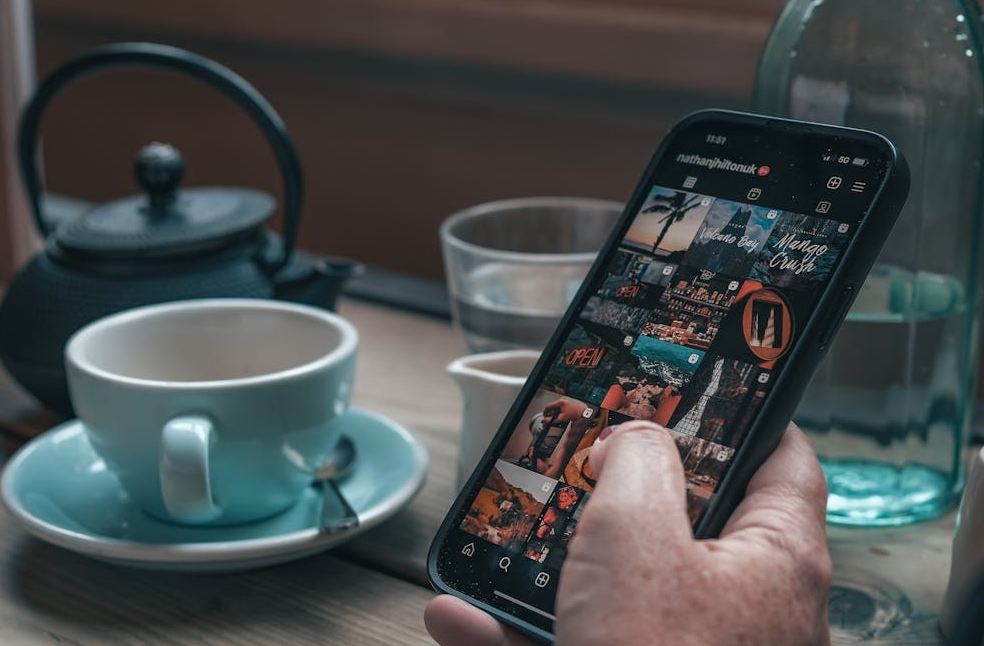
London: Instagram has been identified as one of the social media platforms associated with lower mental wellbeing, according to findings from the latest World Happiness Report.
The global study has examined how different types of social media platforms affect users, particularly young people. It has found that platforms driven by algorithms and passive scrolling, such as Instagram and TikTok, tend to have a more negative impact on mental health compared to apps focused on direct communication.
Researchers have highlighted that excessive use of social media is contributing to reduced happiness levels among young users worldwide. The impact has been more pronounced in English speaking countries and parts of western Europe, where overall happiness levels have declined.
The study, led by the Wellbeing Research Centre at the University of Oxford, has shown that both the type of platform and time spent online play a key role in determining outcomes. Messaging based platforms such as WhatsApp and Facebook have been linked to higher life satisfaction, as they promote interaction and real world connections.
In contrast, platforms like Instagram have been associated with increased exposure to influencer content and algorithm driven feeds, which can lead to comparison, anxiety and reduced wellbeing.
Research conducted across 17 countries in Latin America has found that frequent use of messaging platforms is linked to better life satisfaction. Meanwhile, heavy use of visually driven apps has been linked to mental health challenges.

A separate study in the Middle East and North Africa has also found that passive consumption of content, common on platforms like Instagram, may contribute to negative psychological effects.
Experts have suggested that moderate use of social media may be beneficial. Findings have indicated that using social media for around one hour a day is linked to higher life satisfaction compared to no usage at all.
Researchers have described this balance as important, noting that excessive usage, which averages around two and a half hours daily, may increase risks to mental wellbeing.
The findings have gained attention as governments consider stricter regulations. In Australia, authorities have introduced a ban on social media access for users under 16, although messaging platforms have been excluded.
The report has also highlighted broader trends in global happiness. Finland has remained the happiest country for the ninth consecutive year, while countries such as the UK and the US have seen lower rankings.
Researchers have emphasised that while Instagram and similar platforms play a role, other factors such as economic pressures, job uncertainty and future concerns also influence youth wellbeing.
WE RECOMMEND | Instagram to end encrypted DMs from May 2026 update
