


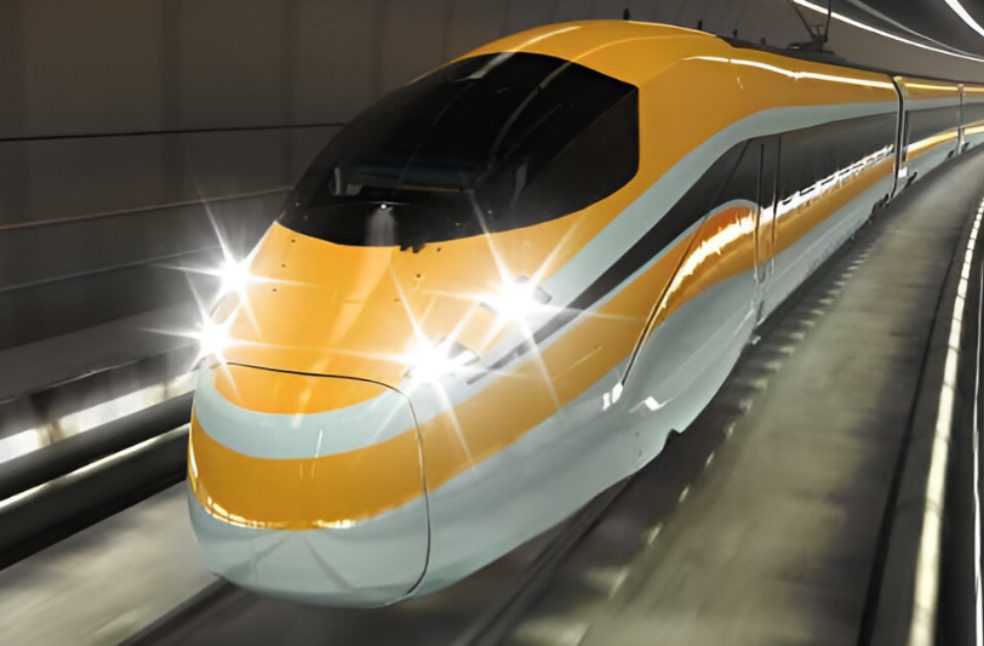
Sydney: Australians could pay about $31 for a 60-minute high-speed rail journey between Newcastle and central Sydney under a landmark rail proposal expected to begin operations from 2039, according to a newly released government business case.
The report, prepared by the High Speed Rail Authority, estimates the initial Newcastle–Sydney line would cost taxpayers $61.2 billion. A second phase extending the route to Parramatta and Western Sydney International Airport would require an additional $32.4 billion and could open by 2043.
The Australian Government said the total price tag of more than $93 billion includes stations, signalling systems and a domestic advanced manufacturing facility to produce rail components. The business case itself cost over $70 million, with a further $230 million pledged for planning to make the project ‘shovel ready’ within two years, pending final investment approval.
Infrastructure Minister Catherine King said the project would deliver a $250 billion economic boost over 50 years, generate more than 99,000 jobs and unlock about 160,000 homes along the rail corridor.
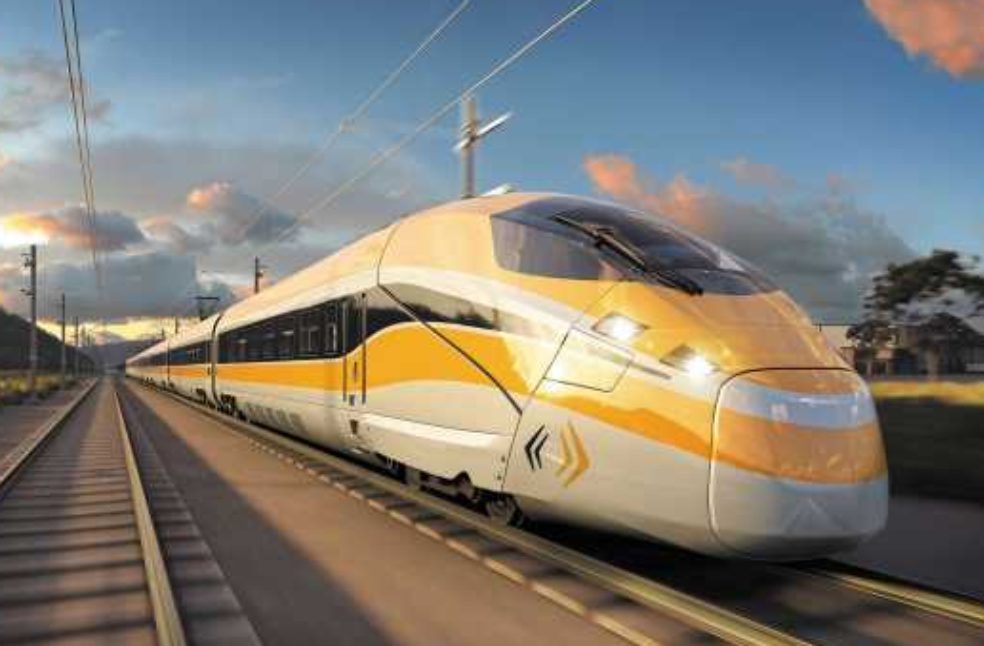
Travel times between Newcastle and Sydney would be cut from more than two hours and 40 minutes to around one hour, while trips between the Central Coast and central Sydney could take just 30 minutes. The existing rail line, originally designed for steam trains, has changed little since its completion in 1899.
High-speed rail has featured in Australian federal election campaigns for decades. The business case estimates that upto 16 million passengers could use the line annually soon after the full corridor opens, with daily trips reaching about 53,000 by 2041. The project is also expected to support the country’s net-zero emissions target by 2050 by reducing road transport use.
However, experts have warned about the scale and cost of the undertaking. David Levinson, professor of transport at the University of Sydney, described the project as ‘very expensive’ per kilometre, noting that about 115 kilometres of track would run through tunnels due to mountainous terrain.
David Levinson cautioned that timelines and budgets often assume ideal conditions, pointing to cost overruns in other major infrastructure projects involving extensive tunnelling. Opposition frontbencher Jonathon Duniam backed the concept but questioned affordability, saying large-scale infrastructure must be balanced against the nation’s ability to fund it.
The report found the project’s benefit-cost ratio ranges from 0.8 to 1.2, lower than many transport projects, though the government maintains it delivers long-term national value. If approved, the high-speed rail line would mark one of Australia’s largest infrastructure investments, aiming to transform intercity travel along the country’s busiest eastern corridor.
MOST READ | 15 killed as rescue helicopter crashes during floods in southern Peru
