


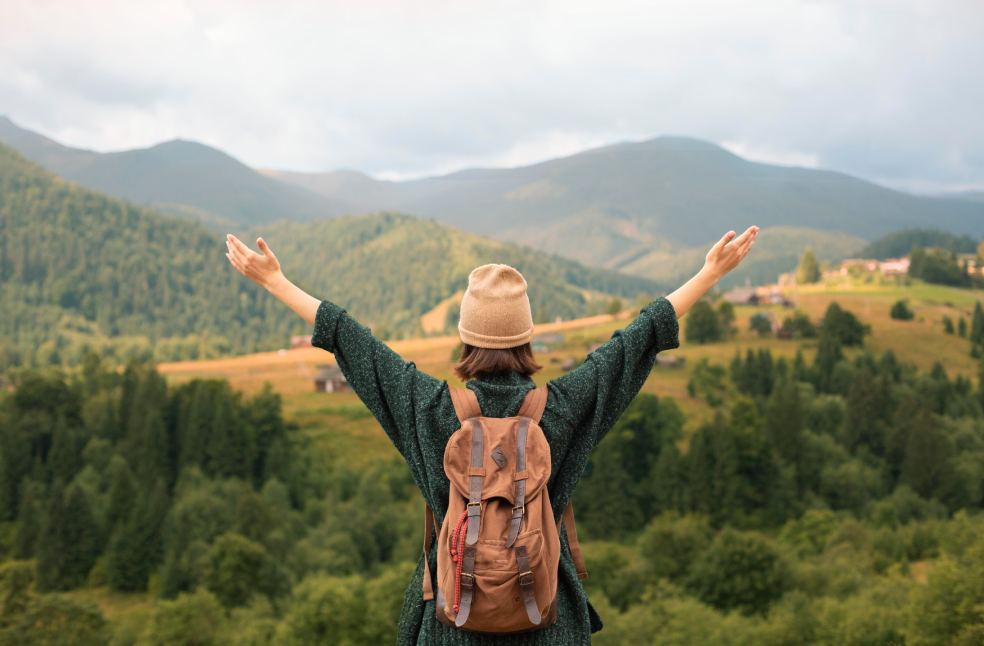
Travel looks different now than it did a few years ago. You notice it in airports, cafes, even on walking tours. More people are travelling alone. Not just students or backpackers, but people from all age groups. It has become normal.
Solo travel used to feel like a niche thing. Something for adventurous types or people on long gap years. That idea doesn’t really hold anymore. Today, someone might take a solo trip just to take a break. Others travel alone because their work allows it. Some people simply don’t want to wait for the right company.
A big reason this works is technology. Travelling alone used to mean figuring things out the hard way. Now, directions are on your phone. Payments are simple. Reviews tell you what to expect. If you get stuck, help is usually one search away. For many people, that makes the idea of going alone less stressful.
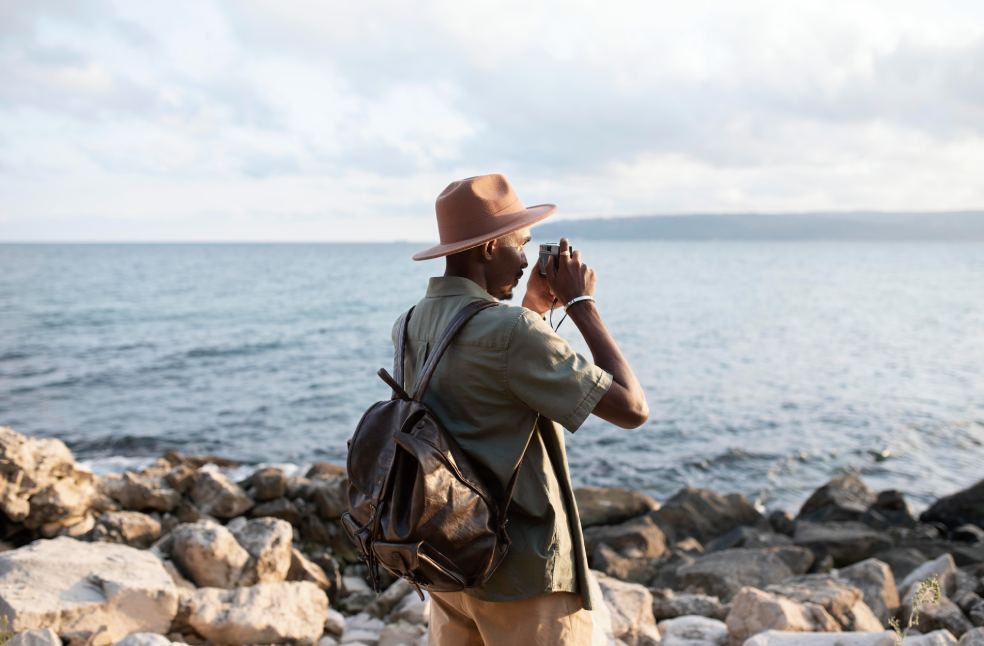
Safety is also part of the conversation. Many destinations feel easier to navigate now, especially for solo visitors. Transport systems are clearer. Streets are better lit. Accommodation options are more flexible. Hotels and hostels openly welcome solo guests instead of treating them as an exception.
There is also a shift in how people talk about travelling alone. It is no longer framed as lonely. In fact, many see it as practical or even refreshing. Solo travellers often say they like not having to adjust plans for others. They eat when they want. They walk without checking the time. That freedom matters more than people admit.
Remote work has also pushed this trend further. When work can be done from anywhere, travel doesn’t need to wait for annual leave or group plans. People move for a few weeks or months and keep working as they go. Travelling alone fits naturally into that lifestyle.
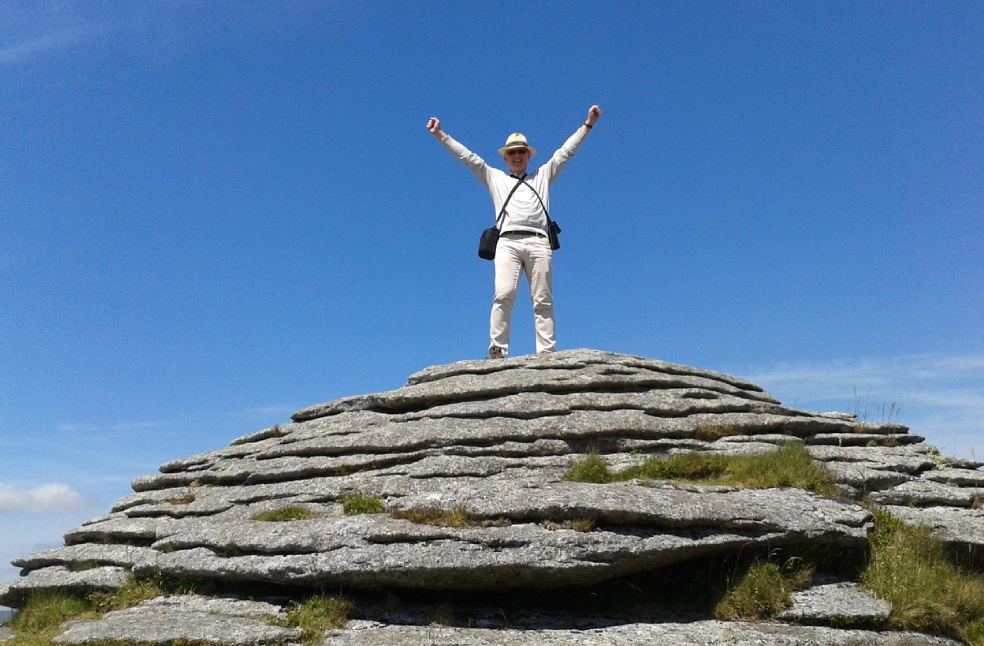
Being alone does not always mean being disconnected. Many solo travellers say they talk to more people when they travel this way. Shared accommodation, group activities, or even casual conversations happen more easily when you are on your own. You are more approachable, and you notice people more.
The rise in solo travel reflects a bigger change. People are more protective of their time. They are more comfortable making individual choices. Travel has become less about tradition and more about personal rhythm.
This shift is unlikely to reverse anytime soon. For many, travelling alone is no longer a statement or a challenge. It is simply the easiest and most comfortable way to go.
IMPORTANT | Uganda pushes back against claims of election-time internet ban
