


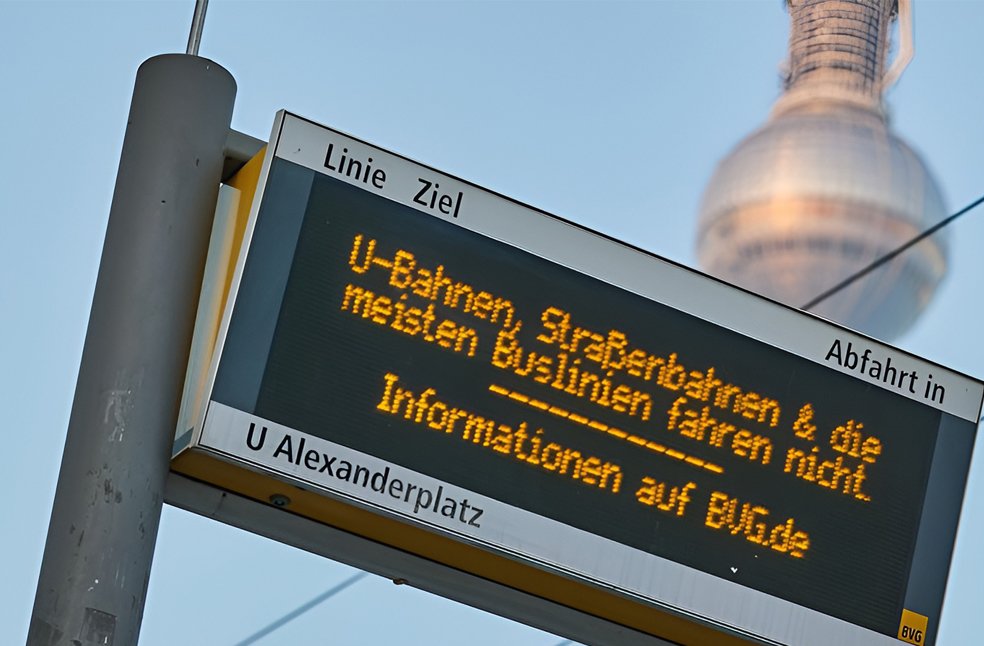
Berlin: Commuters across Germany faced freezing temperatures on February 2 as Verdi led a nationwide strike by tens of thousands of public transport workers, shutting bus and tram services in most cities.
The trade union represents nearly 100,000 transport employees and followed stalled negotiations with municipal and state employers over working conditions last week.
Verdi is demanding shorter shifts, longer rest breaks, and higher pay for night and weekend work, despite budget constraints faced by cities. The strike affects approximately 150 municipal transport companies across all but one of Germany’s 16 federal states, including major cities such as Berlin, Hamburg, and Bremen.
According to Serat Canyurt, Verdi’s lead negotiator, this is one of the largest coordinated strikes in the local transport sector in years. Canyurt added that public transport operators are now expected to return to the negotiating table.
In Stuttgart, Karlsruhe, and Freiburg, union officials said that the services would be suspended for the entire day. The freezing temperatures, falling below zero across much of the country, made commuting even more difficult for people seeking alternative transport.
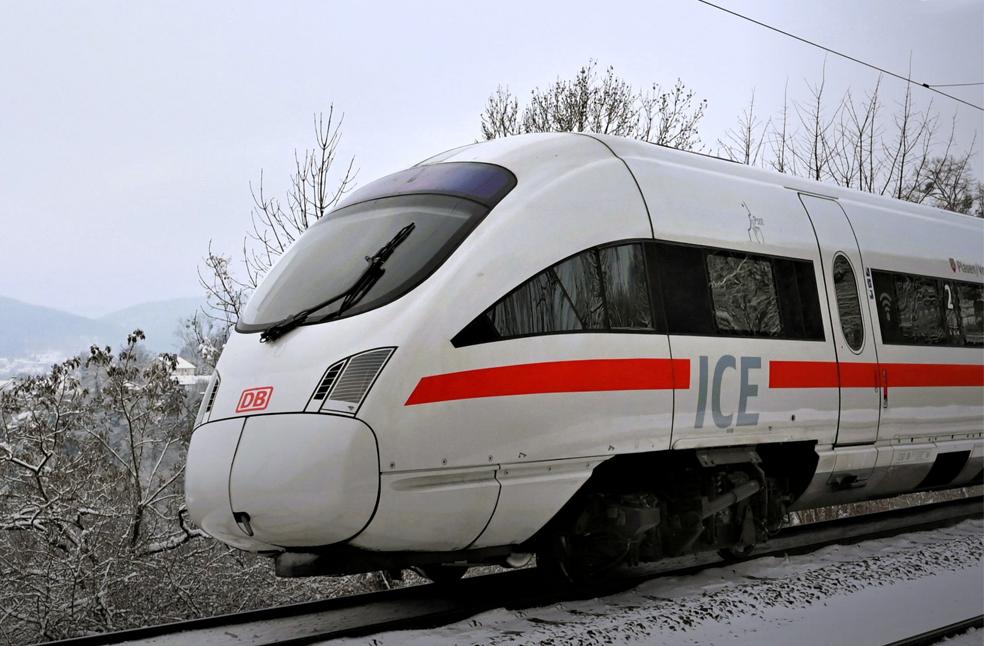
Despite the strike, Deutsche Bahn announced that its urban S-Bahn trains in Berlin, Hamburg, Munich, and Stuttgart, as well as long-distance services, would run normally, as these staff members are not represented by Verdi.
Talks between Verdi and employer associations have been tense, with union leaders accusing municipalities of attempting to cut benefits and lengthen shifts. In Berlin, Verdi negotiators claimed that operators sought to have workers fund improvements themselves by giving up sick pay and flexible working hours.
The next round of negotiations is scheduled for February 9. Union leaders warned that if employers do not offer significant concessions, further industrial action could follow, prolonging disruption for commuters.
MOST READ | Study finds 15% of online food businesses are dark kitchens
