


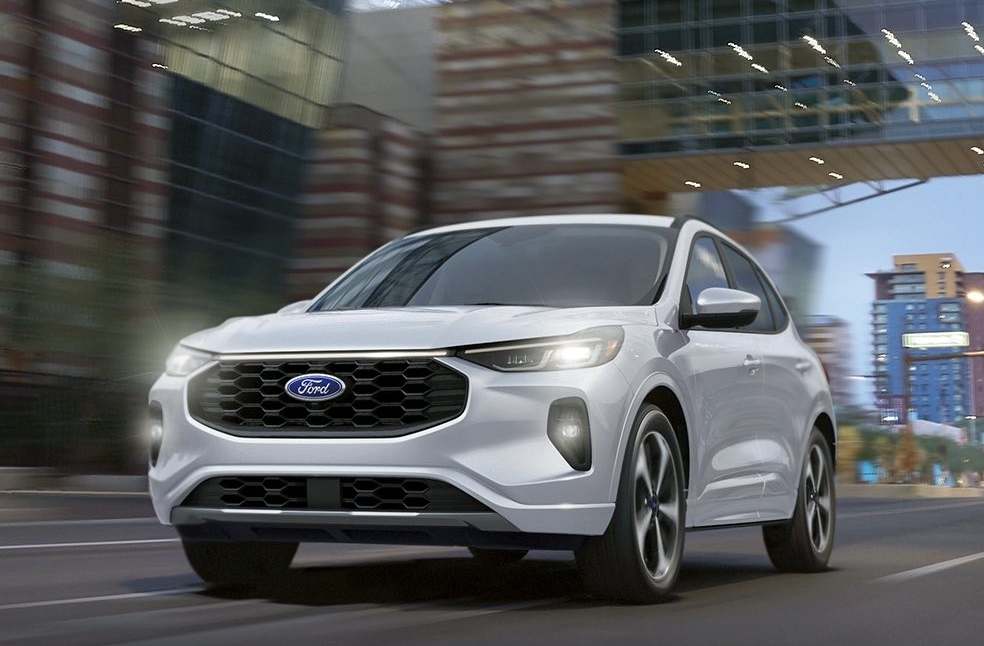
Michigan: Ford Motor has announced that the company is retreating from plans to produce large electric vehicles, arguing that the business case for such models has weakened significantly.
According to the company, demand for large EVs has fallen short of expectations, while production costs remain high and regulatory support has eased.
Chief executive Jim Farley described the move as a ‘customer-driven shift’ aimed at building a stronger and more profitable business. Jim Farley said Ford will redeploy capital into areas offering higher returns, including trucks, vans, hybrid vehicles and energy storage.
As part of the overhaul, Ford will no longer produce a fully electric version of its popular F-150 pickup truck. Instead, the F-150 Lightning will be redesigned as a hybrid model equipped with a gas-powered generator. The company also confirmed that it will cancel plans for a new electric van, opting instead to focus on gas and hybrid alternatives.
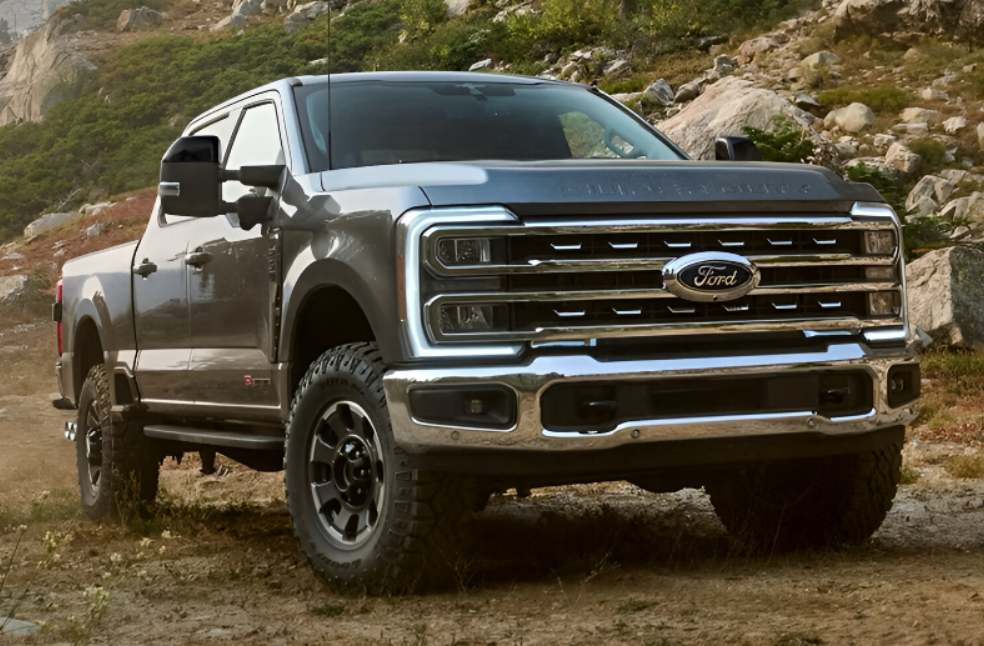
The automaker expects a $19.5 billion profit impact from the move, as the Trump administration rolls back fuel economy standards. The strategic change comes as the Trump administration rolls back fuel economy rules and incentives that previously supported EV adoption.
A federal tax credit of up to $7,500 for certain electric and plug-in hybrid vehicles ended in September, slowing momentum in the sector. Earlier this month, Trump also announced plans to loosen fuel economy standards introduced under the Biden administration.
Ford’s decision follows a similar move by General Motors, which in October said it would take a $1.6 billion charge as it scaled back its own EV ambitions. Analysts note that EV adoption in the US continues to lag behind markets such as China and Europe, where government support has been stronger.
The shift in US policy coincides with signs that the European Union may soften its proposed ban on new combustion engine cars from 2035, following pressure from countries including Germany, concerned about competition from Chinese automakers.
MOST READ | Shooting leaves 2 students dead at Brown University
