


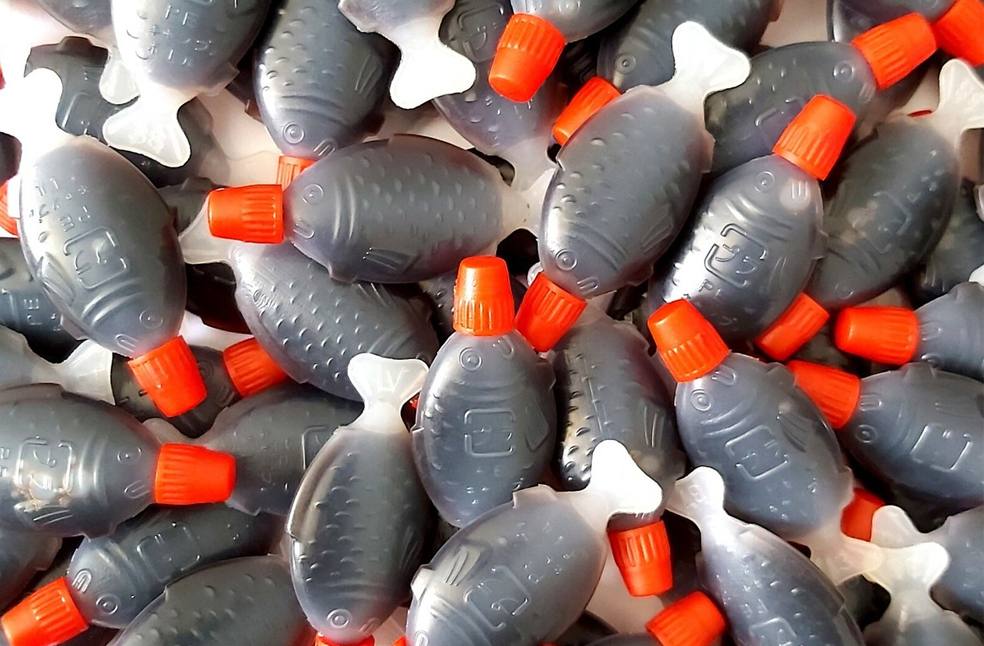
Adelaide: Fish-shaped soy sauce dispensers, a familiar sight at sushi takeaway shops worldwide for decades, are facing a ban in South Australia, making it the first place in the world to implement such a restriction. The move is part of a wider single-use plastic ban coming into force on 1 September 2025.
The device, known as shoyu-tai or ‘soy-sauce snapper’ in Japanese, was invented in 1954 by Teruo Watanabe, founder of Osaka-based company Asahi Sogyo, according to reports.
Originally, glass and ceramic containers were common, but the rise of cheap industrial plastics allowed the creation of small polyethylene fish-shaped dispensers, officially called the ‘Lunch Charm.’ The invention quickly spread across Japan and globally, with billions produced over the years.
Under South Australia’s new law, pre-filled fish-shaped soy sauce dispensers with a lid, cap, or stopper containing less than 30ml of soy sauce will be banned. Plastic sachets will still be allowed, but the government encourages sushi shops to adopt bulk bottles or dispensers instead.

Environment Minister Dr. Susan Close explained that each plastic fish is used for only seconds, but their small size makes them easily dropped, blown away, or washed into drains, contributing to beach and street litter. Dr. Close added that these ‘convenience packaging’ items can be replaced with bulk or refillable solutions, directly reducing single-use plastic waste.
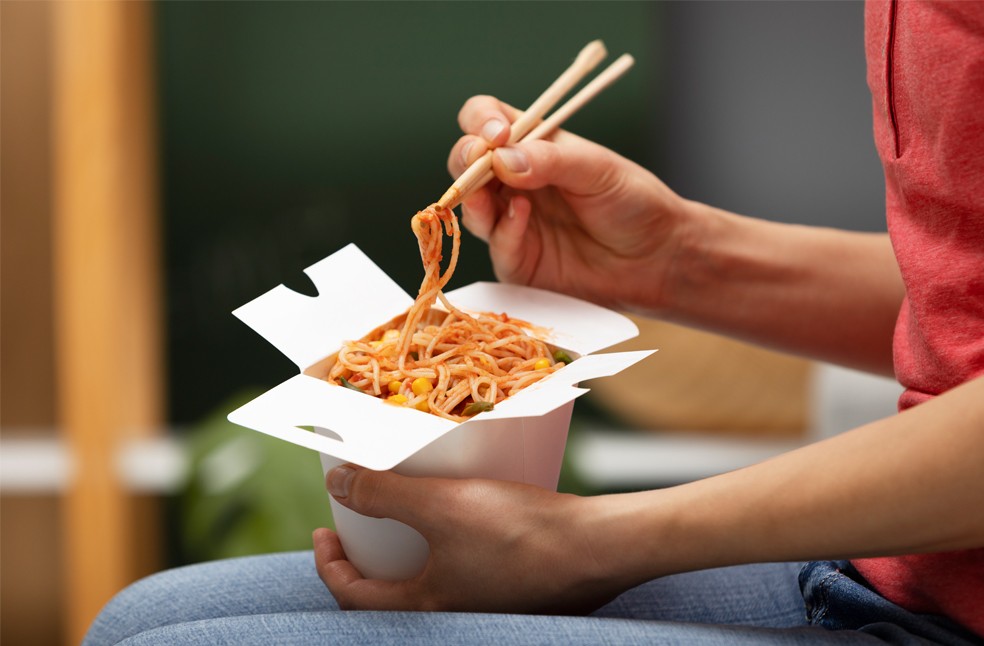
Other items included in the ban are plastic cutlery and expanded polystyrene food packaging, such as pre-packed instant noodle bowls.
Marine ecologist Dr. Nina Wootton from the University of Adelaide said that plastic sushi fish are particularly harmful as marine life may mistake them for food. The Ecologist explained that if they haven’t yet broken down into microplastics, larger organisms could ingest them, thinking they are fish. Dr. Wootton added that, “Since they are quite a thick plastic, it does take quite a while for them to degrade.”
Cip Hamilton, a campaign manager at the Australian Marine Conservation Society, remarked that banning single-use plastics was a good start, but more needed to be done.
“Bans like these are an important small step towards reducing plastic pollution, but it’s important that governments start to look at reducing and removing problematic plastics across the whole system,” Hamilton said.
The Campaign Manager added that, “What our oceans really need is for state and federal governments to introduce strong laws that reduce plastic production and consumption and hold businesses accountable for the products they place on shelves, otherwise Australia’s marine life and coastlines will continue to suffer under mountains of plastic pollution.”
MOST READ | Broken Heart Syndrome: Therapy and exercise aid heart recovery
