


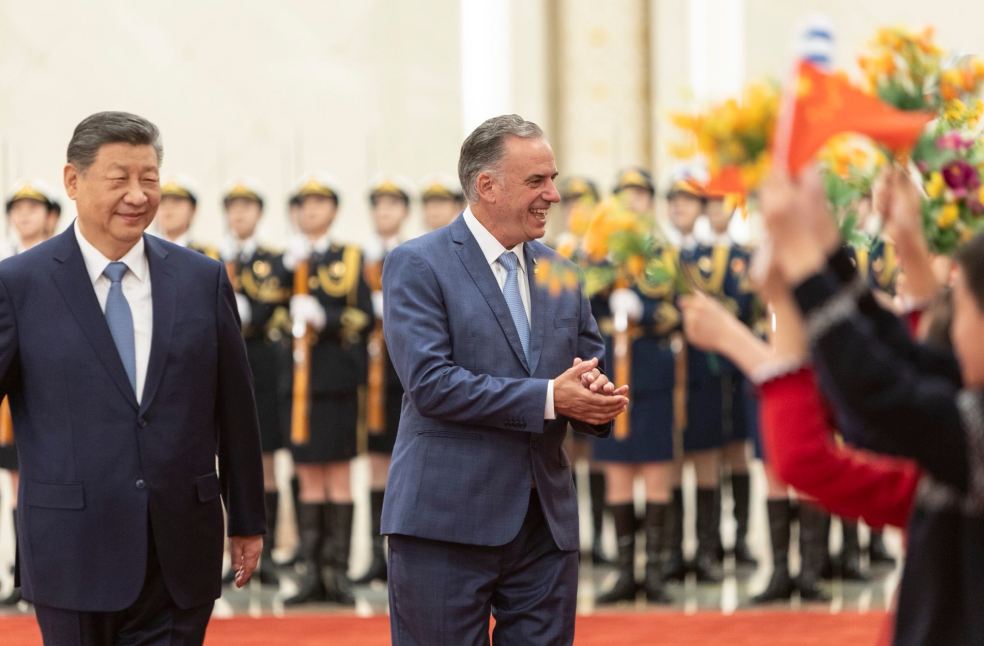
Beijing: China and Uruguay have agreed to deepen their comprehensive strategic partnership, signing a series of cooperation agreements during high-level talks in Beijing, even as the United States pushes to curb Chinese influence in Latin America.
The agreements were signed, following a meeting between Uruguayan President Yamandú Orsi and Chinese President Xi Jinping, covering areas including science, technology and trade. The move signals Montevideo’s intent to expand its engagement with Beijing despite warnings from US President Donald Trump, who has sought to reassert Washington’s dominance in the Western Hemisphere.
In a social media post after the meeting, Orsi said Uruguay was pursuing an active international engagement, strengthening long-term ties, and creating new opportunities for the country’s development.
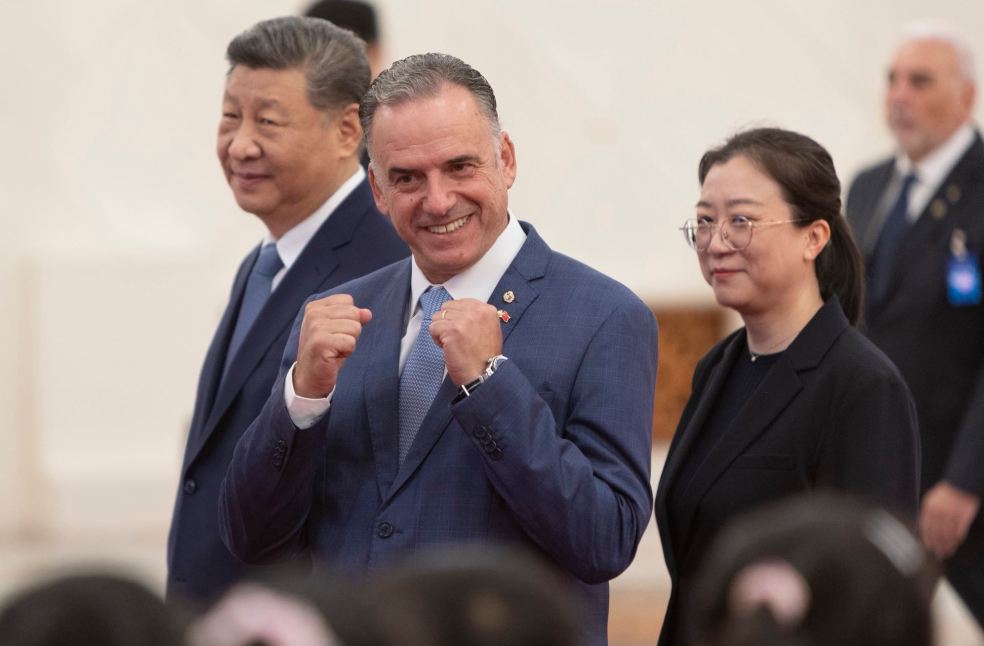
According to a Chinese government readout, Xi emphasised the importance of promoting a multipolar world and inclusive economic globalisation, calling for closer cooperation to achieve common development as both countries deepen their partnership.
Orsi’s seven-day visit to China began and will also take him to Shanghai. Orsi is accompanied by a 150-member delegation that includes senior government officials and business leaders, underlining the economic focus of the trip.
The visit is being closely watched internationally, as Orsi is the first Latin American leader to travel to China since US special forces abducted Venezuelan President Nicolás Maduro in a night raid on Caracas in early January. While Orsi initially criticised the use of military intervention, Nicolás Maduro later described Maduro’s removal as good news if it led to the end of authoritarian rule and the emergence of democracy, according to local media.
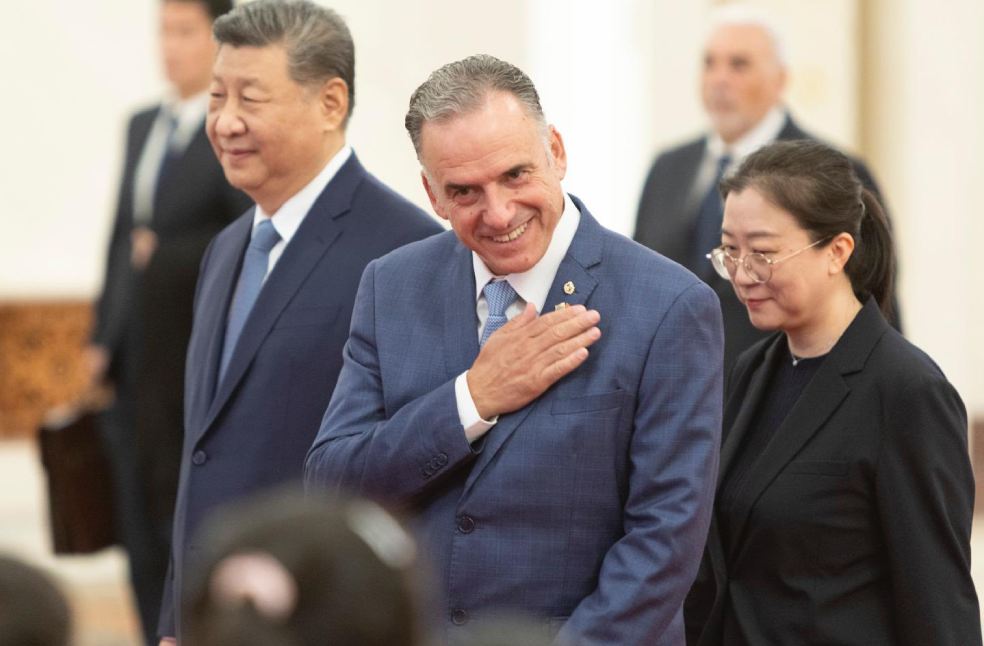
Despite those remarks, Orsi’s engagement with China risks irritating Washington. The Trump administration has made clear its intention to keep Latin America free of hostile foreign incursion, a phrase widely seen as referring to China, in the White House’s November 2025 National Security Strategy.
China is Uruguay’s largest export market, particularly for beef, soya beans and dairy products. Exports to China were valued at $3.49 billion last year, according to figures shared on Orsi’s Facebook account, while Uruguay imported $2.8 billion worth of goods from China during the same period.
Orsi is not alone in maintaining close contacts with Beijing despite potential friction with Washington. His visit follows recent trips to China by leaders including UK Prime Minister Keir Starmer, Canadian Prime Minister Mark Carney, Finnish Prime Minister Petteri Orpo, and French President Emmanuel Macron.
Yang noted that this diplomatic trend does not indicate a wholesale shift away from the United States. As geopolitical competition between Washington and Beijing intensifies, Uruguay’s outreach highlights how smaller nations are seeking to balance strategic interests while maximising economic opportunities on the global stage.
TOP PICKS | Gold and silver slide sharply after record rally reverses
