



Vienna: The proposed social media ban in Austria has emerged after discussions within the country’s coalition government, aiming to limit children’s exposure to potentially harmful online content. Authorities have argued that stricter rules are needed to protect young users from addictive algorithms and negative mental health effects.
Vice-Chancellor Andreas Babler has stated that social media platforms can make children addicted and unwell, stressing that governments have a responsibility to act. Babler has compared the regulation of social media to existing controls on alcohol and tobacco, calling for clear rules in the digital environment.
Under the proposal, children below 14 would be restricted from accessing social media platforms, particularly those driven by algorithms that encourage prolonged engagement. The government has also indicated that measures will be introduced to shield young users from harmful content and ensure safer online experiences.
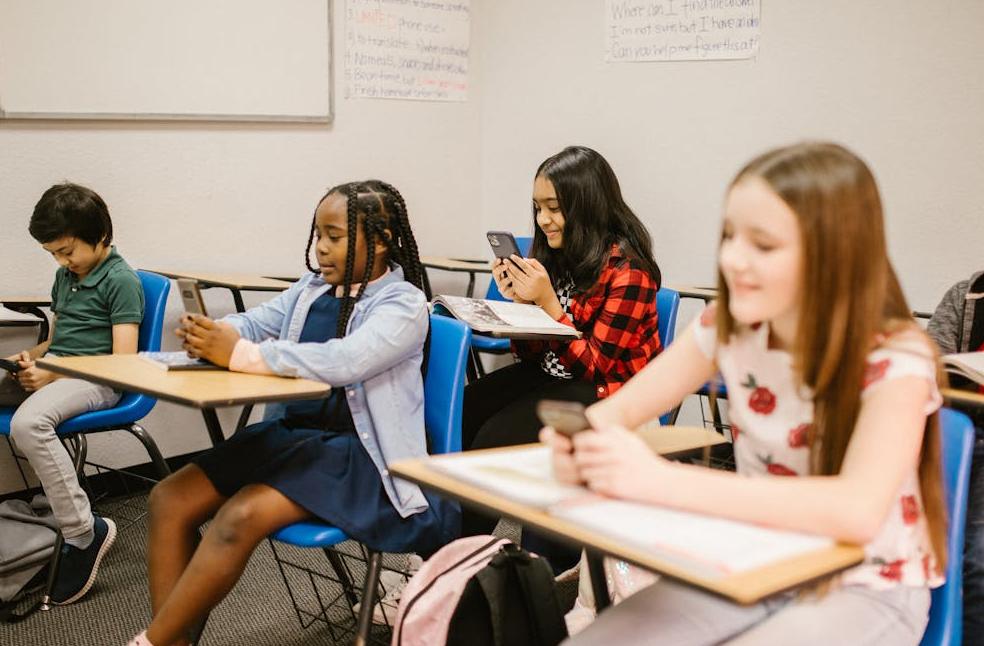
The plan has placed Austria among a growing number of countries considering similar restrictions. Australia has already introduced a ban for users under 16, while France has approved measures targeting under-15s. Other European nations, including the United Kingdom, Denmark, Greece, Spain and Ireland, have also been exploring comparable policies.
Officials have said that a draft law outlining the social media ban will be presented by the end of June. The legislation is expected to include mechanisms for verifying users’ ages, potentially through an EU-wide system or a national alternative if necessary.
While the proposal has received support from some groups, it has also faced criticism from opposition figures who argue that it could limit freedom of expression and access to information. Despite this, analysts have suggested that the policy remains popular among parents, reflecting increasing concern about the impact of social media on children’s wellbeing.
TRENDING | Olympic women’s sport to limit entry to biological females
